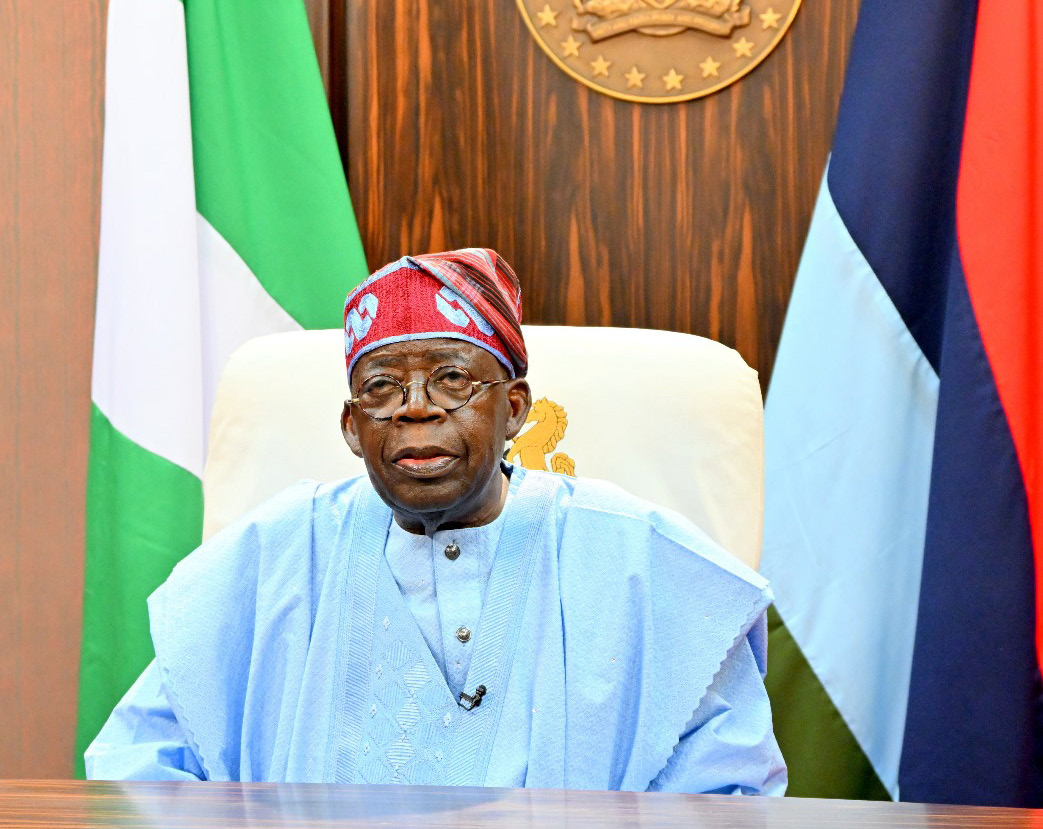
President Bola Tinubu has reiterated that Nigeria’s new tax laws will come into force on 1 January 2026, dismissing suggestions of any reversal or postponement. Speaking on 30 December 2025, the President said the fiscal reforms would proceed as scheduled and form a foundational platform for long-term economic growth.
Nigeria tax reform set to start on 1 January
Tinubu noted that a tranche of reforms first enacted on 26 June 2025 will be complemented by additional measures at the start of the new year. He described the package as a once-in-a-generation opportunity to build a fair, competitive and robust fiscal framework, stressing that the intention is a structural reset rather than a simple increase in tax burdens.
“The tax laws are not designed to raise taxes,” the President said, adding that the reforms aim to support harmonisation, protect dignity and strengthen the social contract between government and citizens. He urged Nigerians and stakeholders to judge the measures by their long-term benefits rather than short-term concerns.

Addressing public anxieties over particular provisions, Tinubu said no material issues had been identified that would warrant disrupting the reform agenda. “Absolute trust is built over time through making the right decisions, not through premature and reactive measures,” he said, underlining his administration’s determination to see the programme through.
The President also signalled that the Presidency would work closely with the National Assembly to resolve any administrative or operational issues that might emerge during implementation. That collaborative approach, he suggested, would ensure smoother delivery and help mitigate unintended consequences as the laws are rolled out.
The tax reform package follows recommendations from the Taiwo Oyedele-led Presidential Fiscal Policy and Tax Reforms Committee. According to official reports, the January 1 start date marks the final phase of those recommendations and concludes a multi-stage process of fiscal reshaping that government officials have described as necessary to restore investor confidence and broaden the tax base.
Analysts note that the success of the reforms will depend on clear communication, administrative capacity and targeted measures to protect vulnerable households while incentivising compliance. If effectively implemented, supporters argue, the reforms could increase revenue predictability and provide funds for essential public services, infrastructure and human capital development.
Civil society groups and business leaders have called for continued consultation during the rollout to address practical concerns such as taxpayer education, compliance timelines and the administrative readiness of tax authorities. The Presidency’s pledge to engage the legislature is intended to reassure these stakeholders and to create mechanisms for rapid problem-solving.
As the countdown to 1 January proceeds, the government faces the immediate task of finalising guidance, updating administrative systems and ensuring taxpayers understand their obligations under the new regime. With the implementation date confirmed, attention will shift from policy debate to delivery, and the coming months will be critical in determining whether the reforms translate into sustainable fiscal improvements.
For now, the administration is asking citizens to exercise patience and measured judgement as the changes take effect, arguing that the reforms are designed to deliver a more equitable and efficient tax system capable of supporting Nigeria’s development aspirations.
Key Takeaways:
- Nigeria tax reform will take full effect on 1 January 2026, with no reversal or delay.
- President Tinubu says the changes aim for a structural reset rather than higher tax rates and seek fiscal harmonisation.
- The reforms began on 26 June 2025 and represent the final phase of recommendations by the Presidential Fiscal Policy and Tax Reforms Committee.
- The Presidency will work with the National Assembly to resolve administrative issues during rollout and urges stakeholder support.