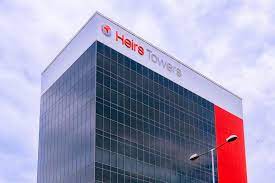
Heirs Energies Limited has completed the purchase of a 20.07% equity stake in Seplat Energy Plc previously held by Maurel & Prom S.A., the companies announced on 31 December. The transaction covers 120.4 million ordinary shares at a price of 3.05 pence per share and is valued at approximately US$500 million.
Heirs Energies acquires Seplat stake
The acquisition marks a major step in the expansion of indigenous ownership in Nigeria’s oil and gas sector. Heirs Energies, an indigenous integrated energy company chaired by Tony Elumelu, said the deal aligns with its long-term strategy to deepen local participation in strategic energy assets and to accelerate sustainable energy development and energy security across Nigeria and the wider continent.
Commenting on the purchase, Mr Elumelu said the transaction reflected confidence in Africa’s capacity to own, develop and responsibly manage its resources. He described the move as a long-term investment in Nigeria’s and Africa’s energy future that will support energy security, industrialisation and shared prosperity. He also praised Seplat’s governance and long-term prospects, and said Heirs Energies would support the company’s continued growth and value creation for stakeholders.

The deal received financial backing from two African institutions, the African Export-Import Bank (Afreximbank) and the African Finance Corporation (AFC). Their participation highlights the continent’s growing ability to finance major cross-border and domestic transactions without reliance on non-African lenders.
Operational scale and strategic fit
Heirs Energies operates OML 17 in the Niger Delta and reports production of more than 50,000 barrels of oil per day and around 120 million cubic feet of gas per day. The company has stated reserves exceeding 1.5 billion barrels of oil and 2.5 trillion cubic feet of gas. Since listing in 2021, Heirs Energies has been recognised for revitalising brownfield assets, improving onshore operations and supplying gas to power plants that generate over 400 megawatts of electricity nationwide.
Seplat Energy, listed on both the Nigerian Exchange and the London Stock Exchange, reported 2P reserves of 1.043 billion barrels of oil equivalent as of 31 December 2024 and a working interest production of 135.6 thousand barrels of oil equivalent per day as of 31 October 2025. The combined asset base and operational capabilities of both firms suggest potential for enhanced cooperative development and optimisation of resources.
Implications for Nigeria and Africa
Analysts said the transaction reinforces a broader trend of local investors taking controlling roles in national strategic sectors. By consolidating a significant stake in Seplat, Heirs Energies positions itself to influence decisions on production, gas-to-power supply and the pace of energy transition initiatives within Nigeria.
Financing by Afreximbank and AFC is likely to encourage further Africa-led financing structures for large-scale deals. The deal may also serve as a template for future transactions that combine private African capital with pan-African development finance to retain value on the continent.
While the acquisition is primarily a commercial move, its wider significance will be judged by how effectively Heirs Energies integrates Seplat’s assets into its operations and how it balances immediate production objectives with commitments to sustainable energy development.
Investors and industry observers will watch Seplat’s corporate governance updates, production guidance and any strategic partnerships that follow the change in shareholding. For now, the deal is a clear example of increased indigenous participation in Africa’s strategic energy sector.
Key Takeaways:
- Heirs Energies acquires 20.07% stake in Seplat Energy, buying 120.4 million shares for about US$500 million.
- Transaction financed by Afreximbank and AFC, underlining Africa-led financing for major deals.
- Heirs Energies will bolster indigenous control of strategic energy assets and support Nigeria’s energy security.
- Heirs Energies acquires Seplat stake as part of a long-term strategy to deepen local participation and accelerate sustainable development.