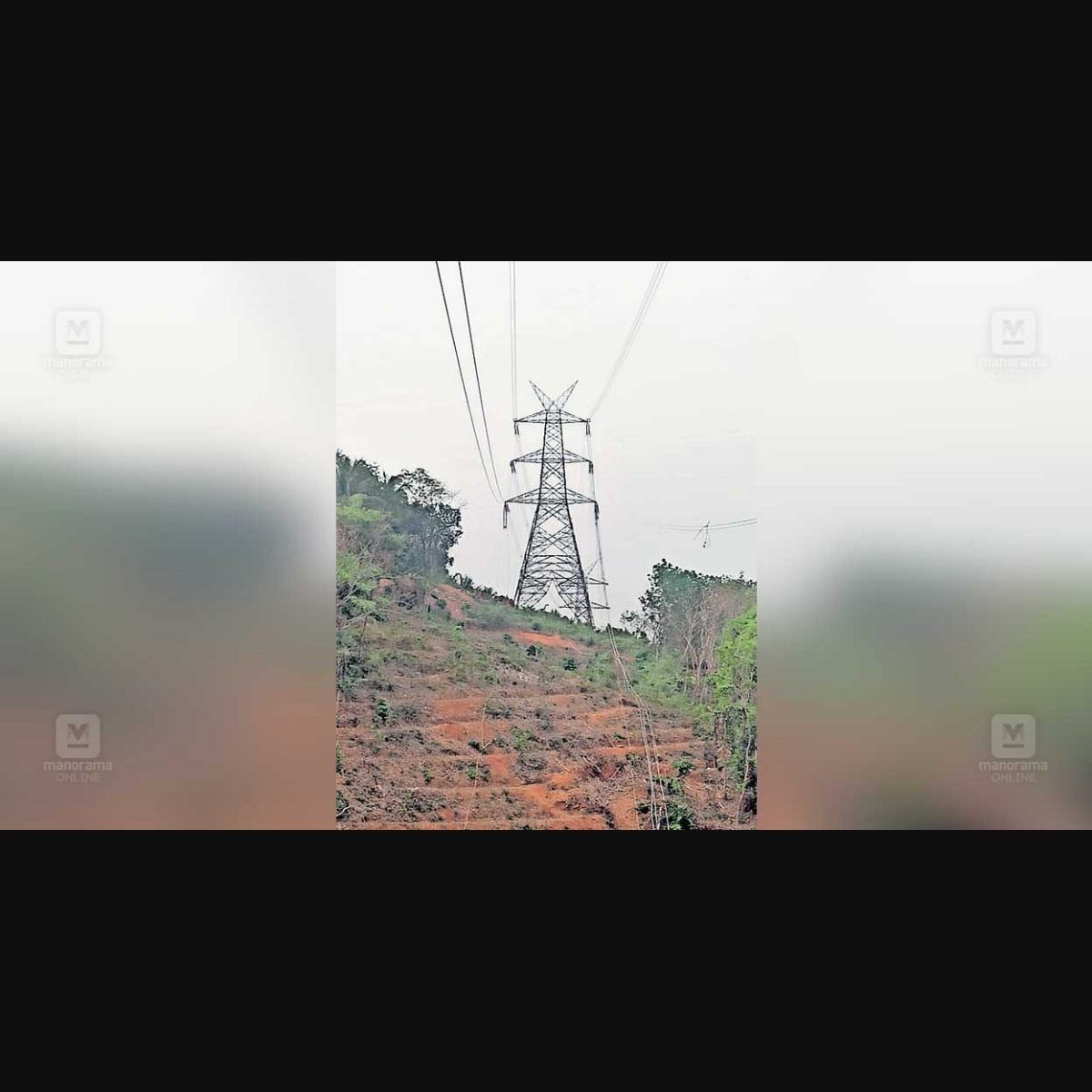
The central cabinet has approved the compensation package for the Udupi Karinthalam 400 kV power highway, paving the way for faster land acquisition and progress on a line that will carry electricity from Udupi in Karnataka to Kasaragod in Kerala. Officials say the decision should remove a key obstacle to construction and accelerate completion of the transmission link.
Udupi Karinthalam power highway gains momentum
The project will be executed by a special purpose vehicle set up by Sterlite Power Transmission Limited, named Udupi Kasaragod Transmission Limited. The company will bear the construction cost and operate the line for 30 years, after which ownership will be transferred to the central government. The Kerala State Electricity Board will purchase the power transmitted over the line.
The Udupi–Karinthalam line will run for 115 kilometres, of which about 47 kilometres fall within Kasaragod district and the remainder in Karnataka. Tower erection in Kerala is complete, but work in Karnataka has lagged. Officials expect renewed momentum following approval of the compensation package. When combined with the 125-kilometre Karinthalam–Wayanad 400 kV line, the new links are forecast to raise Kerala’s import capacity by roughly 800 megawatts.

Agreement on compensation had been reached last year in a meeting held in Thiruvananthapuram on 22 January with Minister K. Krishnankutty and representatives of a farmers’ protection committee. Implementation was delayed by nearly a year while state authorities finalised the package and addressed objections from landowners. With the cabinet decision now in place, the execution company is responsible for disbursing the agreed payments to affected landowners.
Under the package, landowners who surrender land for tower foundations will receive compensation equal to 340 percent of the land’s fair market value. For parcels through which the line will pass, compensation is set at 60 percent of the fair value. The acquisition covers a 46-metre wide strip of land, which includes a 23-metre clear corridor plus buffer zones.
Compensation for structures under the line will be determined by the district collector in consultation with affected farmers. The Public Works Department’s maintenance building wing will fix the rates for such structures, and the collector will convene local meetings to reach agreement on house damages and relocation where relevant.
Trees within 30 metres of the line will be paid for at fixed rates. The package sets payments at ₹22,000 per coconut tree, ₹9,500 per rubber tree, and ₹15,000 per arecanut tree. Authorities say payments for trees along 14 kilometres of the alignment have already been completed, with approximately ₹20 crore disbursed so far.
Project proponents and local officials emphasise that timely compensation will reduce resistance from landowners and help avoid further delays. Completion of both the Udupi–Karinthalam and Karinthalam–Wayanad lines is expected to strengthen the regional grid, improve supply reliability, and provide Kerala with greater capacity to import electricity during peak demand.
Construction progress in Karnataka will determine the overall schedule. Government sources indicate coordination between state administrations and the operator is now under way to fast-track remaining permissions and clearances so the transmission corridor can be completed within the planned timeframe.
The approved compensation framework aims to balance project needs with protections for affected farmers and residents, while enabling a strategic transmission link that supports southern India’s power network and economic activity.
Key Takeaways:
- Central cabinet approves compensation package for the Udupi Karinthalam power highway, clearing a major hurdle for construction.
- Operator Sterlite Power’s SPV will fund construction; Kerala State Electricity Board will buy the power and the project will be handed to the central government after 30 years.
- Compensation includes 340% of land fair value for tower sites, 60% for land under the line, and fixed rates for trees such as coconut and rubber.
- The project, together with the Karinthalam–Wayanad line, will increase Kerala’s import capacity by about 800 MW.