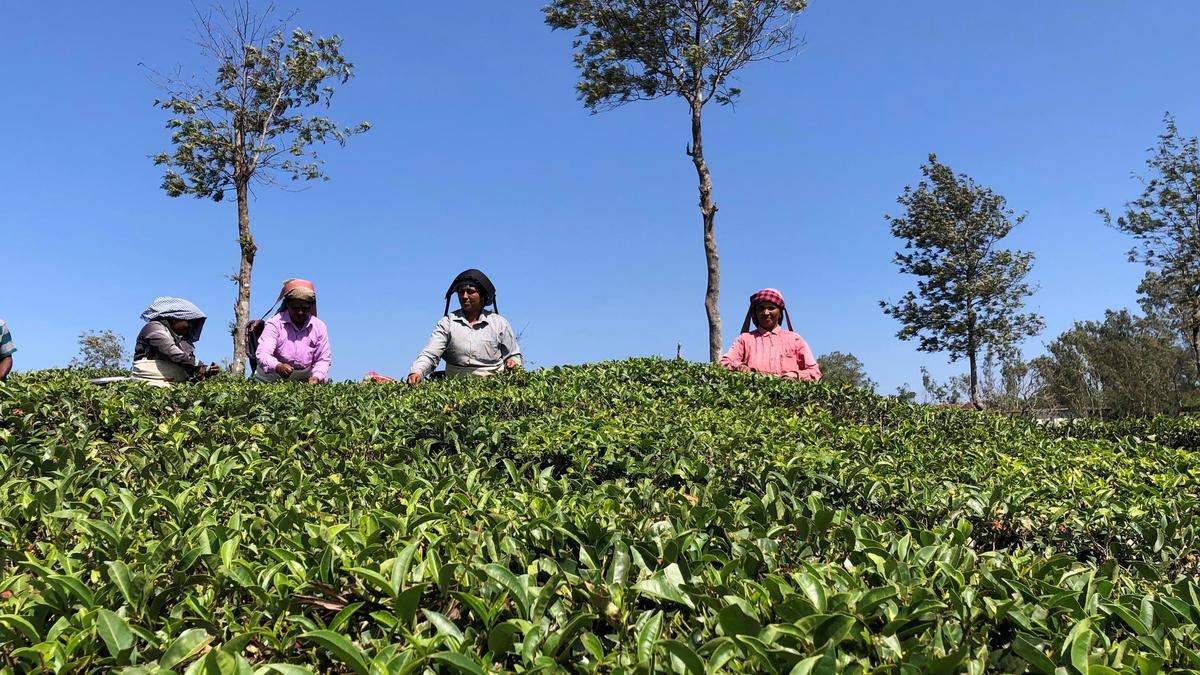
Tea prices at the Cochin auctions rose sharply in the final sale of the year after reports of frost and crop loss in the Nilgiris, together with the break in sales around Christmas, tightened supplies and lifted demand. Sale 53 saw strong buying across key CTC dust categories and an increased appetite from local blenders, driving average realisation higher.
Kochi tea prices and auction dynamics
The Cochin CTC Dust auction (Sale No. 53) offered 6,43,763 kg and recorded a 99 per cent uptake, with average prices for CTC dust increasing to ₹174 per kg from ₹167 the previous week. Auctioneers Forbes, Ewart & Figgis reported that good liquoring teas were firm to dearer by ₹2 to ₹5 as the sale progressed, while medium varieties strengthened by ₹5 to ₹7 and select lots fetched higher premiums.
Chairman of the Tea Trade Association of Cochin, Anil George, said popular and good liquoring CTC dusts gained ₹4–6 per kg, while medium and plainer grades appreciated by ₹8–10 per kg as blender demand intensified. Powdery grades also improved and grainer types of plainer teas were steady to firm. Overall, blenders absorbed 63 per cent of the CTC quantity sold.

Supply concerns centred on production shortfalls in high-altitude regions such as Munnar and the Nilgiris, where low temperatures and winter frost reportedly affected yields. The disruption to farmers and factories, coupled with the absence of last week’s sale due to the Christmas holidays, left buyers competing for available lots, pushing prices upward.
In contrast, the orthodox leaf auction remained selective. Only a small offering of 8,000 kg saw primary grades steady to dearer, but much of the remainder faced withdrawals. Upcountry buyers purchased a limited quantity and overall sales for orthodox leaf were around 70 per cent, reflecting cautious demand for whole leaf and broken grades.
Export interest was uneven. While local bazaar enquiry improved during the festive season and the Sabarimala pilgrimage contributed to stronger seasonal demand, exporters showed limited appetite for plainer teas. This divergence left domestic blenders to account for a significant share of purchases.
Market participants noted that the combination of weather-related supply constraints and seasonal buying tends to sharpen price movements at year-end auctions. Traders will monitor crop reports from the Nilgiris and neighbouring high-altitude estates closely in the coming weeks to gauge whether the upward price momentum will be sustained.
For producers, higher prices provide short-term relief, but the reported frost damage underscores the vulnerability of hill tea estates to adverse winter conditions. Buyers, meanwhile, will weigh rising costs against blending requirements and export prospects as they plan for the new season.
With the first sales of the new year ahead, attention now turns to follow-up auctions and fresh crop arrivals. Any recovery in picked leaf volumes from the Nilgiris or cooler demand from blenders could temper the recent gains, but for the moment Kochi tea prices remain on a firmer footing following Sale 53.
Key Takeaways:
- Kochi tea prices jumped in Sale 53 as reports of frost in the Nilgiris and the absence of last week’s sales pushed demand higher.
- CTC dust averaged ₹174/kg, up from ₹167, with medium and plainer grades rising most on blender demand.
- Orthodox leaf demand was selective, with about 70 per cent sold; export interest in plainer teas remained limited.