Key Takeaways:
- Odisha Home Guard recruitment attracted more than 8,000 candidates for 187 posts, forcing authorities to use an airstrip as an exam centre.
- Applicants included graduates and postgraduates despite the Class V minimum, underscoring strong demand for stable government work.
- Authorities deployed roughly 150 police personnel and drones to manage the crowd and ensure fairness.
- The rush highlights local unemployment pressures despite positive indicators in the Odisha Economic Survey 2025.

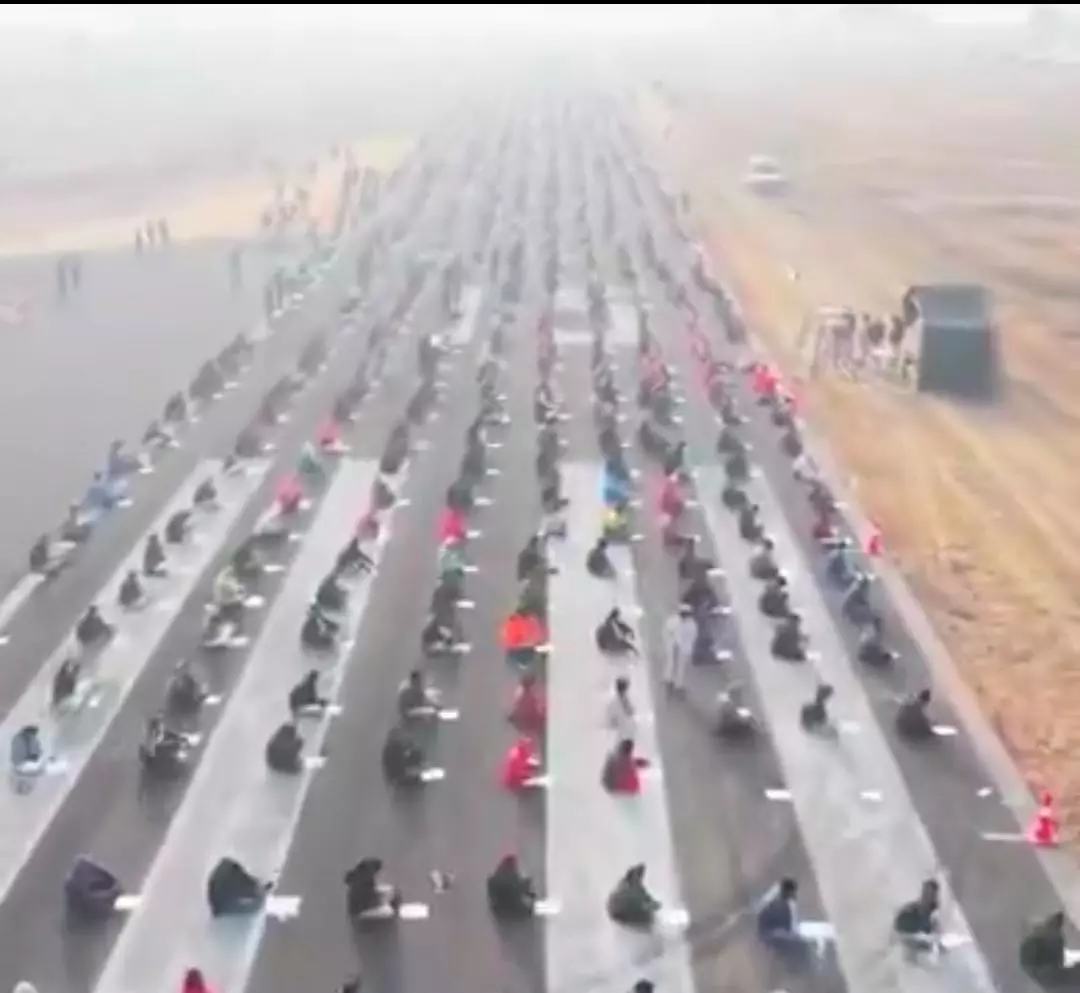
More than 8,000 candidates lined up to contest 187 Home Guard vacancies in Sambalpur, Odisha, despite the minimum educational requirement being Class V. The unexpectedly massive turnout forced police to transform the Jamadarpali airstrip into a temporary examination centre on 16 December and mobilise substantial resources to manage the event.
Odisha Home Guard recruitment surge explained
Deputy Superintendent of Police (Home Guard) Bilkis Nesha said that more than 10,600 people had initially registered for the recruitment exercise. After disqualifying underage and underqualified applicants, more than 8,000 candidates remained and sat the written test. The authorities deployed about 150 police personnel and used drones to provide aerial oversight and maintain order, while social media quickly circulated images of the unusual venue.
The Home Guard post carries a daily allowance of Rs. 639 on a contractual basis, which amounts to just over Rs. 18,000 per month. For many applicants — including graduates, postgraduates, diploma engineers and trained teachers — the modest stipend was less important than the steady income and social security associated with government service. Candidates told reporters they viewed the role as a reliable source of support for their families.
The selection process comprised a 90-minute written test worth 50 marks on general knowledge and essay writing. Those who qualify will face a physical fitness test. Authorities said the high turnout underlined persistent unemployment and under-employment in the region, where aspirants are prepared to accept lower-paying contractual roles to secure steady work.
Local media reported similar overcrowding at recruitment centres in districts such as Rourkela, signalling a broader trend across the state. The scene in Sambalpur generated debate online, with commentators pointing to a mismatch between educational attainment and available jobs.
Officials and analysts noted that the rush for Home Guard positions comes amid mixed economic signals for the state. The Odisha Economic Survey Report 2025 highlighted improvements in labour force participation and worker population ratios, particularly among women. The survey also recorded growth in agriculture and allied sectors, with fisheries and livestock showing strong performance and more workers shifting to value-added activities.
Yet these positives have not eliminated the pressure on government employment. Chief Minister Mohan Charan Majhi acknowledged employment as a priority, noting that 30,032 people had been appointed to government roles since the BJP took office and reiterating a promise to deliver 65,000 jobs within the first two years of the administration.
For policymakers, the Sambalpur turnout presents competing imperatives: to create more formal employment opportunities in growing sectors and to improve the quality and reach of private and value-added work so that applicants are not compelled to pursue lower-paid contractual public roles out of necessity. For now, the conversion of an airstrip into an examination hall and the heavy security deployment offered a vivid illustration of how acute job demand remains in some parts of India.
The Deccan Chronicle report was filed by intern S. Krishna Kumari Patro.