Key Takeaways:
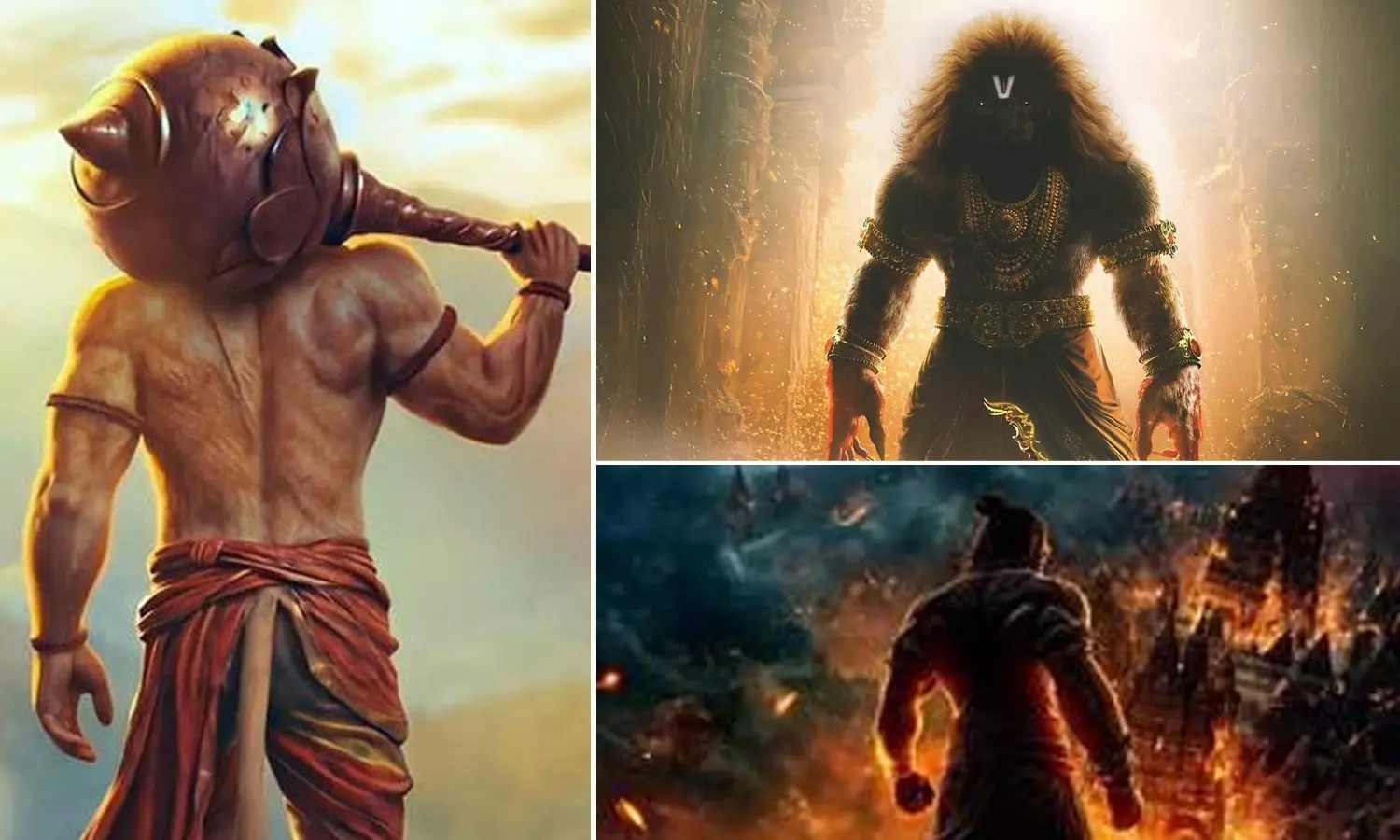
- AI-generated feature films are gaining traction in India after the success of Mahavatar Narasimha, with new projects such as Chiranjeevi Hanuman – The Eternal and Vayuputra announced.
- Producers argue AI speeds up tasks like storyboarding and art direction, while critics warn about the impact on human creators.
- Directors see animation as a practical route to preserve narrative integrity, avoiding delays tied to star-driven live-action casting.
- The trend signals a growing market for mythological stories presented through animation and AI-assisted production.

AI-generated Feature Films Rise in India’s Mythological Cinema
India’s film industry has entered a fresh phase of experimentation as AI-integrated animation moves from niche projects to theatrical ambitions. Following the box-office success of Mahavatar Narasimha, producers and directors are announcing feature films that rely heavily on artificial intelligence to generate visuals, prompting debate about how this approach will sit alongside conventional live-action cinema.
AI-generated feature films find a foothold in Indian mythological cinema
The most prominent recent announcements include Chiranjeevi Hanuman – The Eternal, slated as a fully AI-generated theatrical feature, and Vayuputra, a devotional animated film from Telugu director Chandoo Mondeti. Both projects centre on Lord Hanuman and aim to bring mythological narratives to cinemas using new production methods.
Producer Vishnu Induri has been among the voices defending the move. He told industry media that regular live-action films will not be replaced, adding that animation is one mode of storytelling that filmmakers should absorb. “Earlier, animation movies took a longer time and humongous manual hours, but AI has cut down that workload, and a few are adopting it,” he said, pointing to faster storyboarding, art direction and set creation.
Not everyone in the industry is convinced. Filmmaker Anurag Kashyap criticised AI-driven films, saying they betray the work of human creators. The criticism has reopened discussion about artistic authorship, labour displacement and the long-term implications for technicians and artists employed on traditional productions.
Directors and producers advance practical arguments for animation and AI-assisted techniques. Chandoo Mondeti said Vayuputra fulfils a childhood ambition to tell Hanuman’s story through animation. He also highlighted logistical benefits: large-name actors often cause long delays while waiting for dates, and scripts are sometimes altered to suit star images. “With animation, I don’t have those constraints. I can tell the story exactly as I envision it,” he said.
The debate touches on audience preferences as well. Induri noted that animated and anime series such as Chhota Bheem and Demon Slayer enjoy broad followings, and that different formats attract different viewers. The recent commercial success of mythological features has encouraged other filmmakers to explore the genre, he added.
Market observers say the rise of AI-generated feature films could broaden the range of content available, while also creating new production models. Reduced time and cost for certain tasks may lower barriers for creators and expand the kinds of stories that reach theatres. At the same time, unions and craftspeople will be watching to ensure human creativity and jobs are not sidelined.
For now, the industry appears set to experiment. The early focus on mythological subjects offers familiar narratives that could test audience appetite for AI-driven visuals in a theatrical setting. How widely the format is adopted will depend on box-office outcomes, critical reception and ongoing conversations about the role of human creators in film-making.