











Key Takeaways:
- UDF adds AITC, JRP and VSDPS ahead of Kerala assembly polls, broadening its political reach.
- Entry of regional and tribal parties follows local electoral setbacks for opponents and signals strategic consolidation.
- UDF leadership says the move attracts groups disillusioned with the LDF and stresses no alliances with LDF or BJP in local bodies.
- The inductions aim to bolster UDF’s prospects in constituencies with shifting voter alignments.

UDF Expands Alliance in Kerala with Three New Parties
The Congress-led United Democratic Front (UDF) has formally welcomed three parties into the alliance as it prepares for next year’s Kerala Assembly elections. The All India Trinamool Congress (AITC), Janadhipathya Rashtriya Party (JRP) and Vaikunda Swamy Dharma Pracharana Sabha (VSDPS) were inducted after a coordination committee meeting in Kochi, UDF chairman and Opposition Leader V. D. Satheeshan told reporters.
UDF expands alliance in Kerala
Satheeshan said the parties approached the UDF seeking entry and that there were no conditions attached to their joining. “They approached us with a request. We discussed it with other allies during the meeting and decided to induct them into the alliance,” he said, signalling a pragmatic effort to widen the front’s social and political base.
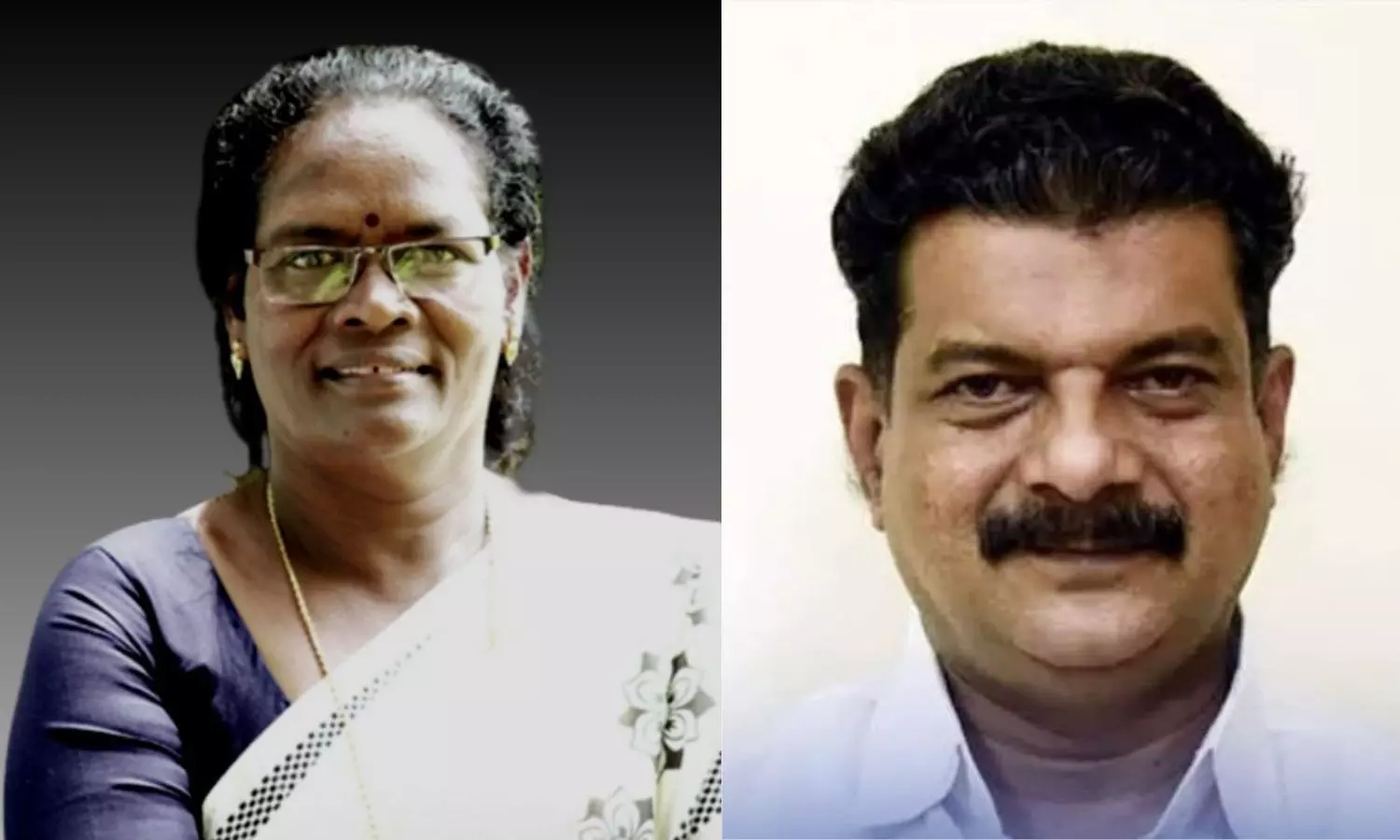
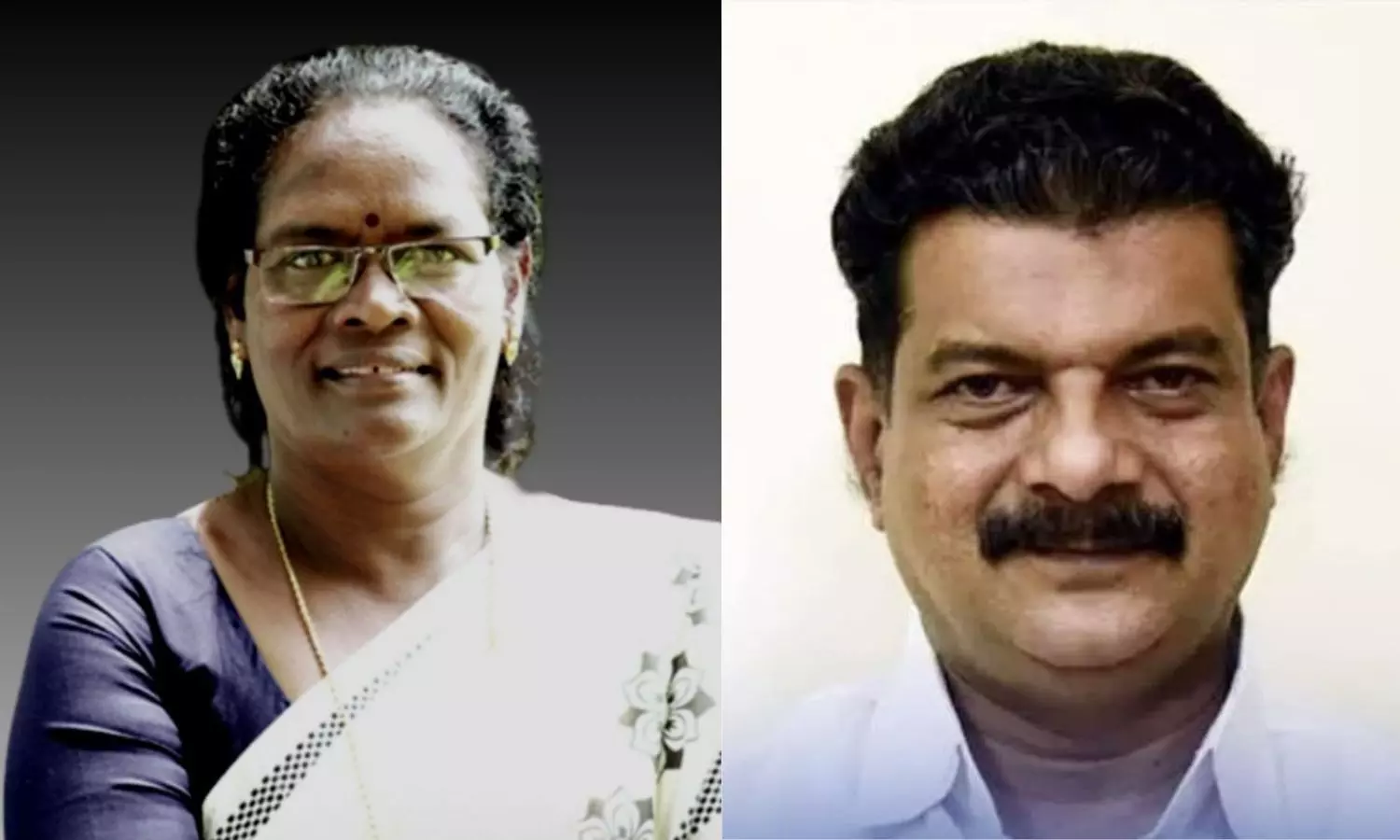
The AITC’s Kerala unit, led by former MLA P. V. Anvar, had sought inclusion months earlier. Anvar contested the Nilambur bypoll in June after initial reluctance from UDF leaders and secured 19,760 votes. Recent local results in Nilambur municipality, where the UDF won 26 of 36 wards, appear to have influenced the decision. Candidates backed by Anvar performed poorly in other local contests, prompting his unit to accept a seat at the UDF table.
The JRP, led by tribal leader C.K. Janu, and the VSDPS, headed by Vishnupuram Chandrasekharan, were previously aligned with the BJP-led National Democratic Alliance (NDA) in Kerala. Their shift into the UDF brings tribal and religious community representation that the alliance hopes will translate into broader electoral appeal across several constituencies.
UDF officials framed the move as outreach rather than simple party expansion. Satheeshan said the alliance was engaging more social and political groups, including individuals formerly close to the Left Democratic Front (LDF). He claimed that several former Left sympathisers had approached the UDF, alleging the CPM had moved away from traditional Left ideology and towards far-right tendencies.
The UDF leader also issued instructions to party workers to avoid forming pacts with either the LDF or the BJP while constituting governing councils in local bodies, reinforcing the alliance’s intent to present a united front against rival blocs.
Political analysts say the induction of the three parties is a tactical move that could help the UDF in marginal seats and among specific community groups where the newcomers have local influence. At the same time, the addition highlights the fragmented nature of Kerala’s political scene, where smaller parties and community organisations can sway close contests.
As the campaign season approaches, the UDF will aim to translate these alliances into coordinated candidate selection and voter mobilisation. How effectively the newly inducted parties integrate with the UDF’s organisational machinery and whether they deliver votes in key constituencies will be closely watched by both state and national observers.
The next months are likely to test the durability of these arrangements as election strategies are finalised and campaigning intensifies across Kerala.








