External Affairs Minister S. Jaishankar’s visit to Dhaka this week has set a constructive tone for India-Bangladesh relations, senior diplomats said, as both countries signalled a readiness to deepen practical cooperation amid a sensitive political moment in Bangladesh.
India-Bangladesh ties set a forward-looking agenda
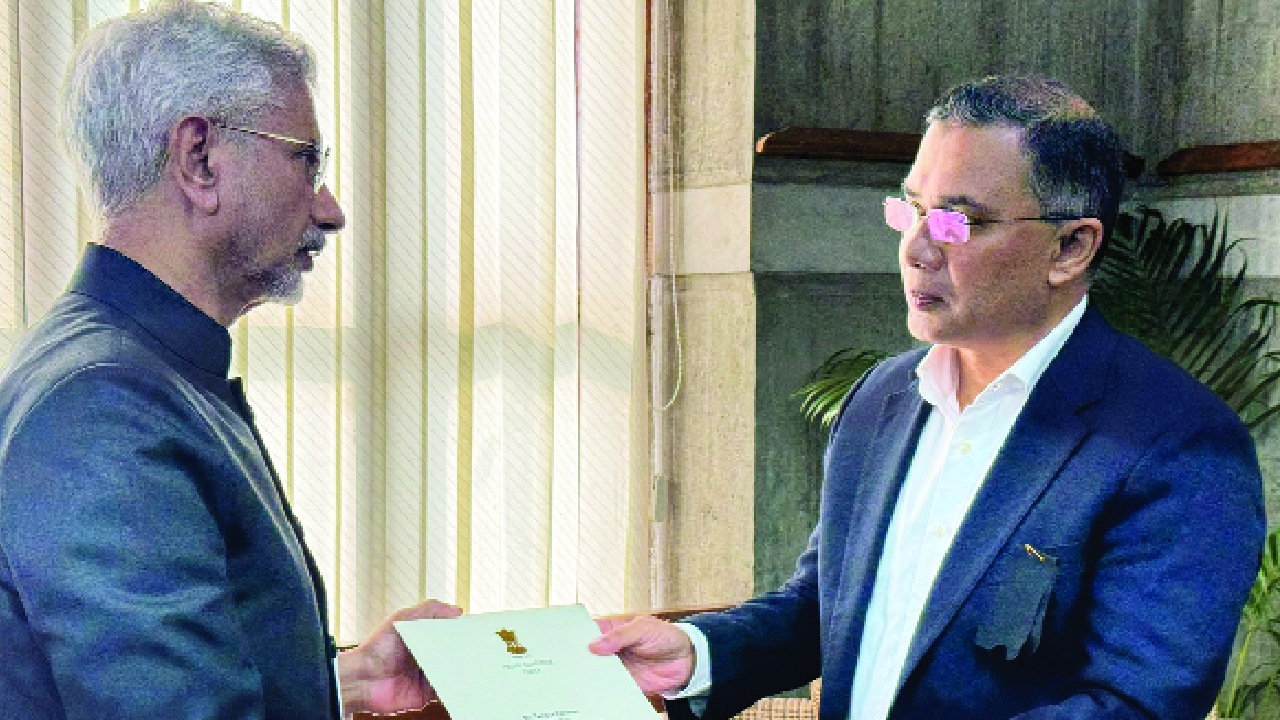
Jaishankar arrived in Dhaka on a special flight to convey India’s condolences following the death of former prime minister Begum Khaleda Zia. The visit, described by Bangladesh’s High Commissioner to India Riaz Hamidullah as meaningful, included meetings with key political figures and the handover of a personal letter from Prime Minister Narendra Modi.
Hamidullah said discussions during the trip reflected a forward-looking approach to bilateral ties, guided by shared interests, pragmatism and mutual interdependence. The two sides emphasised practical cooperation across regional linkages and signalled an intent to maintain steady engagement through Bangladesh’s forthcoming democratic transition.

During the visit, Jaishankar met BNP Acting Chair Tarique Rahman and briefly discussed the direction of political developments. He also conveyed condolences on behalf of the Government and people of India for Khaleda Zia, whom Prime Minister Modi remembered as a leader of strong resolve and Bangladesh’s first woman prime minister. Modi’s message recalled her contributions to national development and the strengthening of India-Bangladesh relations.
Officials and diplomats view Jaishankar’s outreach as an important signal of continuity and goodwill. In a period of state mourning and a national holiday in Bangladesh, the Indian government’s personal outreach aimed to reassure Bangladeshi leaders and citizens of India’s commitment to cooperative ties and regional stability.
The visits underline a pragmatic emphasis on actionable cooperation. Hamidullah said both countries were keen to expand engagement based on tangible projects and regional interlinkages, a line of thinking echoed in private and public discussions during Jaishankar’s meetings.
India’s diplomatic outreach will continue. Defence Minister Rajnath Singh is expected to visit the Bangladesh High Commission in New Delhi on 1 January to pay tributes to Khaleda Zia, demonstrating a coordinated approach across ministries. Officials suggested these gestures are aimed at reinforcing high-level contact and keeping channels of communication open across political lines.
Observers note that such visits matter for more than ceremonial reasons. Personal diplomatic outreach at times of political transition can sustain momentum on bilateral projects, including trade, connectivity and security cooperation. India and Bangladesh already share extensive ties across these areas, and diplomats say the recent exchanges should help preserve continuity in joint initiatives.
For now, both governments appear to favour pragmatic engagement over rhetoric. The immediate focus is to ensure respectful handling of Bangladesh’s period of mourning while preparing for continued cooperation once the country moves through its democratic processes. Officials from both sides said they were optimistic that India-Bangladesh ties would remain robust and grow in step with changing political realities.
Key Takeaways:
- India-Bangladesh ties were bolstered by External Affairs Minister S Jaishankar’s condolence visit to Dhaka following former prime minister Khaleda Zia’s death.
- Both governments signalled a forward-looking approach focused on practical cooperation and regional interlinkages.
- Jaishankar conveyed Prime Minister Modi’s personal letter and condolences; Defence Minister Rajnath Singh will continue outreach with a visit to the Bangladesh High Commission.
- Officials expect closer engagement during Bangladesh’s forthcoming democratic transition.