











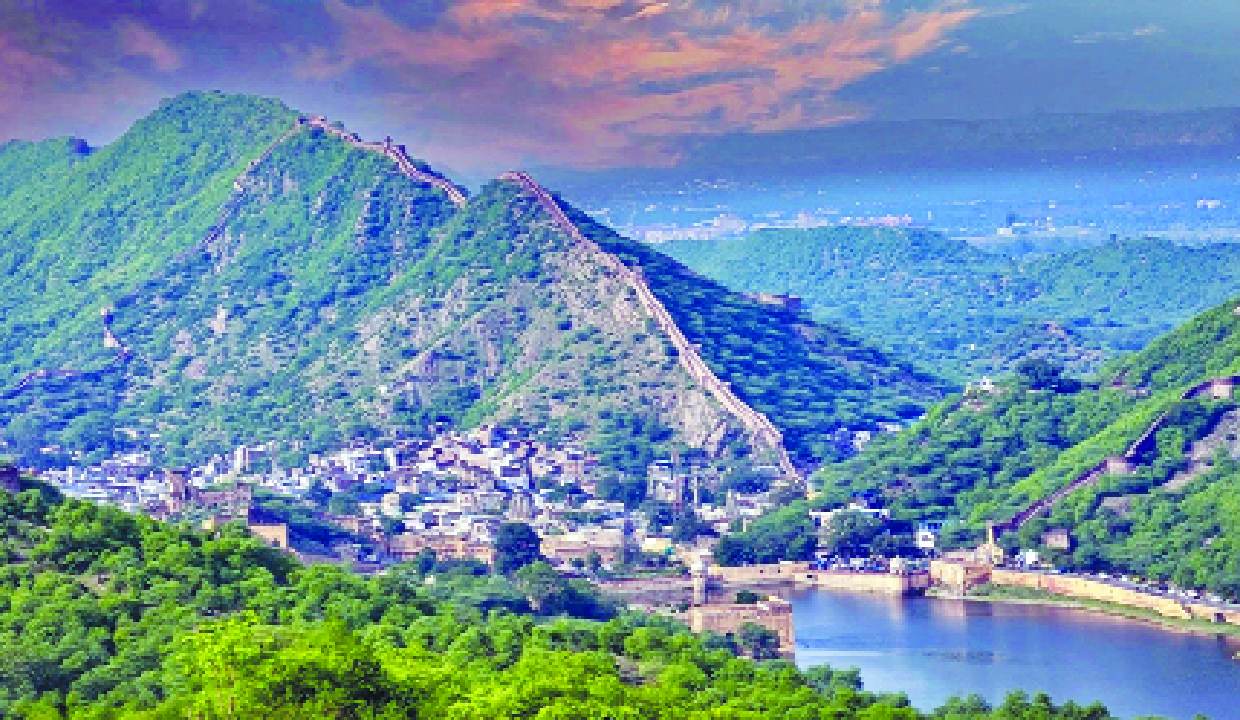
Redefinition of the Aravalli boundary, worsening urban air quality and an active conservation agenda are set to dominate India’s environmental debates in 2026. Policymakers, jurists and civil society are pressing for long‑term, integrated strategies rather than episodic responses as pollution and biodiversity pressures persist.
Aravalli redefinition and national air quality debate
The past year saw repeated hazardous pollution episodes across the Delhi‑NCR and other large cities, driven by transport emissions, industry, dust and wildfires. The Commission for Air Quality Management tightened emergency measures, including mandatory school closures and staggered office timings during high pollution phases, but public frustration grew over what many call slow policy implementation.
Calls from experts and citizens alike stress the need for a unified approach that targets transport, industrial emissions, dust control, waste management and climate‑driven wildfire mitigation. The federal government has instructed states to treat pollution as a year‑round priority and to prepare comprehensive action plans rather than seasonal fixes.

The Aravalli question intensified the debate around national environmental governance. The Supreme Court’s initial acceptance of a redefined Aravalli boundary that limited protected status to elevations above 100 metres provoked conservationist concern. Critics argued the change would permit mining and development in fragile low‑lying areas, weakening a natural barrier to dust storms and worsening air quality in the capital region. Following public uproar, the decision was placed in abeyance while the environment ministry moved to ban new mining leases within the Aravalli range to protect the ridge and its ecosystem services.
At the international level, India signalled deeper engagement in forest diplomacy. At COP30, Indian delegates joined the Brazil‑led Tropical Forests Forever Facility as an observer, seeking multilateral mechanisms for long‑term financing of tropical forest protection and restoration. Delegates emphasised the need for equitable climate finance that balances mitigation and adaptation needs for developing countries.
Conservation policy also registered notable progress. The launch of the National Red List Assessment provides a strategic roadmap to catalogue and monitor the conservation status of India’s flora and fauna, strengthening evidence‑based planning. India will host a Global Big Cats Summit in New Delhi in 2026, furthering its bid to lead conservation diplomacy and to mobilise international partnerships for species protection.
On the ground, Project Tiger sustained momentum with planned translocations and population augmentation programmes. A recent interstate relocation saw a tigress moved from Pench Tiger Reserve to Ramgarh Vishdhari Tiger Reserve as part of a phased strategy to bolster populations across reserves. Yet conservation success has been matched by rising human‑wildlife conflict. In Maharashtra’s Tadoba‑Andhari buffer zone, fatal tiger attacks on forest workers highlighted the urgent need for coordinated safety protocols, improved predator tracking and better risk minimisation for communities living on reserve fringes.
Debates on reforming the Wildlife (Protection) Act gained traction, with stakeholders calling for decentralised decision‑making and revised approaches to species that repeatedly come into conflict with people. As policymakers prepare for 2026, the central challenge will be weaving together air quality, land use and biodiversity policies that protect public health, livelihoods and ecosystem services while sustaining economic activity.
With domestic pressures mounting and international engagement increasing, India’s environmental agenda for 2026 is likely to focus on integrated governance, stronger enforcement, and securing finance for conservation and climate resilience.
Key Takeaways:
- Aravalli redefinition controversy and legal directives have sharpened focus on land use and dust control.
- Air pollution remains a national health crisis prompting calls for integrated transport, industry and wildfire policies.
- India deepened international engagement at COP30, joining the Tropical Forests Forever Facility as an observer.
- Conservation measures such as the National Red List and Project Tiger translocations continue alongside rising human‑wildlife conflict.








