











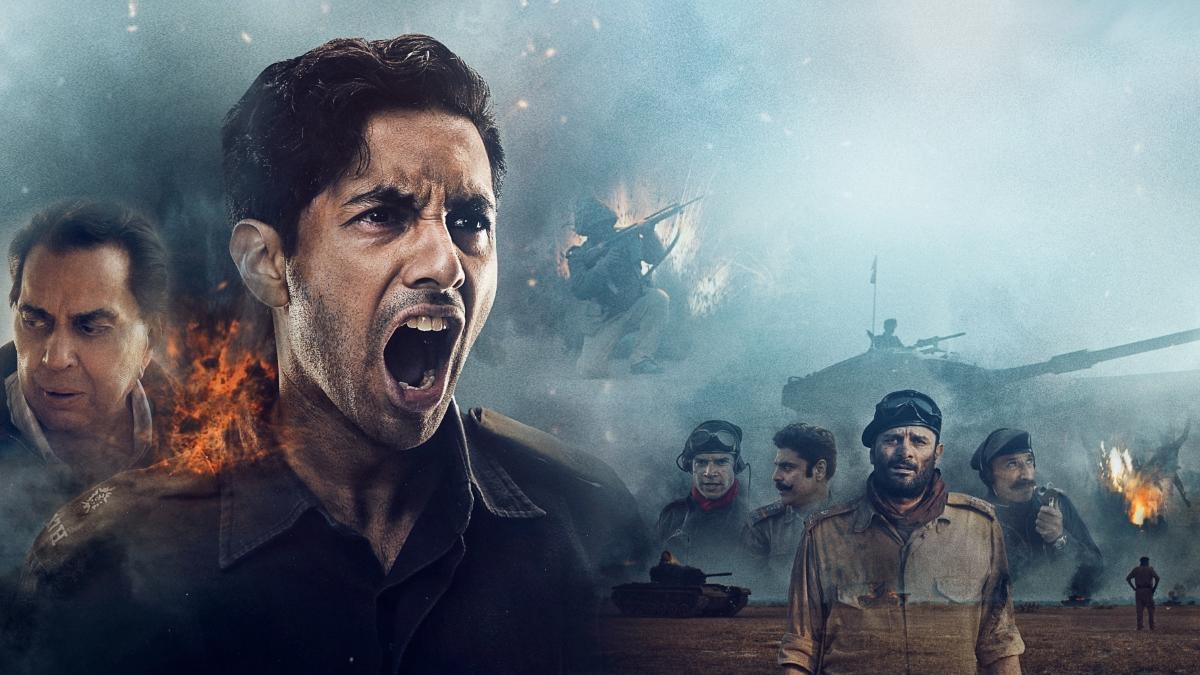
Sriram Raghavan’s latest film, Ikkis, delivers a thoughtful, low-key account of duty and loss that places human cost above jingoism. Set against the backdrop of the 1971 India-Pakistan conflict and the Battle of Basantar, the film traces the brief, heroic life of Second Lieutenant Arun Khetarpal and the long shadow his death casts on those who survive him.
Ikkis India peace and the film’s restrained plea
Raghavan resists spectacle. Rather than relying on glossy patriotism, he opts for emotional and operational authenticity. The narrative moves between two timelines: Arun (Agastya Nanda) on the battlefield and his father, M.L. Khetarpal (Dharmendra), years later during a fraught visit to Pakistan at a time when the two neighbours attempt a diplomatic detour under the Aman Ki Asha initiative. That structure allows the film to explore grief and reconciliation without moralising.
The cinematography, led by Anil Mehta, balances the monstrous presence of Centurion tanks with intimate, haunting close-ups. Mehta’s lens lingers on the human toll of conflict—wounded bodies, empty barracks and the ordinary faces of soldiers—keeping the audience attentive to loss rather than machinery. Raghavan’s choice to avoid digital grandstanding results in scenes that feel lived-in and immediate.

Agastya Nanda makes a quiet but convincing entrance as Arun. He conveys resolve and vulnerability in measured beats, his performance occasionally recalling the brooding intensity associated with India’s finest young actors. The romance subplot, centred on Simar Bhatia’s debut, takes time to find its footing, but it contributes to portraying Arun as a full, flawed young man rather than a one-note hero.
It is Dharmendra, in what critics are already calling his swan song, who holds the film together. His portrayal of a grieving father is marked by restraint: silences that speak, subtle glances and an economy of expression that steadily accumulate emotional force. Opposite him, Jaideep Ahlawat brings nuance to Brigadier Khwaja Mohd. Naseer, a Pakistani officer who carries a thirty-year-old secret. Their interactions form the moral centre of the film and drive home the message that common humanity can persist amid political hostility.
Co-writers Pooja Ladha Surti and Arijit Biswas help create a believable cantonment world and trace how a young man’s urge to leave a mark on posterity can tip him towards duty over doubt. The film delicately examines the thin line between loyalty and obedience without sanctifying its protagonist. Moments of lyricism—references to Hemingway and wartime poetry—are woven in to deepen character rather than distract from the core drama.
Raghavan does not pretend that reconciliation is simple. The makers insert a disclaimer in the end credits to remind audiences that the Pakistani officer’s kindness is not presented as representative, a sober nod to the fragile reality of cross-border relations. Yet, the film’s real achievement is its insistence on empathy: even in a narrative that honours military valour, it foregrounds the futility of violence and the personal cost of conflict.
Ikkis is currently running in theatres. As a piece of cinematic soft power, it offers a constructive cultural moment—an appeal for understanding between neighbours at a time when public rhetoric often hardens into opposition.
Key Takeaways:
- Ikkis India peace: a restrained war drama that favours empathy over spectacle.
- Sriram Raghavan uses two timelines to humanise Second Lieutenant Arun Khetarpal and his grieving father.
- Standout performances from Dharmendra and Agastya Nanda anchor the film’s emotional core.
- The film serves as a soft-power plea for cross-border understanding amid brittle diplomacy.








