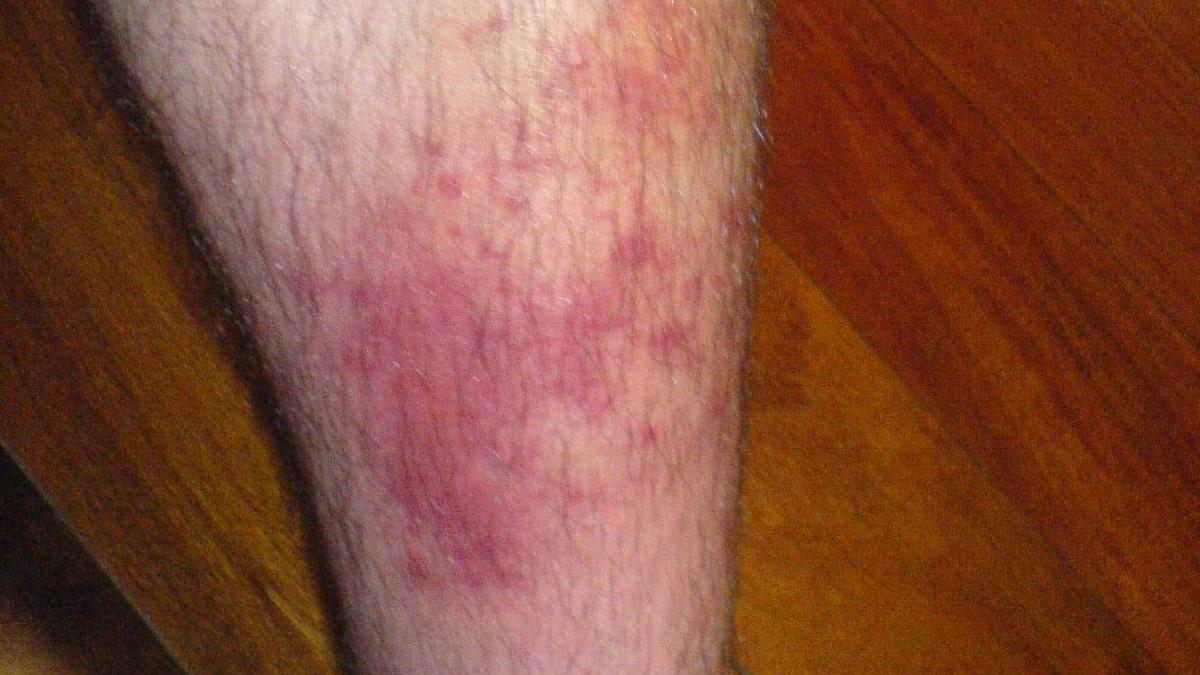
Cellulitis is a frequent bacterial infection of the skin and subcutaneous tissues that usually responds to a course of antibiotics but can carry serious complications if untreated. The condition most often affects the legs, feet and toes though it may occur on the face, arms or hands. Early recognition and prompt treatment reduce the risk of spread to the lymphatic system or bloodstream, which can require hospitalisation.
Typical presentation includes skin discolouration that becomes darker as the infection advances, local warmth, swelling and tenderness. Patients may also experience fever, chills, fatigue, fluid-filled blisters, skin dimpling and sometimes spots over the affected area. Pain can persist even after the visible signs begin to resolve.
Cellulitis in India: studies and local risk factors
Recent observational data from India show the condition is commonly seen in working-age men, with a mean age near 36 years. Field workers and those exposed to trauma accounted for a substantial share of cases; in roughly half of patients trauma was the identified risk factor. Other locally relevant contributors included diabetes mellitus and smoking. Abscess formation was the commonest complication, and while more than half of patients were managed conservatively, a significant minority required surgical intervention and hospital stays of five days or longer.

A larger multicentre clinical analysis of lower limb cellulitis treated with antibiotics found that swelling and the affected surface area typically reduced by about 50 percent within ten days of starting treatment. Inflammatory blood markers also returned close to normal in many patients. Despite these objective improvements, more than half of participants reported ongoing discomfort in the affected limb, and about 14 percent ranked their pain as severe on a 1–10 scale.
Diagnosis, treatment and what patients should expect
Diagnosis is clinical, based on the appearance and progression of the affected skin together with systemic features such as fever. Most cases respond to oral antibiotics prescribed by a doctor; severe infections or those with systemic involvement require hospitalisation and intravenous therapy. It is important to complete the full course of antibiotics to avoid progression and recurrence.
Even after antibiotic treatment, some patients experience residual symptoms, including swelling and discomfort, which may take weeks or longer to settle. Safer recovery is supported by simple measures such as elevating the limb, using warm compresses to relieve swelling, wearing compression stockings when advised and maintaining gentle mobility to promote circulation.
Prevention and when to seek medical care
Prevention centres on good skin care: regular hand washing, careful wound cleaning, keeping nails trimmed, and thoroughly drying skin after bathing. Cover minor cuts and abrasions and seek medical review if a wound shows increasing redness, spreading warmth or pain. People with diabetes or compromised immunity should take extra precautions and consult clinicians early if signs of infection appear.
Cellulitis is not generally contagious, but its potential to progress makes early medical assessment essential. Healthcare professionals can confirm the diagnosis, select appropriate antibiotic therapy and advise on measures to reduce the risk of relapse and long-term complications.
Key Takeaways:
- Cellulitis is a common bacterial skin infection usually treated with antibiotics; early treatment prevents spread and hospitalisation.
- Research in India highlights risk factors such as trauma, diabetes and smoking and finds abscess as a common complication.
- Clinical data show swelling and affected area halve within 10 days of antibiotics, but many patients report ongoing pain.
- Good skin hygiene, wound care, elevation and prompt medical attention are key to preventing recurrence.