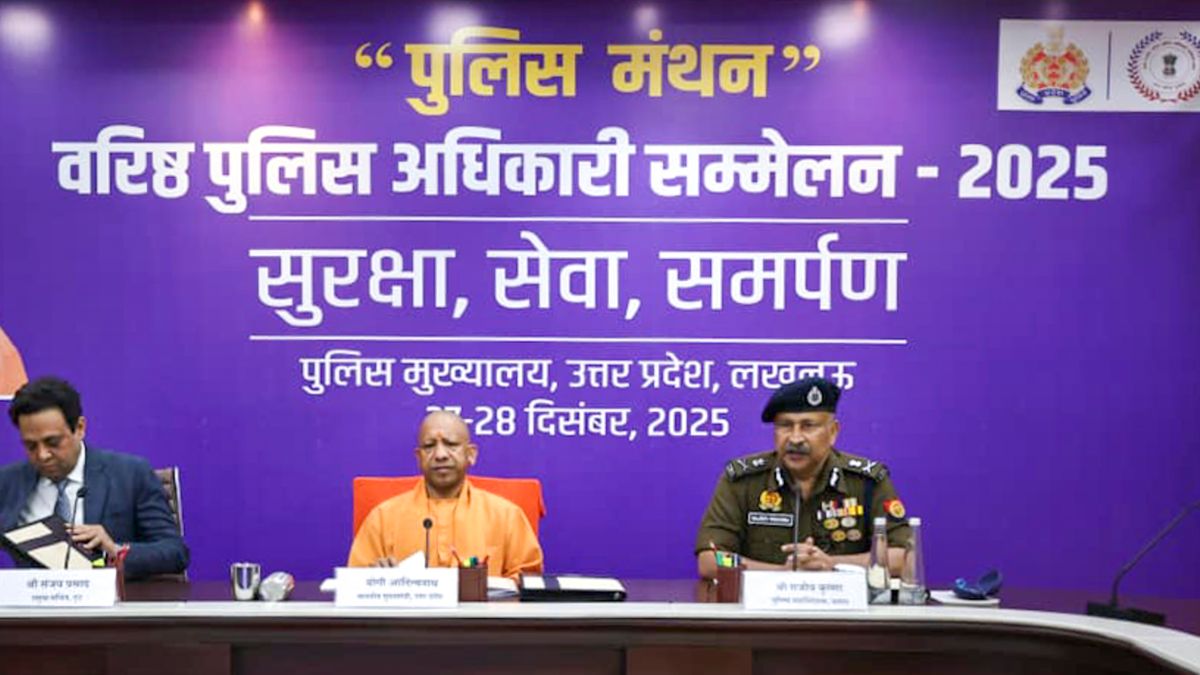
Uttar Pradesh Chief Minister Yogi Adityanath combined religious homage with a call for rapid technological advancement during events in Ayodhya marking the second anniversary of the Ram Temple Pran Pratishtha. Speaking at ceremonies attended by Defence Minister Rajnath Singh, Mr Adityanath praised the temple’s restoration and set out a vision for 2026 as a turning point in the state’s digital transformation.
Uttar Pradesh AI push gains momentum
Mr Adityanath recalled the long struggle to restore the shrine and cited three dates he said were central to Ayodhya’s recent history: the foundation stone laying on 5 August 2020, the consecration of the Ram Lalla idol on 22 January 2024, and the saffron flag ceremony on 25 November. He said these events demonstrate Ayodhya’s continuing significance for devotees across India and abroad.
At the anniversary programme, Mr Adityanath criticised previous administrations for neglecting the city and argued that Ayodhya’s status could not be diminished. He and Mr Singh performed prayers at Hanumangarhi temple and participated in the Pran Pratishtha Dwadashi rituals inside the Ram Temple complex. Authorities expect five to six lakh devotees to visit for darshan around the anniversary.

Alongside the religious observance, Mr Adityanath issued a public appeal on 30 December 2025 urging young people to support grassroots digital education. He said that 2026 should be remembered as the year Uttar Pradesh consolidated its position as a hub for artificial intelligence and the wider digital economy. He asked young citizens to teach five children in their vicinity basic computer and AI skills, setting aside at least one hour each week for instruction.
The Chief Minister set out concrete investment plans alongside the education push. He announced preparations to develop specialised AI cities in Lucknow and Noida and revealed that a semiconductor manufacturing unit valued at ₹3,700 crore will be established at Jewar. Mr Adityanath said these projects build on improved governance and a stronger investment climate that he described as enhancing Brand U.P. internationally.
Local officials say the proposed AI cities will provide focused infrastructure and incentives to attract technology firms, research centres and training institutes. The semiconductor project at Jewar aligns with national priorities to expand domestic chip production and reduce supply chain dependencies.
Economic observers noted that the combined focus on skills, specialised technology zones and manufacturing investment could create jobs and raise productivity in the state. If implemented as planned, these measures may also boost investor confidence and encourage further private sector commitments.
Mr Adityanath framed the programme as a balance between tradition and modernity, arguing that deep cultural roots can coexist with a strong drive for economic and technological progress. As Uttar Pradesh prepares for a year of intensified development activity, officials will need to translate announcements into projects on the ground to meet expectations for jobs, training and infrastructure.
The Ram Temple anniversary and the technology announcements together sent a clear message from the state leadership: Ayodhya remains a centre of religious significance while Uttar Pradesh seeks to position itself as a competitive destination for the digital economy.
Key Takeaways:
- Uttar Pradesh Chief Minister Yogi Adityanath marked the second anniversary of the Ram Temple while urging a technological push across the state.
- Yogi called 2026 a decisive year and urged youth to teach children about computers and AI to build local skills.
- The state plans AI cities in Lucknow and Noida and a ₹3,700 crore semiconductor unit at Jewar to attract investment.
- Officials expect hundreds of thousands of devotees to visit Ayodhya for the anniversary ceremonies.