The Atomic Energy Organisation of Iran is emerging as a national leader in advanced medical treatments, applying radiopharmaceuticals and plasma-based therapies to tackle chronic wounds and improve cancer care, officials say.
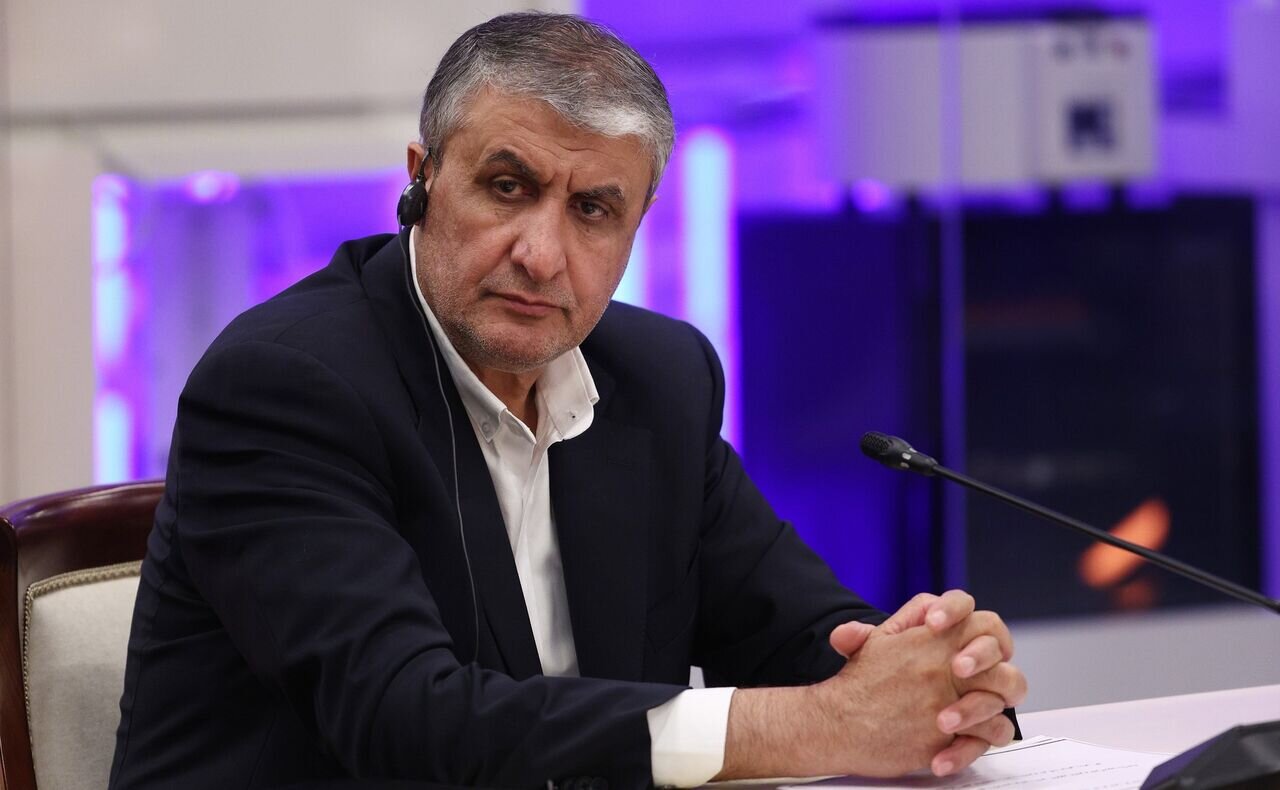
Mohammad Eslami, speaking to Khabaronline, said the organisation’s work in radiopharmaceuticals and plasma medicine reflects deepening domestic expertise that is both effective and sustainable. The initiative includes a newly opened clinic operating under a national mandate that provides outpatient and inpatient services to patients with complex, slow-healing wounds.
Radiopharmaceuticals and plasma therapy drive treatment advances
The clinic focuses on chronic wound management, a major health concern in Iran. Physicians at the centre treat diabetic ulcers, pressure sores and post-surgical wounds in cancer patients — conditions that are often resistant to conventional therapies and are vulnerable to infection. According to officials, more than 2,500 patients have received plasma therapy across Iran in the past two years and have shown measurable recovery.

Plasma medicine uses ionised gas to promote tissue repair, reduce infection and stimulate healing processes in damaged tissue. When combined with radiopharmaceuticals — targeted radioactive compounds used for diagnosis and therapy —the two approaches can offer a complementary pathway for treating complex conditions, including certain cancers.
Eslami highlighted the role of scientific collaboration in accelerating these advances. The Second Plasma Medicine Congress and the first joint congress on innovative cancer therapies, he said, brought clinicians, researchers and industry experts together to share results and refine protocols. Such gatherings, he added, demonstrate Iran’s capacity to develop and apply cutting-edge medical technologies domestically.
Officials describe the work as part of a broader push to integrate new medical technologies into routine clinical practice. The national clinic operates with a mandate to expand access and to train medical personnel in plasma-based techniques, ensuring both outpatient and inpatient pathways for patients who require ongoing wound management or secondary care after surgery.
Combining radiopharmaceuticals with plasma therapy opens potential new treatment avenues for oncology. Radiopharmaceuticals can target cancerous tissue for diagnosis or therapy while plasma techniques may assist in managing post-operative wounds and reducing complications that delay recovery. Health authorities say that raising awareness among healthcare professionals and the public is essential to maximise the benefits of these innovations.
While long-term outcomes and broad clinical adoption will depend on further studies and regulatory pathways, Iranian specialists point to early clinical successes and a growing body of clinical experience as encouraging signs. The emphasis on domestic development also aims to reduce dependence on imported technologies and to strengthen national capacity in high-technology medical care.
For patients facing chronic wounds and cancer-related surgical recovery, the expansion of plasma therapy and targeted radiopharmaceuticals offers new hope for more sustainable, effective treatment. Officials have urged continued investment in training, multicentre trials and public information campaigns so that advances translate into measurable improvements in patient outcomes nationwide.

Key Takeaways:
- Iran is expanding use of radiopharmaceuticals and plasma therapy, with a new clinic offering inpatient and outpatient care.
- More than 2,500 patients recovered at plasma therapy centres in the past two years, primarily for chronic wounds and post-surgical care.
- National research and events, including the Second Plasma Medicine Congress, demonstrate growing domestic capacity in advanced medical technologies.