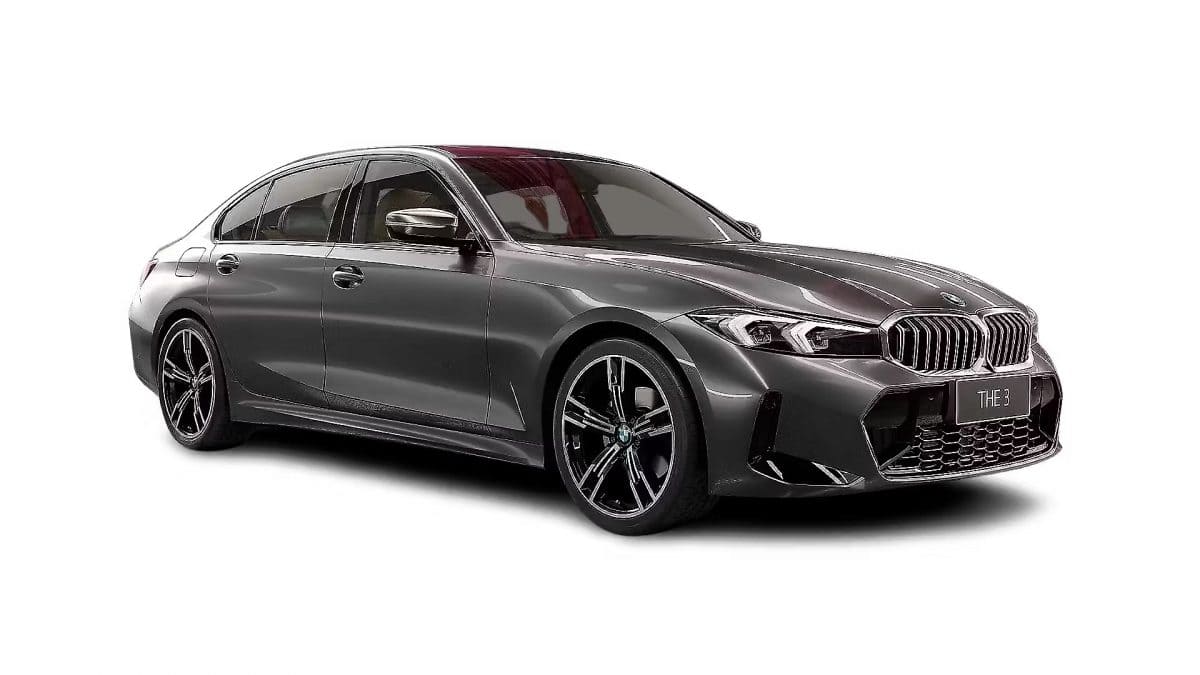
The Lokpal has withdrawn its plan to purchase seven BMW 3 Series cars after strong criticism from political parties and civil society, officials confirmed on Thursday. The procurement, estimated at nearly five crore rupees, had attracted swift condemnation for its perceived extravagance and potential mismatch with the institution’s mandate to uphold probity.
Lokpal BMW withdrawal and public reaction
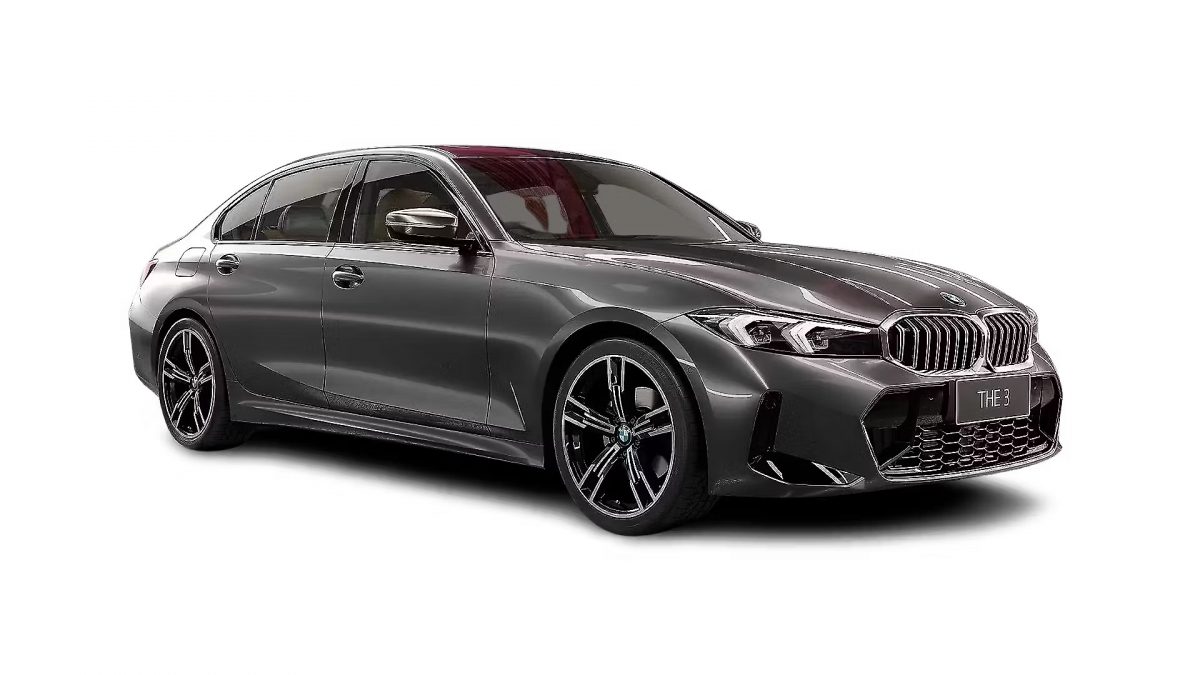
The cancellation was adopted unanimously by the full bench of the Lokpal and formalised in a corrigendum dated 16 December 2025. The original tender, issued on 16 October 2025, invited bids from reputed automobile dealers to supply BMW 330Li M Sport models for the chairperson and six members of the anti‑corruption body.
Under the earlier plan, each official would have received a white long‑wheelbase BMW 330Li. The combined on‑road cost for the seven vehicles was estimated at roughly five crore rupees. The Lokpal can have up to eight members in total, split between judicial and non‑judicial members.

Criticism and alternatives proposed
The tender drew rapid criticism from opposition leaders and public interest groups who argued that the body tasked with enforcing integrity should avoid displays of luxury. Congress leader Jairam Ramesh described the proposed purchase as tone‑deaf, while former NITI Aayog chief executive Amitabh Kant urged the institution to cancel the order and consider Indian‑made electric vehicles instead.
Critics also highlighted optics and fiscal prudence, noting that a public body set up to promote transparency risks eroding public trust if perceived to indulge in imported luxury. The controversy prompted wider discussion about procurement norms for constitutional offices and whether greater emphasis should be placed on domestic sourcing and sustainability.
Tender details and training clause
The tender documents included a training component for drivers and staff. The selected vendor would have been required to provide classroom and on‑road sessions covering vehicle features, safety systems, parking and emergency handling, and guidance on fuel efficiency and driving modes. The inclusion of the training clause was standard for complex vehicles but became another focus for critics who questioned the overall necessity of the purchase.
Significance of the decision
Officials said the withdrawal represents a corrective step intended to address public concerns about the institution’s priorities. By rescinding the order, the Lokpal aims to restore credibility and align procurement decisions with expectations of austerity and transparency in public institutions.
Observers said the episode may prompt a review of procurement policies for constitutional bodies, with renewed attention on opting for cost‑effective, locally produced vehicles and on clearer guidelines to avoid similar controversies in future. For now, the Lokpal’s unanimous decision has calmed immediate public anger and sent a message about responsiveness to criticism.
)
Key Takeaways:
- Lokpal BMW withdrawal: the anti‑corruption body has cancelled a tender for seven BMW 3 Series cars following widespread criticism.
- The proposed purchase, valued at around five crore rupees, would have provided vehicles for the chairperson and six members.
- Critics called the move extravagant; experts urged use of Indian electric vehicles instead.
- The unanimous resolution and corrigendum of 16 December 2025 aim to restore the institution’s credibility.