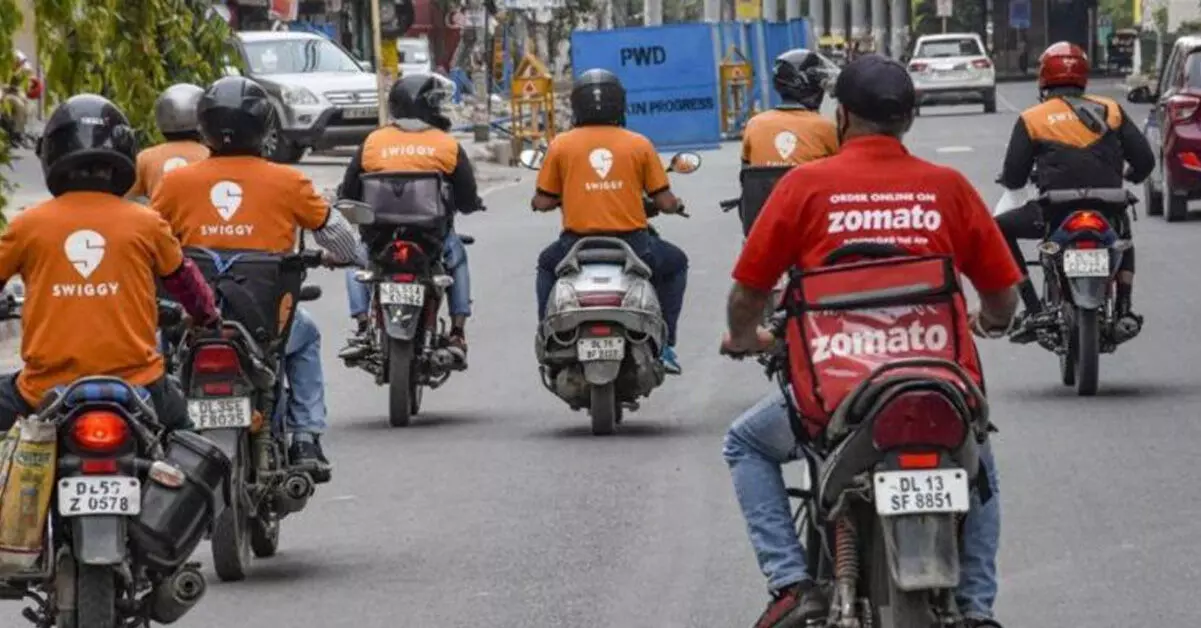
Delivery workers for Swiggy, Zomato, Blinkit and Zepto staged a nationwide strike on 31 December and around the Christmas period, disrupting online food and grocery deliveries during a traditionally high-demand window. Organised unions reported that between 100,000 and 300,000 gig workers joined protests across multiple cities, with more than 200,000 logged out and off the platforms for much of the day.
India gig worker strike key demands
Protesters set out a clear set of demands: legal recognition as workers rather than partners; enforcement of labour protections; removal of hazardous 10-minute delivery targets; access to social security benefits; a minimum monthly wage of Rs 40,000; regulated provisions for emergency and bereavement leave; and the restoration of human-led grievance redressal instead of automated, AI-driven systems.
The strike was called by national unions including the Indian Federation of App-Based Transport Workers (IFAT) and the Gig and Platform Service Workers Union (GIPSWU). Union leaders said the action aimed to press platforms to agree to fairer pay, transparent algorithms and basic employment protections ahead of further negotiations.

Companies sought to blunt the impact by announcing temporary measures. Swiggy and Zomato declared higher incentives for peak hours and year-end demand, while platforms also assigned third-party couriers such as Shadowfax and Rapido to pick up some of the slack. In some instances, companies temporarily reactivated accounts that had been logged out to ensure service continuity.
Organisers and workers, however, reported instances of intimidation and pressure during the strike. Union representatives said that in previous actions, couriers faced threats and punitive measures that dissuaded collective action.
Legal context and international comparisons
The protest coincides with a broader policy shift in India. The Social Security Code, first proposed in 2020, formally recognises gig and platform workers and envisages their inclusion in social security schemes such as health cover, accident insurance and old-age assistance. The code also envisages contributions from aggregators based on their annual turnover.
Global precedents have varied. Spain’s 2021 riders’ law granted many delivery couriers employee status, ensuring minimum wages and social protections. Courts in the UK and the Netherlands have also ruled in favour of worker status in several high-profile cases, while countries such as Italy and France have adopted sector-specific measures without blanket employee classification.
Labour experts say the strike underlines tensions between flexible gig work and the need for predictable incomes and protection. Platforms argue that flexible arrangements benefit workers who value autonomy, but unions counter that platform-controlled algorithms and performance targets effectively dictate terms and conditions.
As talks proceed, the dispute will test how quickly platforms, unions and regulators can reach practical arrangements that balance flexibility with security. For consumers, the immediate effect was delayed or cancelled orders in cities including Delhi, Bengaluru, Hyderabad and Mumbai during the holiday peak.
The outcome may also shape how India implements social security provisions for non-traditional workers and influence regulatory approaches elsewhere where gig work has become a significant source of employment.
Key Takeaways:
- India gig worker strike saw between one and three lakh delivery workers protest on and around 31 December, disrupting peak holiday orders.
- Workers demanded minimum pay, social security access and the removal of 10-minute delivery targets.
- Platforms responded with peak-hour incentives and temporary reactivation of logged-out IDs to maintain services.
- The move comes as India advances social security legislation for gig and platform workers and follows international precedents on worker classification.