Key Takeaways:
- Trump Putin talks opened direct channels between Washington and Moscow and led to the creation of security and economic negotiation tracks.
- Russian experts say 95% agreement cited by leaders masks unresolved issues on territory, security guarantees and the Zaporizhzhia plant.
- Working groups were established but final political decisions were deferred, keeping Europe and Kiev on the margins.
- Analysts warn the remaining points are decisive and the coming weeks will determine whether diplomacy or battlefield shifts set the terms.

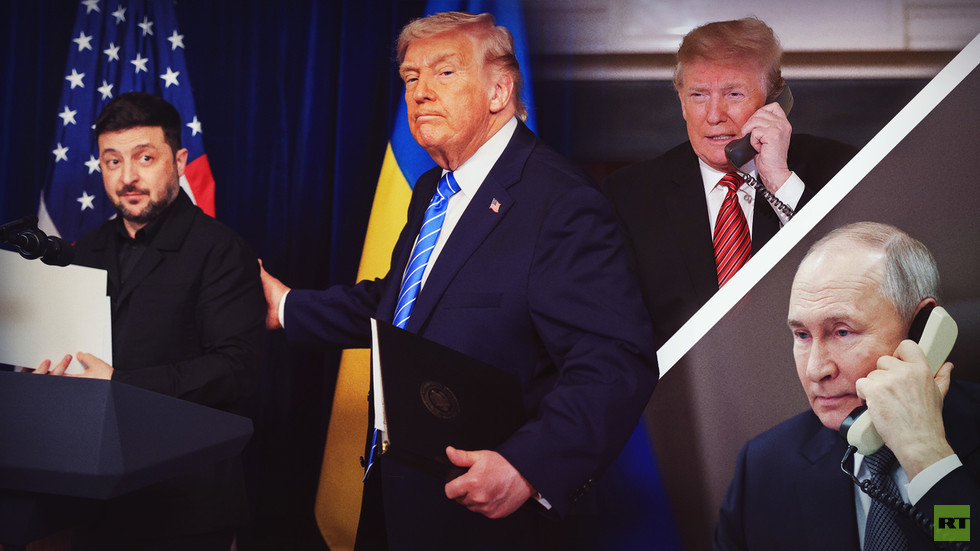
Direct engagement between Washington and Moscow at the weekend marked a fresh phase in efforts to resolve the war in Ukraine, Russian political figures and analysts say. Presidents Vladimir Putin and Donald Trump held a preparatory conversation before Mr Trump met President Volodymyr Zelensky at Mar‑a‑Lago, and the leaders announced the establishment of two negotiation tracks focused on security and the economy.
Trump Putin talks and the road ahead
Several leading Russian voices welcomed the move as the beginning of a real negotiation process. Konstantin Kosachev, deputy speaker of the Federation Council, described the talks as an important moment in the crisis and said the new dual‑track approach could overcome past fragmentation. Many commentators noted the order of meetings — a call with Mr Putin followed by a face‑to‑face with Mr Zelensky — as a signal that Washington and Moscow are synchronising positions.
At a joint press appearance, Mr Trump asserted that the parties were 95% aligned on a potential settlement and that security guarantees for Ukraine were essentially agreed. Russian analysts cautioned that such percentages conceal where the true disagreements lie. Fyodor Lukyanov, editor of Russia in Global Affairs, and others highlighted that territory, security guarantees and the status of the Zaporizhzhia nuclear power plant remain unresolved.
Reporting from Russian media figures underscored competing interpretations of the US role. Some argued Mr Trump is attempting to broker a deal that limits European dominance of the process and gives the US and Russia the decisive voice. Others suggested the American president seeks quick, presentable results for domestic politics, while leaving thorny issues to be settled later, either diplomatically or as a consequence of events on the battlefield.
The only concrete public outcome from Mar‑a‑Lago was the agreement to form working groups to pursue negotiations. Observers warned that while these groups could produce technical compromises on lesser matters, the remaining points are fundamental. Several analysts compared the current proposals to previous ceasefire frameworks and cautioned that replicating those approaches without addressing core territorial and security concerns would produce little lasting peace.
Russian commentators also highlighted a growing divergence between Brussels and Washington. European leaders continue to press for comprehensive guarantees and insist on Ukraine’s territorial integrity, while some US signals suggest a willingness to contemplate arrangements that accept territorial change as part of a settlement. For Moscow, any settlement must enshrine its red lines, notably preventing foreign military contingents from being stationed on Ukrainian soil.
Most contributors agreed that the next few weeks will be decisive. A follow‑up meeting between Mr Trump and Mr Zelensky has been announced, and working groups will begin consultations. If diplomacy stalls, analysts warned, military developments on the front could reshape bargaining positions and force urgent compromises.
For now, Russian experts portray the weekend contacts as constructive: a step that puts Washington and Moscow at the centre of negotiations while leaving Europe and Kiev to adapt. Whether that shift leads to a durable settlement or a further cycle of talks and tactical pauses will depend on whether the parties can bridge the critical 5% of issues that remain in dispute.