Key Takeaways:
- State-funded places at M. Tynyshpayev Astana ALT Transport College rose from 450 to 550, boosting access to vocational education.
- Increased interest among young people reflects successful promotion of vocational careers and rising demand for skilled labour.
- International collaboration with a Chinese education centre provided student internships and paves the way for a new college workshop.

Vocational Training in Kazakhstan Strengthens with More State Funding and China Partnership
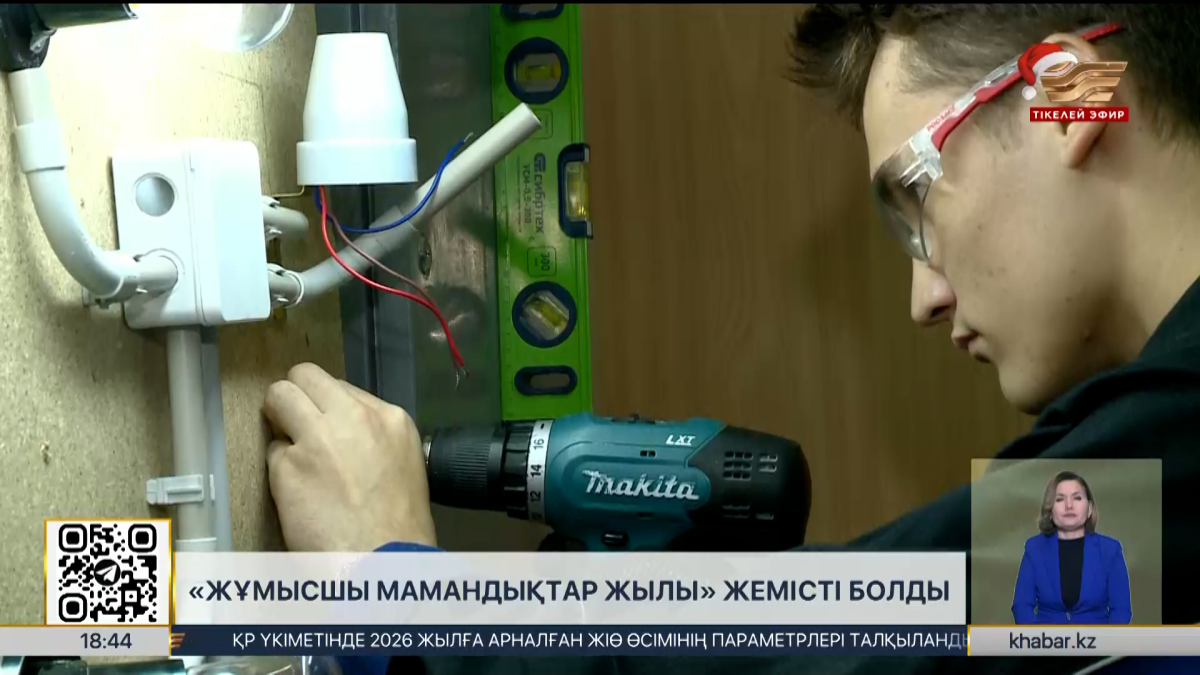
The initiative known locally as the “Year of Worker Professions” has delivered measurable results at the M. Tynyshpayev Astana ALT Transport College, with authorities and college leaders urging that the momentum should continue. The college received an increased state order for the 2024–2025 academic year, allowing 550 students to study on state-funded places, up from 450 in previous years.
Vocational training in Kazakhstan: rising demand and international links
College officials said the rise in state-funded places reflects growing interest among young people in vocational careers, a shift they attribute to better promotion of technical professions and clearer pathways into employment. The deputy director of the college, Aïnur Särsenbaeva, said the programme has not only attracted more applicants but also strengthened ties with industry and foreign partners.
“Thanks to active outreach and a focus on practical skills, we have seen student demand increase significantly,” Särsenbaeva said. “This year our students travelled to the People’s Republic of China for internships, gained hands-on experience of advanced transport systems, and brought back insights that will benefit the college and local employers.”
The college’s collaboration with the Chun Xin education complex in China included organised internships and practical training placements for students. Visiting an advanced transport system allowed trainees to observe contemporary workshop organisation and technical standards, experience college leaders said.
Hands-on experience and a new workshop
As a direct outcome of the cooperation, Chinese partners have expressed intent to support the opening of a new workshop at the Astana ALT Transport College. The planned facility is expected to expand the college’s capacity for practical training and provide a space where students can apply the skills learned during internships to real-world tasks.
College administrators highlighted that stronger links between enterprises and educational institutions are central to ensuring vocational programmes respond to labour market needs. Employers who engage with the college help shape curricula, offer placements and provide concrete opportunities for graduates to enter the workforce.
Opportunities for students and the local economy
Education and labour officials say that increasing the number of state-funded vocational places supports broader policy goals: reducing youth unemployment, addressing shortages of skilled labour in transport and related industries, and promoting economic diversification. By equipping young people with trade skills, the college contributes to both individual career prospects and local industrial capacity.
Students returning from internships in China reported practical benefits, including exposure to different repair techniques, workshop management practices and safety standards. College leadership intends to incorporate these lessons into the curriculum and training routines when the new workshop opens.
While the “Year of Worker Professions” initiative draws to a close, college officials and industry partners say the results warrant continuation of the policies and investments that raised student intake and deepened international cooperation. The combination of increased state support, employer engagement and cross-border collaboration may offer a replicable model for other vocational institutions across the region.