











Key Takeaways:
- Issyk‑Kul resort renovation will convert four Kazakhstan‑owned sanatoria into 3–4 star hotels by 2029.
- Renovation aims to enable year‑round tourism, boost revenues and reduce sports training costs currently spent abroad.
- The project follows a 49‑year lease arrangement; investors will add modern facilities alongside upgrades.

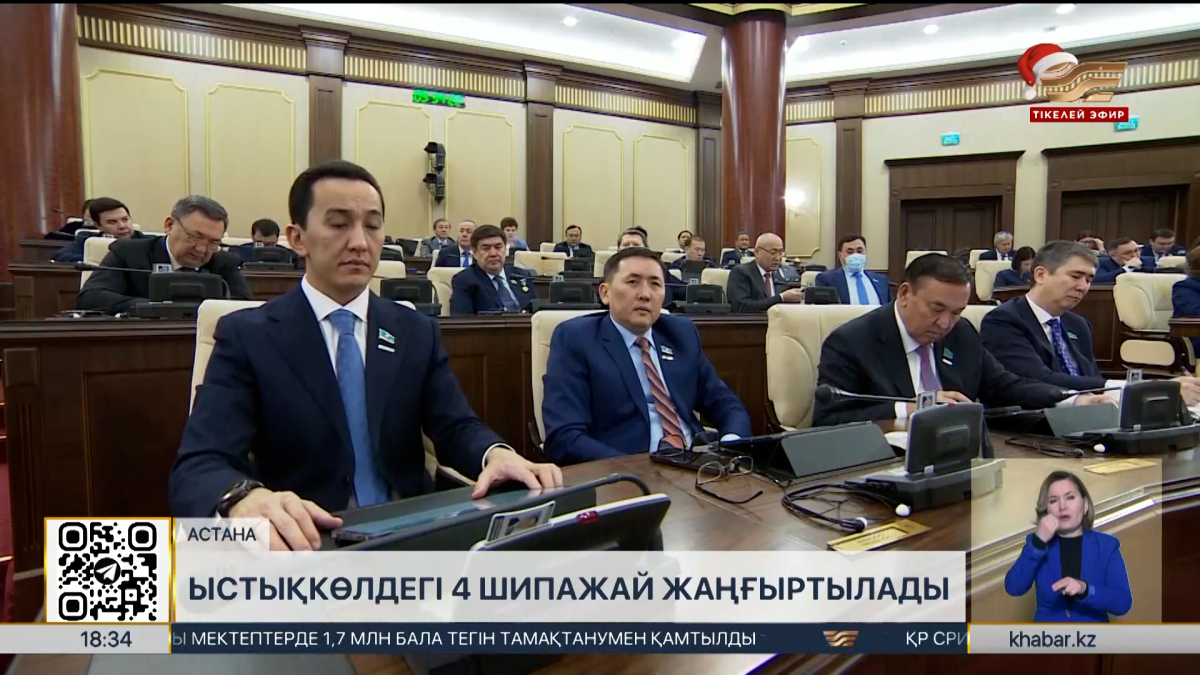
Kazakhstan has moved to upgrade four sanatoria on the shores of Issyk‑Kul, announcing plans to transform the properties into three‑ and four‑star hotels by 2029 after the Mäjilis ratified the agreement. The buildings, owned by Kazakhstan and located on leased land in Kyrgyzstan, are to be refurbished to allow year‑round operation and to increase revenue for the facilities.
Issyk‑Kul resort renovation to create year‑round tourism
The government says the properties will be brought up to modern hotel standards within the next four years. Finance Minister Mädi Täkieev told the Mäjilis that the assets include the President’s Office’s “Kazakhstan” sanatorium, the “Samal” holiday base and “University” sports camp under the Ministry of Science and Higher Education, and the “Olymp” holiday base managed by the Ministry of Tourism and Sport. All four facilities date back to the Soviet era and require significant renovation.
Under the 49‑year lease arrangement, Kazakhstan is responsible for maintaining the buildings and coordinating their operation. Officials insist that converting the sites into hotels will extend usage beyond the summer months, create a steady flow of visitors and raise the facilities’ profitability. Investors involved in the project will also commit to building additional modern amenities adjacent to the sanatoria.
Serik Jarasbayev, Deputy Minister of Tourism and Sport, said an internal analysis showed Kazakh athletes currently spend around 1.5 billion tenges training at other facilities in Kyrgyzstan each year. If athletes can prepare at improved domestic facilities on Issyk‑Kul, that spending would remain within Kazakhstan’s programmes and the local site would capture those economic benefits.
“If we convert these facilities into hotels, the sites will be renewed and able to receive visitors all year round. That will increase income and make better use of the assets,” Mädi Täkieev said. He added that the sites are used for only a short period during the summer for training, so refurbishment would allow fuller utilisation.
The Mäjilis debate also revealed some questions from deputies about Kazakhstan’s role in the leased area. Officials clarified that while the land remains the property of the neighbouring state, the 49‑year lease grants Kazakhstan the right and responsibility to manage and invest in the built assets. The ratification formalises those duties and paves the way for planned upgrades.
The broader parliamentary session reviewed the year’s work, noting around 100 laws were adopted in areas such as water, budget, tax, construction and digital codes. New measures addressing artificial intelligence, gambling addiction and internet fraud were highlighted as strengthening citizen protections and increasing bank accountability.
Mäjilis Speaker Erlan Qoşanov said the laws will contribute to the country’s development and improved living standards. Deputies will travel to regions to assess how recent legislation affects communities and businesses and collect feedback to pass on to the government.
Officials expect the Issyk‑Kul upgrades to produce both social and economic returns. Beyond tourism revenue, the project aims to keep training expenditure at home, encourage private investment in modern facilities, and extend the seasonality of activity at the resort.








