Key Takeaways:
- Keleshek School project completed construction of 141 schools this year, expanding school capacity across Kazakhstan.
- Preschool voucher funding rolled out as a pilot in 20 cities and 16 districts, issuing 788,000 vouchers and serving 5,600 organisations.
- The preschool reform reduced waiting lists by half and generated savings of 21.8 billion tenge.
- The government plans 217 new-format schools and 460,000 new pupil places to cut three-shift schooling and replace unsafe buildings.

Kazakhstan has completed construction of 141 schools this year as part of the Keleshek School project, the Ministry of Education announced, while rolling out a pilot voucher system for preschool places that has sharply reduced waiting lists and delivered substantial savings.
Keleshek School project delivers new classrooms
The Ministry reported that 141 schools reached completion in 2025 under the Keleshek School project, a nationwide programme intended to tackle overcrowding, unsafe premises and the reliance on three-shift timetables. Officials said the initiative forms a central part of broader efforts to improve access to quality education and to modernise the country’s school network.
Alongside the school construction drive, the ministry introduced voucher-based funding for preschool institutions as a pilot in 20 cities and 16 districts. The new mechanism supplied vouchers to 788,000 children across 5,600 preschool organisations. Authorities say the reform has halved waiting times for places in kindergartens and produced savings of 21.8 billion tenge.
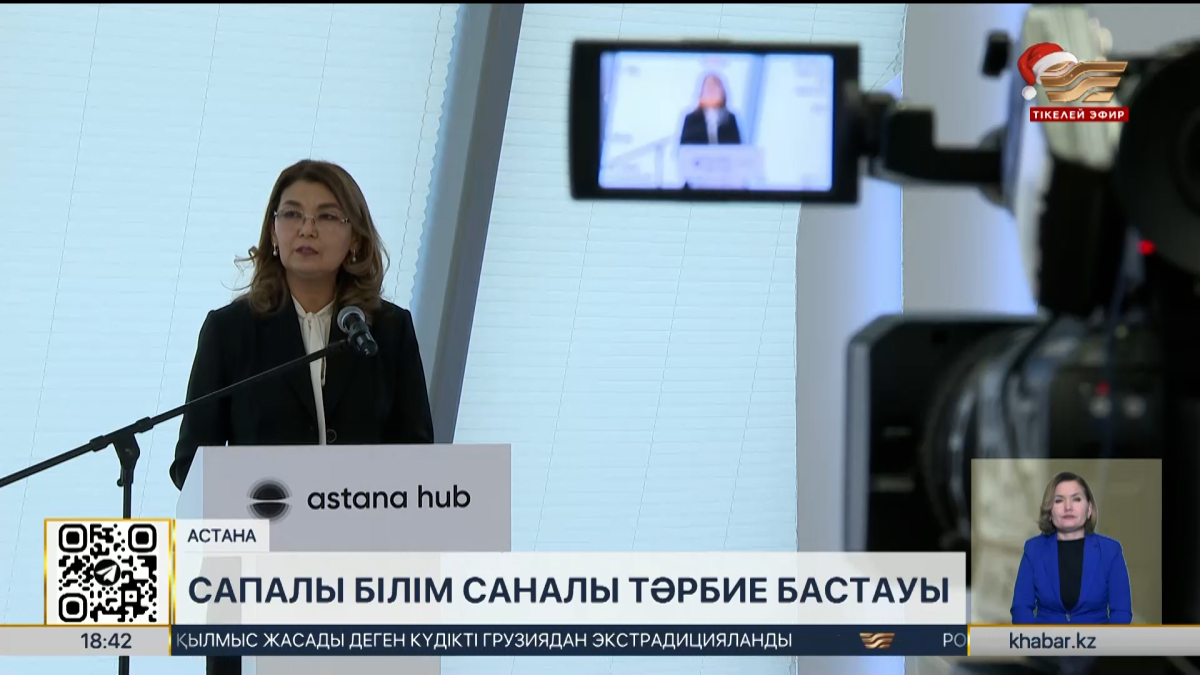
Mayra Meldebekova, First Vice-Minister of Education, said the programme addresses both the immediate shortage of places and the longer-term need to replace buildings that are in an emergency condition. She added that, in line with presidential instructions, a total of 217 new-format schools will open, providing around 460,000 pupil places nationwide.
The Keleshek School project aims to reduce the number of institutions that operate in three shifts and to provide safer, better-equipped facilities for students. New-format schools follow contemporary standards for safety, energy efficiency and learning environments, officials said, enabling regions that previously faced severe capacity constraints to expand daytime teaching.
Education authorities reported that the combined approach—constructing new schools while reforming preschool funding—seeks to smooth the transition from early years into primary education. By adding tens of thousands of pupil places, the government expects to relieve pressure on crowded schools and to improve the quality of learning by ensuring lessons are held in single shifts where possible.
Experts welcomed the focus on replacing dilapidated buildings and on increasing available places but noted that maintaining quality will require ongoing investment in teacher recruitment, professional development and school maintenance. Regional officials highlighted logistical challenges as construction and enrolment rollouts continue, including aligning opening schedules with the academic calendar and ensuring equitable access across urban and rural areas.
Ministry figures suggest the combined measures will both expand access and generate efficiencies in the education budget. The reported 21.8 billion tenge saving from the preschool voucher pilot was cited as evidence that alternative funding approaches can produce fiscal benefits while expanding provision.
As Kazakhstan proceeds with the Keleshek School project and the planned opening of additional new-format schools, policymakers say the priority remains clear: to provide safe, modern learning environments and to reduce the reliance on multi-shift schooling that has constrained educational quality in some regions.