











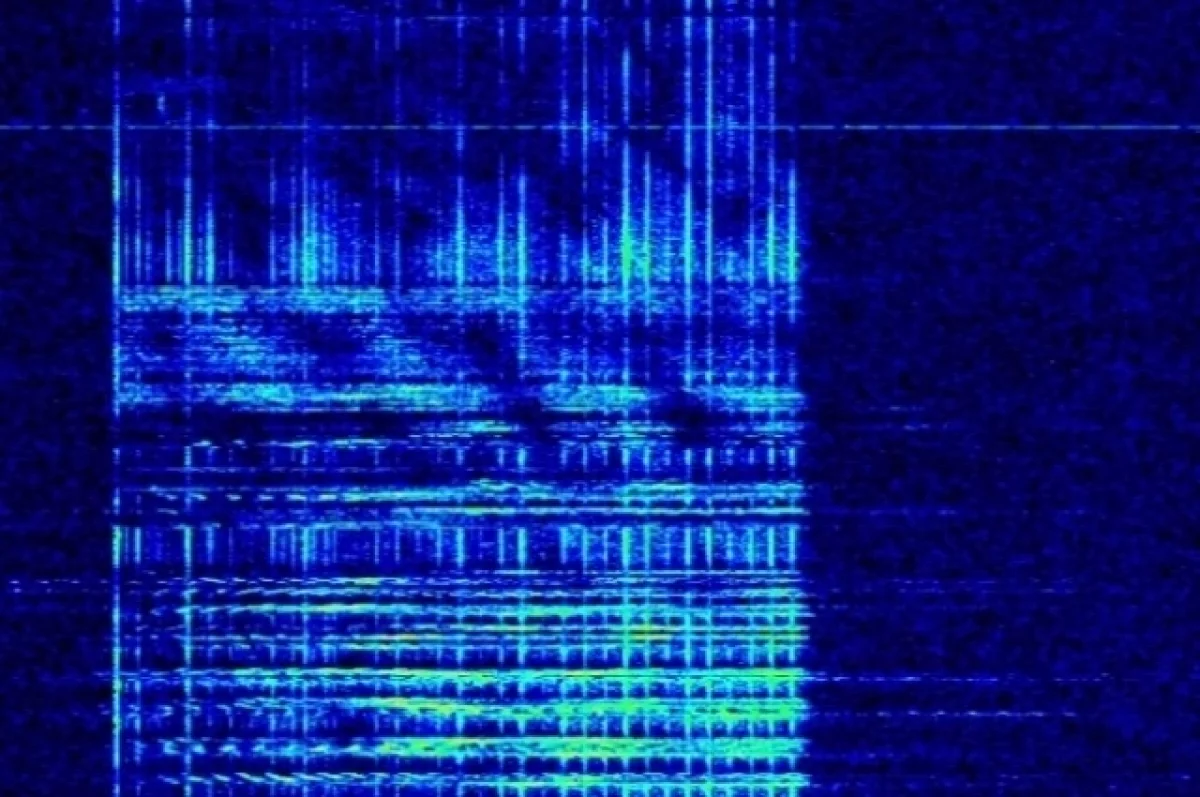
Unidentified broadcasters interrupted transmissions on the long-running Russian military shortwave station UWB-76, known among enthusiasts as The Buzzer. The station, which typically transmits a continuous buzzing tone and occasional coded words, aired a sequence of music on 30 and 31 December that included fragments of Tchaikovsky’s Swan Lake, a reworked song from The Bremen Town Musicians referencing the special military operation, and other unusual selections.
Experts who monitor the frequency told aif.ru that the musical segments were likely played by radio pranksters rather than by the regular operators of the station. “As far as we know, the music on the frequency was transmitted by radio miscreants. Why they chose that repertoire is better asked of them,” they said, adding that those who send the coded words are not the same people who played the music.
UWB-76 broadcast intrusion explained
The interruption has reignited long-standing debate among amateur radio listeners and security analysts about the station’s purpose. UWB-76, sometimes called Zhuzhzhalka or Radio Doom, has a history of transmitting short coded messages before notable events. On 20 February 2022 the station transmitted the strings “nzh ti” and “lesoled”, and shortly after the New Year, at 00:21 Moscow time on 1 January, the word “glotanye” appeared on the air.

Observers have offered several explanations for the recent broadcasts. The simplest is that unauthorised individuals overrode the feed to play music as a prank. Another possibility is a technical fault that allowed an unintended audio source onto the carrier. A third theory points to deliberate external interference or an operational test by a separate group.
Whichever explanation is correct, the incident highlights the opaque nature of UWB-76 and similar transmitters. The station’s regular buzzing tone and intermittent voice transmissions are closely tracked by hobbyists and researchers, who maintain logs and discuss anomalies online. Such communities provide the best immediate source of information when unexpected broadcasts occur.
Officials have not issued a public explanation for the musical interruption. The experts quoted by the outlet stressed the distinction between the individuals responsible for the coded signals and those who introduced music to the channel. That separation suggests the interruption might not indicate a change in the station’s operational role, though it does raise questions about frequency security.
For now, the UWB-76 broadcast intrusion remains unexplained. The event is likely to sustain scrutiny from radio enthusiasts and analysts who study signal patterns for any sign of meaning. If the music proved to be an unauthorised transmission, it underlines how even well-known military frequencies can be vulnerable to interference.
Listeners will continue to monitor the frequency for further transmissions and any possible clarification from authorities. Until more information emerges, the incident will be catalogued alongside other unexplained events in the station’s long and closely observed history.
Key Takeaways:
- Unidentified operators interrupted the UWB-76 frequency with music and altered songs over 30–31 December.
- Experts called the incident a broadcast intrusion and said different groups handle codeword transmissions and music.
- The station later transmitted the word “glotanye” at 00:21 Moscow time on 1 January, renewing debate over the purpose of such signals.
- Observers suggest pranksters, technical faults or external interference as possible causes of the UWB-76 broadcast intrusion.








