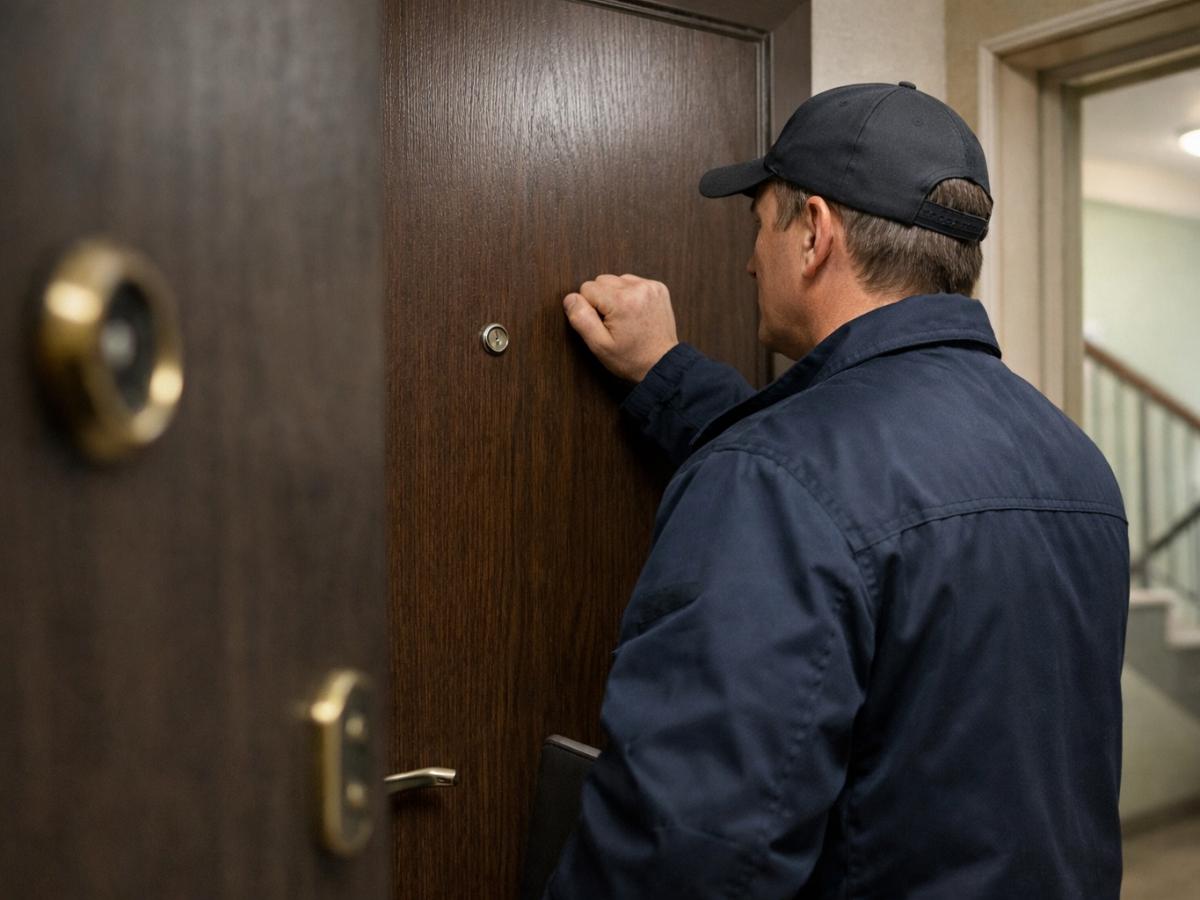
Many residents across Russian cities have grown accustomed to waiting several days for a maintenance technician, yet some faults demand immediate attention. Reporting the issue in a way that clearly signals risk to property or communal systems often prompts a faster response without confrontation, housing experts and municipal procedures show.
Emergency housing repairs
Managing companies work to statutory timelines, so routine requests are commonly scheduled for the next available slot. Leaks, malfunctioning radiators and faulty sockets are frequently logged as regular jobs and placed in a general queue. Dispatchers and repair teams prioritise according to internal rules and the assessed risk, meaning that a problem that feels urgent to a resident may not trigger immediate action unless its potential consequences are clearly stated.
One simple formulation can change how an application is handled. When callers mention a “threat of damage to property,” dispatchers will usually probe for details, confirm the address and log the case as an urgent task. In situations involving leaks that could affect communal pipes, short circuits that risk fire, or other faults that might harm shared infrastructure, technicians are more likely to be sent the same day.

This approach is not a tactic for pressure; it aligns the report with the actual level of risk. Russian managing companies are obliged to respond promptly to incidents that may cause wider damage or present safety hazards. Registering a problem as posing a risk helps the dispatcher classify the case within existing regulations and reduces the chance the request will lapse in the general workload.
Keeping control of the record is equally important. After a dispatcher logs a request, residents should ask for the application number and the exact time of registration. Without these details, complaints can become hard to track and easily lost among the volume of work. If a dispatcher refuses to provide such information, calmly request their surname and position; this often makes the exchange more formal and effective.
When a managing company fails to act, city emergency services provide an escalation route. Report the initial response, state that the managing company has been informed, and explain the risk to property. Photographs or short videos taken at the scene serve as evidence and can be attached to later complaints to the housing inspectorate if necessary.
Housing organisations also face incentives to respond swiftly. Failing to address genuine emergency situations can lead to inspections, administrative penalties and financial claims if damage occurs as a result of delay. It is usually more economical and less disruptive for a company to send a technician promptly than to deal with the consequences of a full-scale repair and possible legal action.
Practical tips for residents: clearly describe the problem and the likely consequences; use the phrasing about risk to property when it applies; record the application number and registration time; escalate to city emergency lines and preserve photographic evidence. These steps help ensure that emergency housing repairs are treated with the urgency they require while keeping the interaction professional and within regulatory boundaries.
Reported by local outlets, these recommendations give residents straightforward tools to accelerate repairs and protect communal property without resorting to conflict.
Key Takeaways:
- Use the phrase “threat of damage to property” to raise the priority of emergency housing repairs.
- Always note the request number and time to keep control of the process.
- Escalate to the city emergency line and collect photo or video evidence if the managing company does not respond.