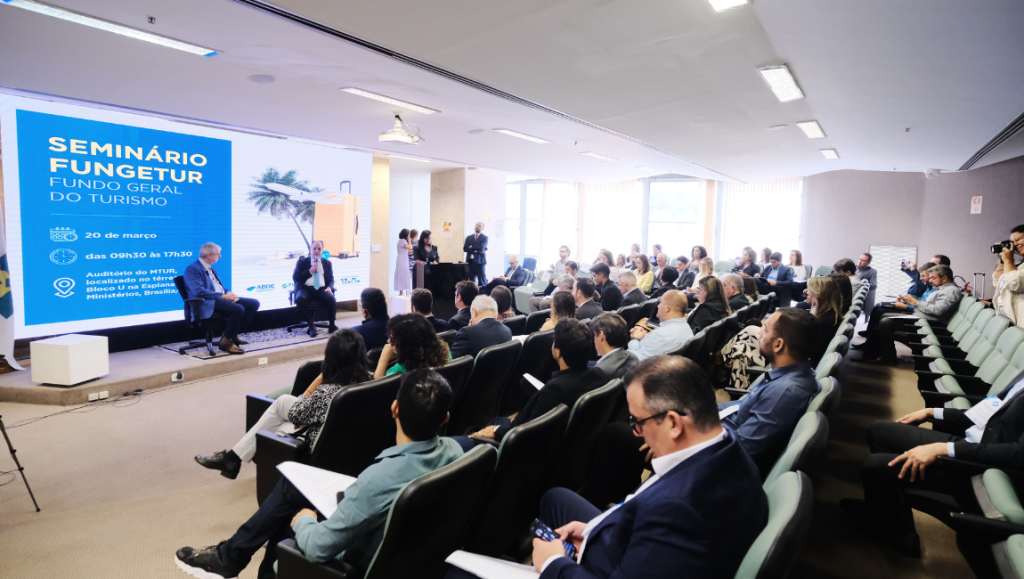
Brazil’s Ministry of Tourism has mobilised almost R$1 billion through Fungetur to support tourism entrepreneurs in 2025, reinforcing efforts to modernise services, expand sustainability measures and stimulate local economies. The funding comes alongside a series of digital and operational reforms designed to speed up guest services and promote responsible tourism.
Fungetur tourism credit boosts Brazilian travel sector
The fund aims to make credit more accessible to hotels, tour operators and small businesses across the country. Officials say the resources will support projects that increase competitiveness and encourage private investment in infrastructure and services. Ministry directors described the measures as part of a broader plan to align Brazil with global best practices while protecting local communities and environments.
One of the highest-profile changes this year was the launch of the National Digital Guest Registration form. The system replaces paper forms with a digital pre-check-in process that reduces queues on arrival and lowers administrative burdens for providers. Authentication via Gov.br ensures data security in compliance with Brazil’s General Data Protection Law (LGPD), offering both speed and legal safeguards for travellers and businesses.

Ministry representatives also highlighted the institution’s work at COP30 in Belém, where the tourism stand drew significant visitor interest. The Ministry introduced local initiatives such as two tourist buses to showcase city attractions and implemented the Lixo Zero project at Ver-o-Peso and Mercado São Brás to improve waste management practices. These actions demonstrate an emphasis on sustainable tourism that supports community well-being.
Events organised or supported by the Ministry proved influential in 2025. The Salão do Turismo reported record attendance and an increase in conferences and trade activity, while the Feirão do Turismo facilitated the sale of destinations and package deals directly to consumers. The National Tourism Award continued to recognise innovative projects, providing winners with visibility and helping them scale operations and income-generation opportunities.
Directors from key departments praised the results. The director for Quality, Sustainability and Climate Actions emphasised the gains from digitalisation and the environmental measures showcased at COP30. The director for Marketing and Events noted that the Ministry’s flagship events were the best organised and most productive of the year. The director for Planning and Development stressed that awards and recognition play a major role in formalising and sustaining entrepreneurial initiatives.
Looking ahead, the Ministry has set clear targets for 2026. New sectoral programmes will focus on qualification, formalisation, accessible tourism and security for visitors. Officials say these programmes will establish measurable objectives to guide investment and policy, providing a structured path for entrepreneurs who benefit from Fungetur credit.
The combination of substantial funding, digital reforms and sustainability projects positions Brazil’s tourism sector to grow responsibly. With targeted credit lines and supportive policies, small and medium-sized enterprises should find improved conditions to expand services, attract visitors and contribute to regional development.
Source: Ministry of Tourism. Reported by Bárbara Magalhães, Social Communication Office of the Ministry of Tourism.
Key Takeaways:
- Fungetur tourism credit will release almost R$1 billion in 2025 to support tourism entrepreneurs across Brazil.
- Digital initiatives such as the National Digital Guest Registration speed up check-in and ensure LGPD-compliant data security via Gov.br.
- Ministry-led sustainability projects at COP30 and the Lixo Zero scheme showcase environmental commitments and local promotion efforts.
- Major events like Salão do Turismo and the National Tourism Award drove record engagement and expanded commercial opportunities for destinations and businesses.