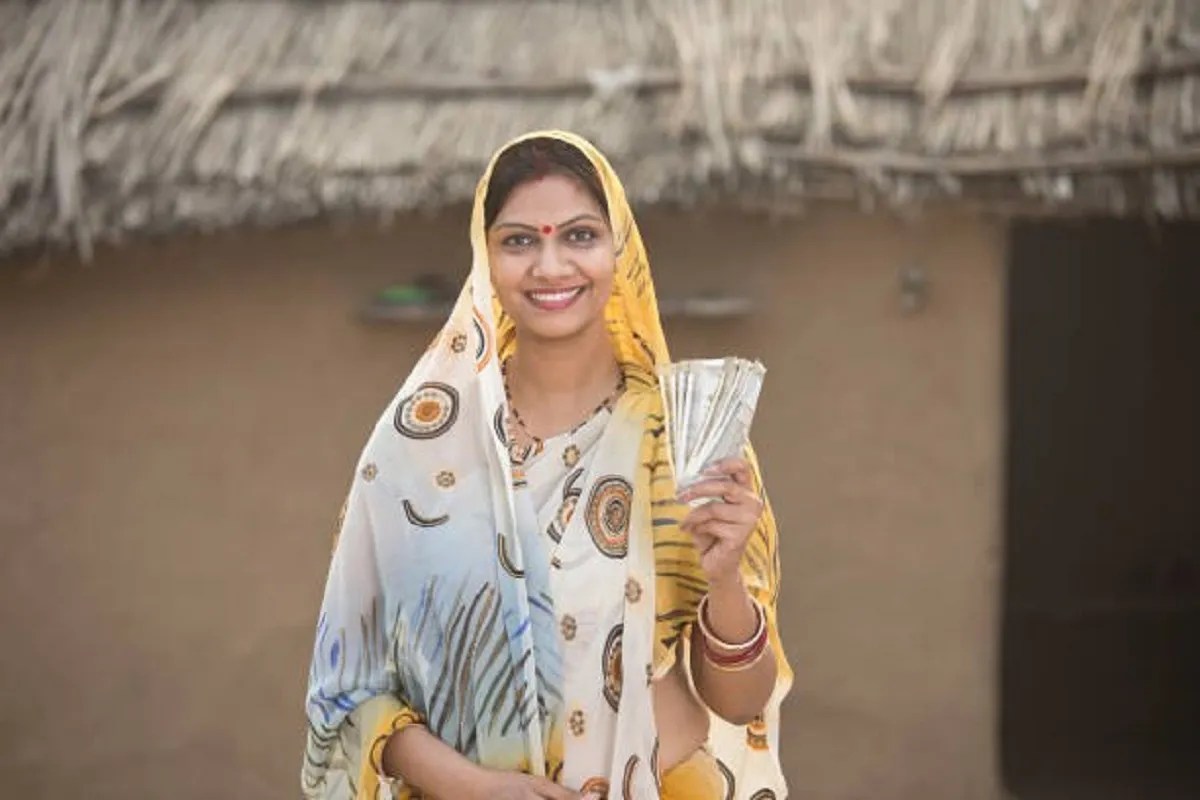
Community-led savings groups and government outreach are helping to embed financial habits among rural women in India, boosting access to formal finance and encouraging disciplined saving. Practitioners and local residents say the combination of self-help groups (SHGs), National Rural Livelihood Mission (NRLM) efforts and targeted training by non-government organisations is producing measurable behavioural changes.
Financial literacy for rural women: what works
Self-help groups have emerged as a practical vehicle for delivering financial education. By pooling small savings, making internal loans and keeping simple accounts, these groups turn abstract concepts into everyday routines. The NRLM, which supports and federates many SHGs, has also invested in training modules that teach basic budgeting, record-keeping and how to interact with banks.
“SHGs are helping women develop a habit of saving, conduct mutual transactions and maintain financial discipline,” said Lalit Mahalhari of Indore. Local accounts show that households linked to active groups are more likely to set aside small regular sums and to plan for larger expenses such as education and health.

NGOs are complementing state efforts by delivering training in local languages and adapting content to the needs of women who have low literacy or limited prior exposure to formal finance. Practical, hands-on sessions that use role-play and simplified ledgers have proved more effective than classroom-style lectures for participants who work long hours on farms or in informal labour.
Linkages with banks and microfinance institutions are essential to convert awareness into formal financial inclusion. When SHGs open group accounts, access group loans and establish credit histories, members gain confidence to use a wider range of financial products. Digital tools, when introduced carefully, can further reduce transaction costs and make savings routines easier to maintain.
Despite progress, barriers remain. Low levels of general literacy, limited mobile connectivity in some hamlets and social norms that constrain women’s mobility or decision-making can slow adoption. There is also a need for ongoing follow-up: a single training session does not reliably change behaviour over the long term.
Policymakers and development organisations can scale results by combining several approaches. First, expanding NRLM-style programmes and funding local facilitation helps to incubate new SHGs. Second, financial education should be contextualised — using vernacular materials, pictorial guides and practical exercises tied to household budgeting. Third, partnerships with banks must be strengthened so SHG members can open accounts easily and access loan products that reflect seasonal incomes.
Finally, digital literacy needs to be introduced gradually. Basic mobile-money training and the provision of community devices or trusted intermediaries can bridge the gap for women who are not yet comfortable with smartphones. Monitoring and peer-led mentoring within SHGs helps sustain new habits and spreads lessons between neighbouring villages.
The combined approach is already delivering benefits for many rural households: increased savings, better preparedness for shocks and stronger economic participation by women. As SHGs and supporting organisations scale up their efforts, financial literacy for rural women is poised to become a core component of inclusive rural development in India.
Key Takeaways:
- Self-help groups and the National Rural Livelihood Mission are driving financial literacy for rural women in India.
- Group savings, mutual lending and bank linkages increase savings behaviour and financial discipline.
- Digital training, local-language education and NGO partnerships can scale impact across more villages.