











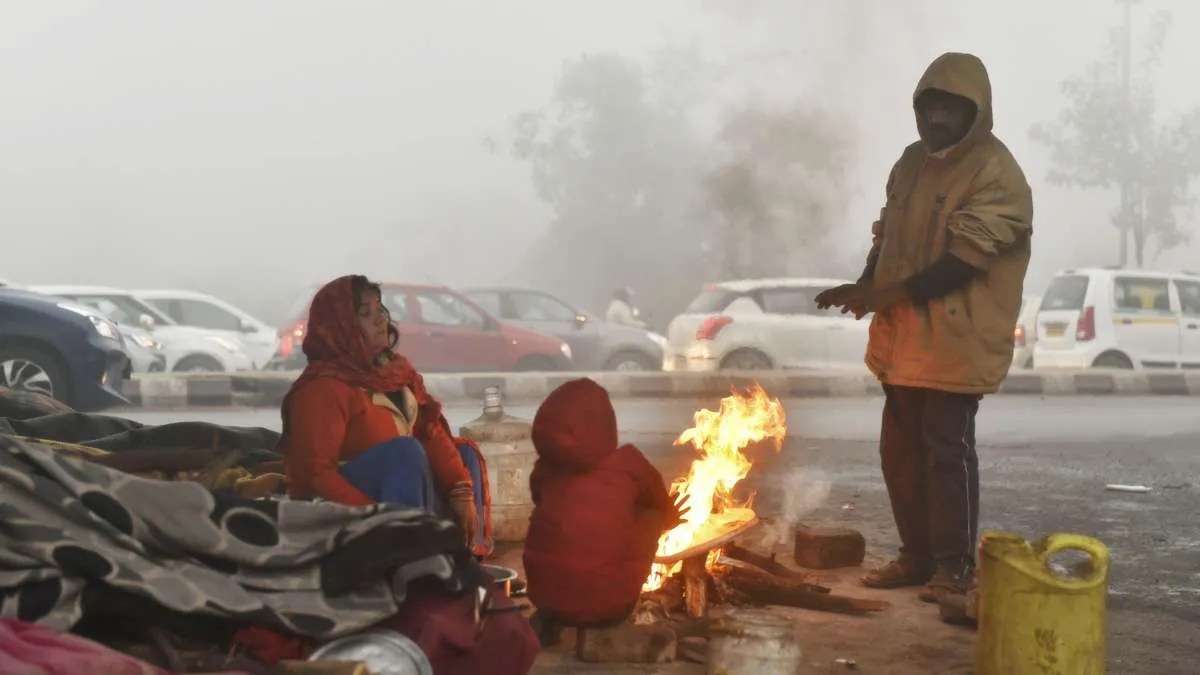
India opened 2026 under a sharp winter spell, with northern states facing intense cold and widespread dense fog while parts of the south reported unseasonal rain. The India Meteorological Department (IMD) has issued an alert that the cold will persist for several days, warning residents and authorities to prepare for continued low temperatures and restricted visibility.
India cold wave January 2026: forecast and affected regions
The IMD said a western disturbance remains active and has produced fresh snowfall over the higher reaches of the Himalayan region. Melting at lower elevations has increased humidity and led to an expansion of dense fog across the plains. Forecasters expect cold day conditions to prevail from Punjab in the west to Bihar in the east for the next four to five days.
In plains and urban centres, morning temperatures have fallen sharply and night-time lows are likely to remain well below seasonal averages. The meteorological agency has indicated the next 96 hours will be particularly severe, with repeated cold-wave spells possible in pockets of central and north India.

Madhya Pradesh could see cold-wave conditions in up to 13 districts, while the Gwalior and Chambal divisions are likely to experience prolonged dense fog, raising concerns about road and rail safety. Local administration has been asked to keep emergency services ready and to issue advisories for schools and outdoor work where necessary.
Impact on travel, health and agriculture
Dense fog is already disrupting surface transport, causing reduced visibility on major highways and delays at some railway stations. Authorities have urged motorists to drive with caution and for rail operators to adjust timetables where visibility is compromised. Airports serving the Himalayan foothills may also face intermittent delays due to low cloud and poor visibility.
Health officials warn that vulnerable groups, including the elderly, infants and people with respiratory or cardiovascular conditions, should minimise exposure to the cold and seek medical attention early if symptoms worsen. The IMD and state health departments advise wearing adequate warm clothing, keeping living spaces ventilated yet warm, and ensuring uninterrupted heating for those dependent on it.
Agriculture officers have cautioned that prolonged cold and sudden temperature swings can damage standing rabi crops and immature fruit orchards. Farmers have been urged to take protective measures such as covering sensitive plants and monitoring irrigation to limit frost damage where possible.
What to expect next and precautions
The IMD will continue to monitor the western disturbance and issue updates. Residents in affected regions should follow official advisories on road travel, school closures and health guidance. Local authorities are likely to keep emergency shelters and warming centres ready where prolonged low temperatures threaten the well-being of homeless and marginalised populations.
For the south, intermittent, unseasonal rainfall may persist in isolated pockets, but the major weather story for the coming days remains the sustained cold across north and central India. Individuals and organisations should plan for continued disruption to transport and daily routines while heeding guidance from meteorological and health authorities.
Key Takeaways:
- India cold wave January 2026: IMD warns of a prolonged spell of severe cold and dense fog across northern states.
- Western Disturbance brings fresh snowfall in the mountains, increasing thaw and fog in the plains.
- Cold day conditions expected from Punjab to Bihar for the next 4–5 days; 13 districts in Madhya Pradesh at risk of cold wave.
- Authorities urge precautions for travel, vulnerable groups and agriculture.








