Key Takeaways:
- Supreme Court has stayed its earlier order and directed a fresh, independent review of the Aravalli definition amid conservation concerns.
- Experts warn that the Centre’s 100 metre definition risks opening ecologically vital lands to mining and development.
- Officials stress safeguards such as a moratorium on new leases and court-mandated mapping before any mining decisions.
- Save Aravalli campaigners demand a cumulative environmental and social impact assessment to protect water, wildlife and local economies.

The Supreme Court has ordered a fresh review of the definition of the Aravalli mountain range, a move that has calmed some and alarmed others across Delhi, Haryana, Rajasthan and Gujarat. A vacation bench led by Chief Justice Surya Kant stayed the November 20 order that accepted a revised definition, saying clarifications and an independent expert opinion are required before implementation.
Save Aravalli: Why the Definition Matters
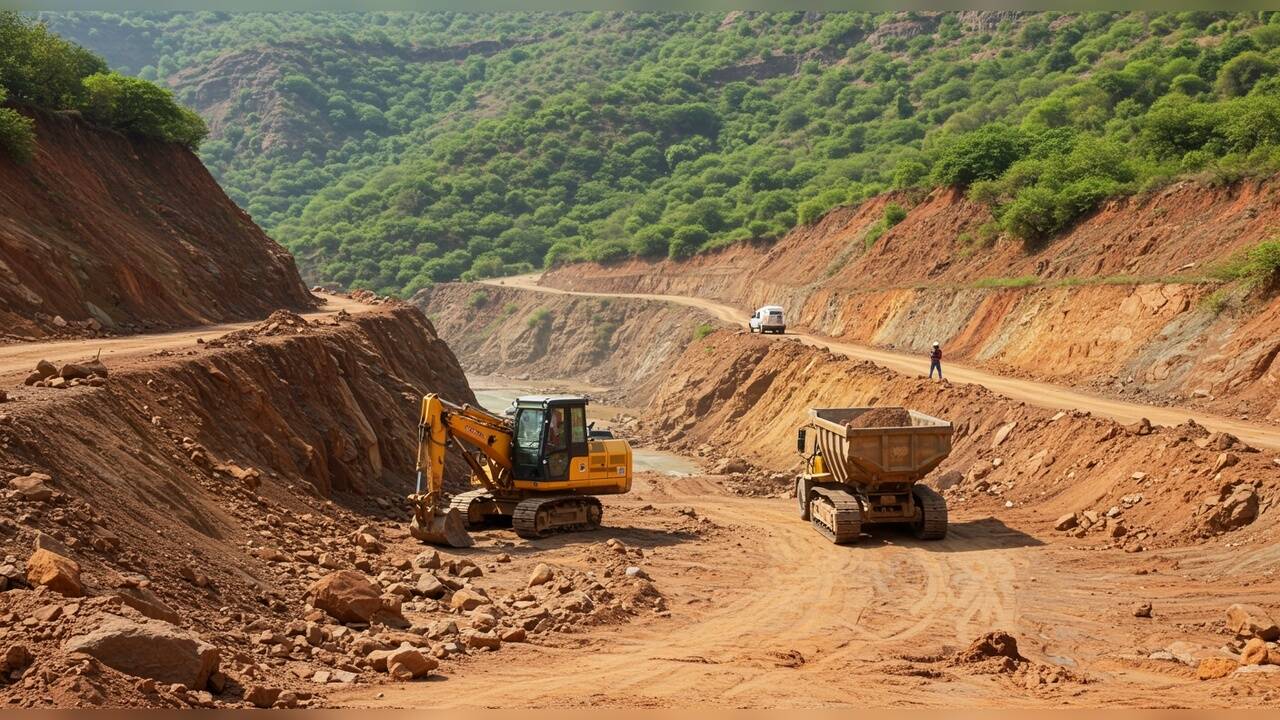
The dispute centres on a proposed benchmark establishing any landform with an elevation of 100 metres or more above local relief as Aravalli hills. Environmentalists say this height criterion fragments the range and could exclude many ecologically important tracts. Government officials argue the definition offers a uniform scientific benchmark and that no fresh mining leases will be granted until mapping is complete.
Professor Rajendra Singh, the Waterman of India and a long-time campaigner against mining in the region, welcomed the court’s stay. He urged that the review panel include a majority of independent experts, proposing a two-thirds to one-third ratio in favour of specialists over government nominees. Singh warned that an altered definition would risk the Aravalli losing its geological identity and open a damaging precedent for other ranges.
Activists and ecologists emphasise the Aravalli’s role beyond height. The range acts as a recharge zone for groundwater, a buffer against desertification and a corridor for biodiversity. Critics say height-based criteria ignore ecological connectivity and continuous low-elevation areas that sustain hydrology and wildlife.
The government stresses safeguards. Union Environment Minister Bhupendra Yadav said the Centre remains committed to protecting and restoring the Aravalli. He noted that a complete ban on new mining leases or renewals remains in place for now and highlighted a list of court-mandated safeguards including mapping, protection of core ecological zones and restoration initiatives such as the Aravalli Green Wall.
Concerns extend beyond biodiversity. Campaigners warn that mining could release heavy metals and other contaminants into air and groundwater, threatening public health and agriculture. There are economic implications too. The range supports tourism destinations such as Sariska and Ranthambore and sustains local communities. Disturbance could reduce tourist revenues and harm tribal and farming livelihoods across Rajasthan and neighbouring states.
What happens next will hinge on the court-appointed panel’s composition and remit. Experts and activists are calling for a cumulative environment and social impact assessment for the entire range rather than piecemeal studies. They want scientific mapping to prioritise ecological connectivity as well as elevation and to ensure any permitted activity follows strict, enforceable sustainable mining norms.
The Aravalli controversy sits between reassurance and worry. Officials insist the mapping is intended only to establish a consistent benchmark and point to safeguards. Critics counter that once ecological boundaries shrink, recovery is difficult. For campaigners and scientists the question is simple: will policy protect the Aravalli’s capacity to supply water, preserve biodiversity and moderate the climate for millions who live nearby?
Until the review is complete and independent assessments are published, the debate will continue. The real test will be whether authorities translate scientific findings into firm protections rather than incremental clearances decided one file at a time.