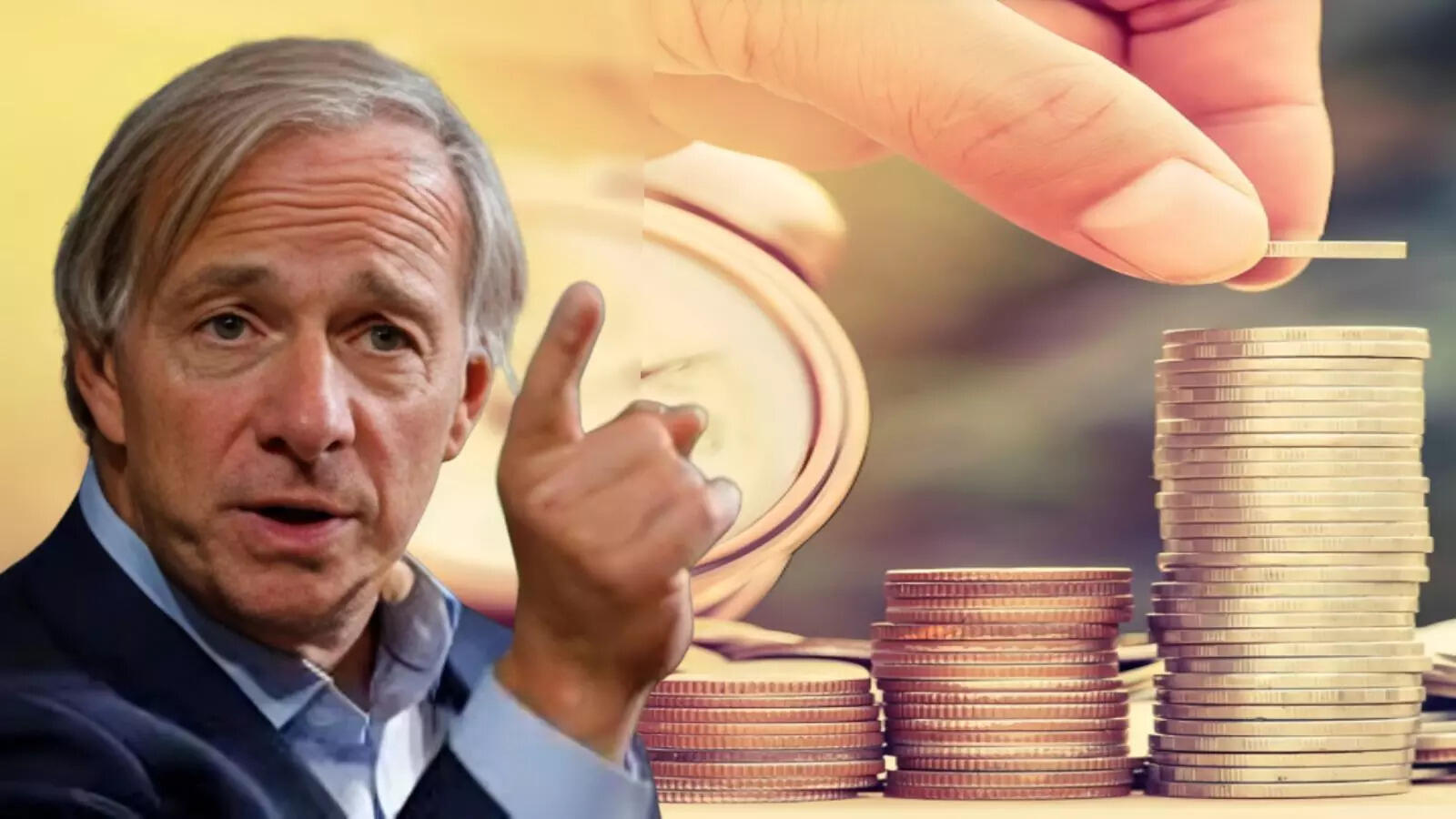
Global investor Ray Dalio has offered a cautious but optimistic assessment of India’s economic prospects while flagging three major risks that investors should not ignore. Speaking through commentary analysed by Alok Jain of Weekend Investing, Dalio argues that structural imbalances in global finance are creating vulnerabilities even as India looks well placed for the next decade.
Ray Dalio warnings India and what they mean
Dalio’s first warning is a distinction between assets and money. He points out that asset prices — equities, real estate and other investments — have risen far faster than the money that underpins transactions in the real economy. When asset prices diverge significantly from the monetary base that supports them, markets become fragile. History shows that such divergences have preceded major downturns, from the Great Depression to the dot‑com crash. The risk is that, in stressed conditions, the apparent value of many holdings is only on paper; when many sellers rush to convert assets into cash, liquidity evaporates and prices collapse.
The second warning reframes money as a form of debt. Dalio emphasises that modern fiat currencies are liabilities of governments and central banks rather than stores of intrinsic value. Decades of rising sovereign and private debt, together with monetary expansion, have left many economies with debt burdens that outpace annual output. That pressure erodes purchasing power over time and elevates the appeal of non‑fiat assets such as gold, which are not someone else’s liability.

His third point concerns risk and portfolio construction. Dalio disputes the idea that higher returns always require taking larger concentrated risks. Instead he advocates diversifying into assets that are genuinely uncorrelated. Many portfolios that appear diversified are in fact exposed to the same systemic risks; when markets fall, correlated positions decline together. Dalio’s approach prioritises avoiding large losses, which in turn helps preserve the ability to recover and compound returns over the long term.
Despite these warnings, Dalio remains positive about India. He sees India’s infrastructure build‑out and a youthful, increasingly skilled population as powerful drivers of growth in the coming decade. For investors this combination of opportunity and risk means that a nuanced strategy is needed: backing India’s growth story while remaining alert to global liquidity constraints and monetary pressures.
Practical takeaways for investors include assessing liquidity risk in portfolios, recognising the inflationary and currency pressures that heavy indebtedness can produce, and pursuing genuine diversification across asset types and geographies. Holding some assets that are not tied to sovereign liabilities can act as a hedge against currency depreciation.
In short, Ray Dalio’s warnings are both a caution and a guide. They do not negate India’s growth potential, but they underscore the importance of measured risk management. Investors who balance conviction in India’s long‑run prospects with strategies to limit downside exposure are more likely to navigate the next cycle successfully.
Key Takeaways:
- Ray Dalio praises India’s long-term growth potential while warning of global financial risks.
- Key warnings: assets are not the same as money, money functions as debt, and risk must be managed through uncorrelated diversification.
- Investors should understand liquidity risks and inflationary pressure from high debt levels.
- India’s infrastructure and young workforce give it resilience but careful risk management is crucial.