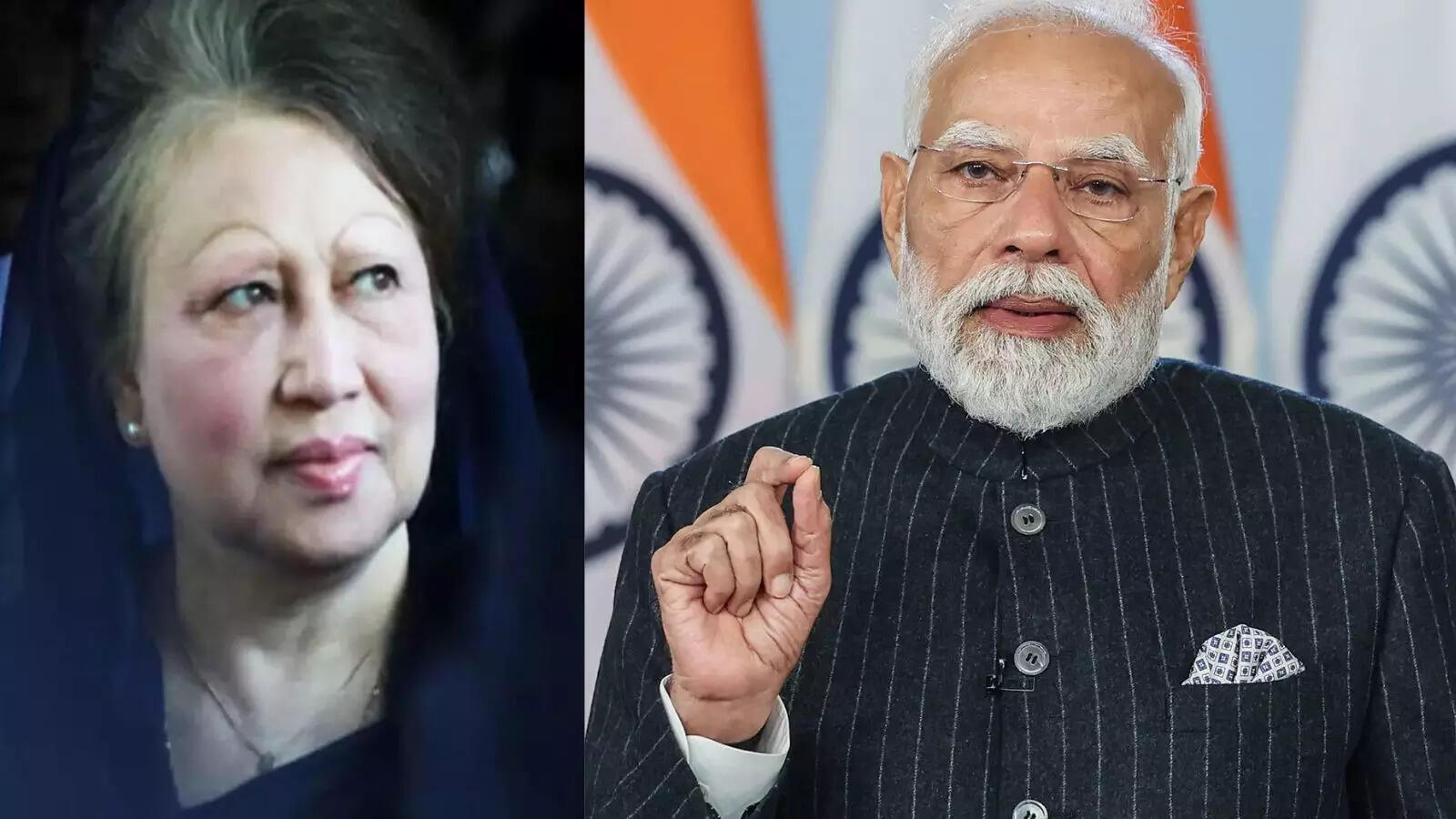
India’s Prime Minister Narendra Modi has offered his deep condolences to the people of Bangladesh following the death of former prime minister Begum Khaleda Zia on the morning of 30 December 2025. The Indian foreign minister, S. Jaishankar, travelled to Dhaka to attend the funeral rites and personally delivered Mr Modi’s letter to Ms Zia’s son, Tarique Rahman, the acting chair of the Bangladesh Nationalist Party (BNP).
Modi condolence to Bangladesh underscores close ties
In his message, Mr Modi described Ms Zia’s passing as creating “a void that cannot be filled,” while affirming that her vision and legacy will endure. The prime minister recalled his meeting with Ms Zia in 2015 and highlighted her role as Bangladesh’s first woman prime minister and a leader of steadfast conviction. Mr Modi’s letter underlined her contributions to Bangladesh’s development and to strengthening India–Bangladesh relations.
The condolence letter expressed confidence in the BNP’s ability under Tarique Rahman’s leadership to carry forward Ms Zia’s ideals. Mr Modi also extended his sympathies to the people of Bangladesh and prayed for national unity, peace and continued democratic traditions. He conveyed personal sympathies to the bereaved family and wished them strength during the difficult period.

According to Bangladeshi media, Mr Jaishankar handed over the letter and spent time meeting Mr Rahman and other family members. Indian officials said the decision to send the foreign minister reflected New Delhi’s respect for Ms Zia’s political stature and the longstanding ties between the two countries.
Ms Zia was laid to rest on 31 December beside the grave of her husband, former president Ziaur Rahman. Thousands attended the funeral, marking the end of a distinct political chapter in Bangladesh’s post-independence history. Her passing prompted tributes across the political spectrum and reflections on the decades in which she shaped national politics.
Analysts say the Indian government’s prompt and personal expression of sympathy is consistent with a diplomatic approach that seeks to maintain constructive relations with Dhaka across successive administrations. While Bangladesh’s domestic politics remain contested, New Delhi has emphasised the value of bilateral cooperation on trade, connectivity and regional stability.
Mr Modi’s letter concluded with a prayer for Ms Zia’s soul and a message of support for her family. It also described hope that the shared values between the two nations would continue to guide closer partnership. With the burial and public mourning completed, attention now turns to how political leaders and parties within Bangladesh will honour her legacy while moving forward.
Foreign Minister Jaishankar’s presence at the funeral — and India’s formal condolence — are likely to be seen in Dhaka and in regional capitals as a reaffirmation of the close diplomatic engagement between the two neighbours even amid shifting domestic politics.
Key Takeaways:
- Modi condolence to Bangladesh conveyed by Foreign Minister S. Jaishankar following the death of former prime minister Khaleda Zia.
- Modi described the loss as an irreplaceable void while praising Zia’s leadership and contribution to Bangladesh’s development.
- India urged continuation of shared values and deeper India–Bangladesh partnership under BNP leadership.