











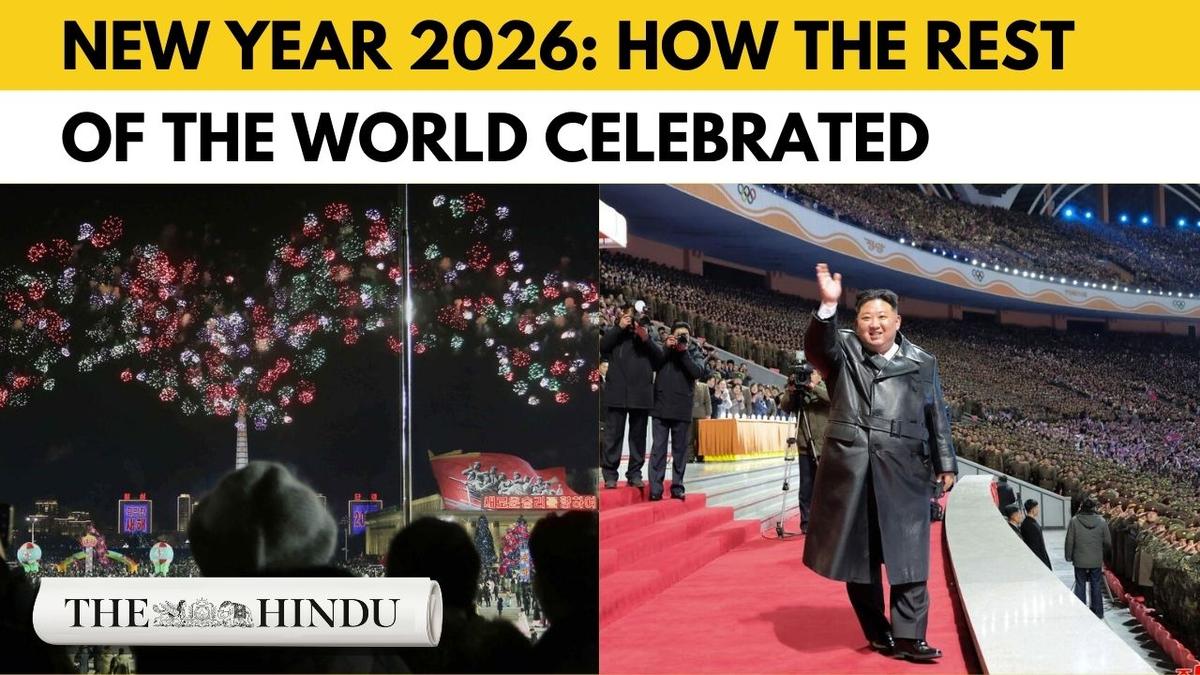
Communities around the world welcomed 2026 with a wide variety of observances that reflected local customs, recent history and public mood. While some cities lit up the sky with fireworks and staged large outdoor parties, others marked the turn of the year with quiet prayer services and moments of remembrance for those lost over the past year.
New Year 2026 celebrations
In many urban centres, public displays remained the focus. Authorities organised official fireworks and countdown events to give residents and visitors structured, safe spaces to gather. These gatherings provided a chance for people to meet in public squares and riverfronts, where municipal planners emphasised crowd control and emergency preparedness to reduce the risk of accidents.
At the same time, a notable number of communities chose a more reflective approach. Religious leaders across faiths led services that combined thanksgiving with prayers for the year ahead. Memorial observances recognised families and communities still grieving losses from recent crises, offering a quieter but no less significant way of marking the passage of time.

Local responses often reflected cultural traditions. In some places, street parties and live music dominated the night, sustaining livelihoods for performers and hospitality workers. In other areas, cultural or faith-based gatherings prioritised rituals and family time, with smaller, private celebrations replacing large public events.
Environmental and safety concerns featured in planning across many countries. Several municipalities encouraged low-noise or reduced-pyrotechnic displays to protect pets, wildlife and people sensitive to loud explosions. Others highlighted public transport schedules and advised residents to plan their journeys in advance to avoid congestion and ensure safe travel home.
Authorities and community groups also used the occasion to remind the public of basic safety measures. Campaigns urged attendees to stay hydrated, look out for vulnerable people in crowds, and make use of designated first-aid points. For many emergency services the New Year period remains a test of logistical coordination between police, health services and local councils.
Despite the variety of approaches, a common thread ran through celebrations: a desire to pause and mark a fresh start. For those in diaspora communities, the night was an opportunity to combine regional customs with local traditions, creating hybrid observances that speak to global connections.
Video and photographic coverage from the night captured both spectacle and intimacy. Wide shots showed fireworks and large gatherings, while close-ups recorded whispered prayers, candlelit vigils and small family groups sharing quiet moments. The contrast served as a reminder that public jubilation and private reflection can coexist in the same turning of the calendar.
As cities settle into the first days of 2026, organisers and community leaders are already taking stock. They will assess what worked in crowd management, how environmental concerns were handled and how best to support both large public events and quieter community observances in the years ahead. For now, the varied ways people marked the night underline the ongoing diversity of cultural practice and the different ways societies choose to greet a new year.
Key Takeaways:
- New Year 2026 celebrations ranged from large public fireworks and street parties to quiet prayer services and moments of remembrance.
- Major cities balanced public festivities with solemn observances, reflecting diverse cultural and religious practices.
- Authorities managed crowd safety and environmental concerns while communities prioritised reflection and family gatherings.








