











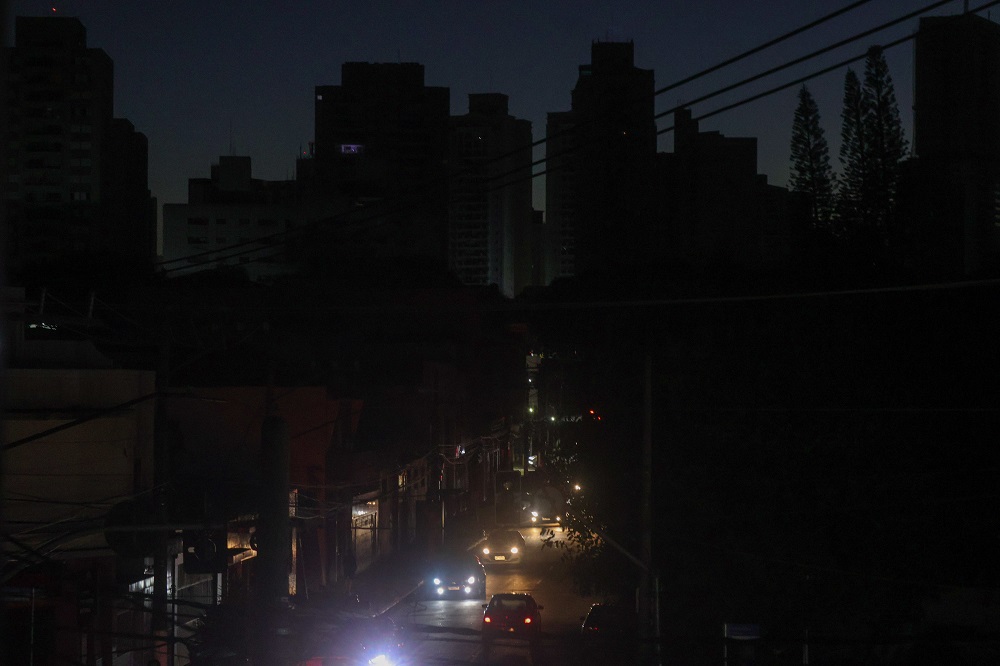
São Paulo, Brazil’s largest city, is confronting a stark choice this summer as severe heat and shrinking reservoir levels combine with storm-related power outages. Residents in several neighbourhoods are already experiencing interruptions to water supplies, while the region remains vulnerable to blackout risks when heavy rains arrive.
São Paulo water and energy crisis
The twin problem has a straightforward dynamic. Reservoirs that supply the city need sustained rainfall to recover. Yet intense storms and strong winds that would replenish water stores frequently cause damage to the electricity network, leaving thousands without power. The result is a civic dilemma: heavy rain can restore water levels but can also trigger outages; without rain, water supplies dwindle.
For a metropolis that is both Latin America’s largest capital and one of the world’s major economic centres, the situation is unacceptable. Households, hospitals and businesses depend on continuous access to clean water and reliable electricity. Short-term coping measures such as emergency water deliveries and local generators provide relief, but they are expensive and unsustainable at scale.

Local authorities and utility operators can take a sequence of practical steps to reduce the city’s vulnerability. On water management, priority actions include expanding storage capacity to smooth seasonal variation and upgrading treatment plants so they can process larger volumes efficiently. Modernisation of ETAs, coupled with investment in pipeline replacement and leak detection, would reduce losses and extend service reach. Municipalities should also accelerate programmes for treated reuse water where suitable, to preserve potable supplies for essential uses.
In parallel, the electricity distribution model requires bolstering. The distribution company must increase rapid-response crews to shorten outage times when storms damage lines. Joint planning between the city and the distributor should expedite tree pruning on vulnerable corridors and adopt clearer scheduling so residents can anticipate works. Technical upgrades to the distribution grid, including selective undergrounding in critical areas and reinforcement of pole and line standards, would reduce the frequency of weather-related failures over time.
Funding and governance are central. Many solutions demand capital and a long-term programme of works. Public investment, regulatory incentives and partnerships with the private sector will be necessary to finance major projects. Transparency on priorities, timelines and expected benefits will help secure public support and ensure resources are directed where they yield the greatest resilience.
Policymakers should also prioritise low-cost, high-impact measures that can be implemented rapidly. Improving leak detection, offering incentives for water-efficient appliances, and establishing fast-track permitting for critical restoration work would deliver immediate gains while larger projects are underway.
Ultimately, the São Paulo water and energy crisis highlights the need to treat water and electricity as co-dependent essentials rather than separate policy silos. Coordinated planning, reliable operational capacity and clear investment strategies can prevent future summers from forcing residents to choose between water and power. In the immediate term, practical steps and decisive leadership will determine whether the city can keep services running when it matters most.
Key Takeaways:
- São Paulo residents confront a trade-off between water scarcity and storm-related power outages.
- The article proposes infrastructure fixes including new storage, modernised treatment plants and pipeline replacement.
- Electricity response needs faster restoration teams and accelerated tree pruning in partnership with Enel and the city.
- The São Paulo water and energy crisis demands urgent investment and coordinated planning to protect households and businesses.








