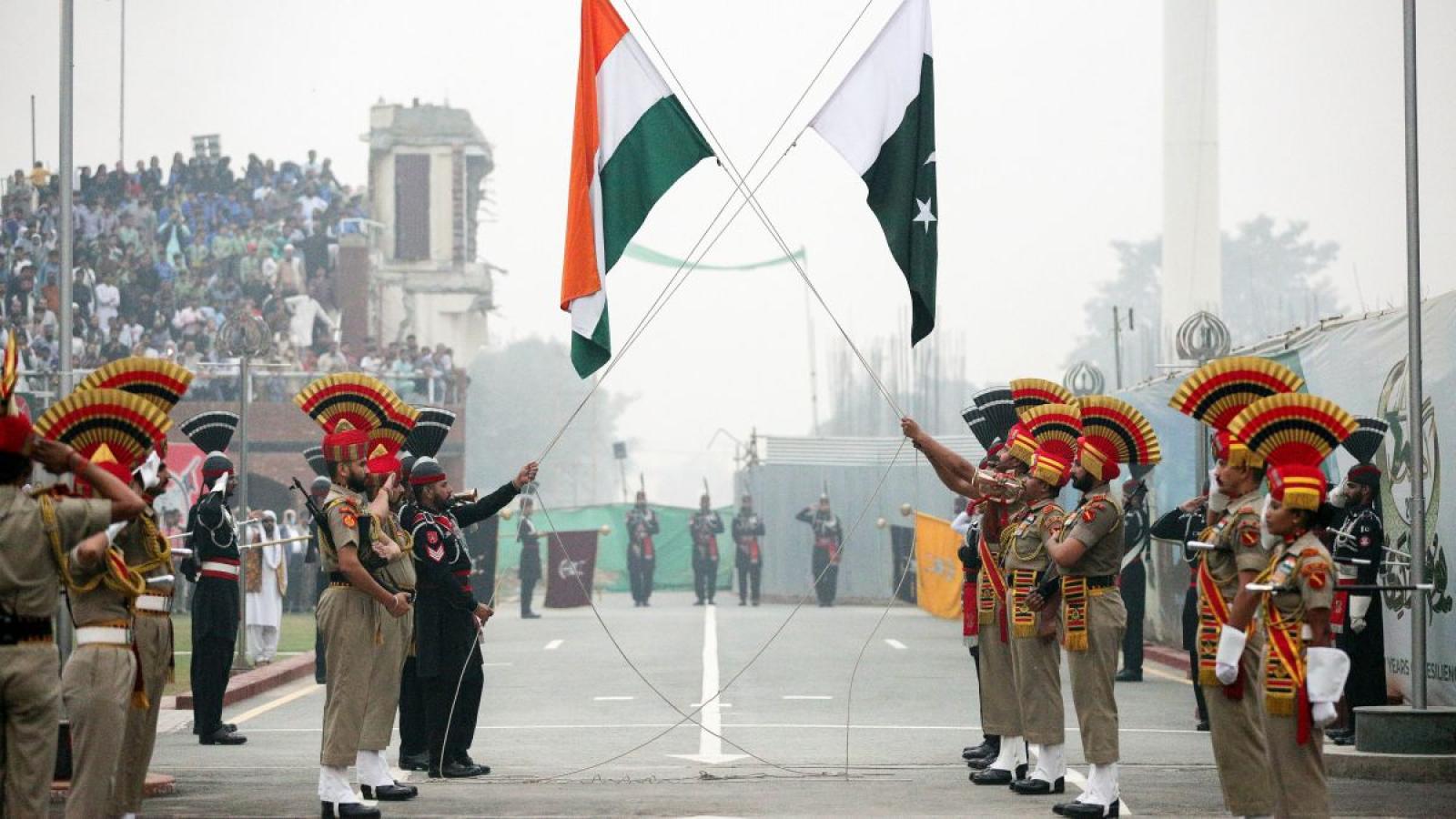
India and Pakistan on Thursday carried out their annual exchange of lists of nuclear installations and facilities that are protected from attack under a bilateral agreement signed in 1988. The simultaneous exchanges were transmitted through diplomatic channels in New Delhi and Islamabad, marking the 35th consecutive year the two neighbours have notified each other as required by the pact.
India Pakistan nuclear installations
The agreement on the prohibition of attack against nuclear installations and facilities came into force in January 1991. It obliges both countries to submit details of installations to be covered under the treaty on the first day of each calendar year. The Ministry of External Affairs said the lists were exchanged despite overall bilateral relations remaining under a deep freeze following the military confrontation in early May.
Officials said the exercise is a routine, technical and confidence-building measure designed to reduce the risk of inadvertent escalation during periods of heightened tension. By reaffirming the status of declared nuclear sites, Delhi and Islamabad maintain channels that help preserve nuclear safety and prevent attacks on civilian nuclear infrastructure.

In parallel with the nuclear lists, the two governments also exchanged lists of prisoners and fishermen held in each other’s custody, in line with the 2008 Agreement on Consular Access that requires such exchanges twice a year on 1 January and 1 July. India shared names and details of 391 civil prisoners and 33 fishermen who are Pakistani or believed to be Pakistani. Pakistan provided details of 58 civil prisoners and 199 fishermen who are Indian or believed to be Indian.
New Delhi urged Islamabad to expedite the release and repatriation of 167 Indian fishermen and civilian prisoners who have completed their sentences. India also sought immediate consular access to 35 civilian prisoners and fishermen currently in Pakistani custody and asked Pakistan to ensure the welfare and security of all Indian and believed-to-be-Indian detainees pending their release.
The External Affairs Ministry highlighted the government’s ongoing efforts to secure returns from Pakistan. Since 2014, the Indian government says it has achieved the repatriation of 2,661 Indian fishermen and 71 Indian civil prisoners, including 500 fishermen and 13 civilian prisoners repatriated since the start of 2023.
Diplomats and analysts say the exchanges underscore the limited but important mechanics of bilateral engagement that survive even when broader ties deteriorate. Such mechanisms aim to limit the humanitarian impact on individuals detained abroad and to maintain basic safeguards around nuclear facilities that serve both countries’ and regional security interests.
While the broader political relationship remains tense and subject to rapid shifts, the maintenance of these agreements provides a channel for routine co-operation. Observers noted that continuing the practice of notifying nuclear sites, and the simultaneous handling of consular matters, reduces uncertainty and contributes to risk management amid a fraught bilateral environment.
Key Takeaways:
- India and Pakistan carried out the annual exchange of lists of nuclear installations under the 1988 pact, marking the 35th consecutive year.
- The simultaneous diplomatic exchange took place despite strained ties after the May military confrontation.
- Both sides also swapped prisoner and fishermen lists; India urged Pakistan to expedite repatriation and consular access.
- The move reinforces nuclear safety protocols and reduces risks of inadvertent escalation.