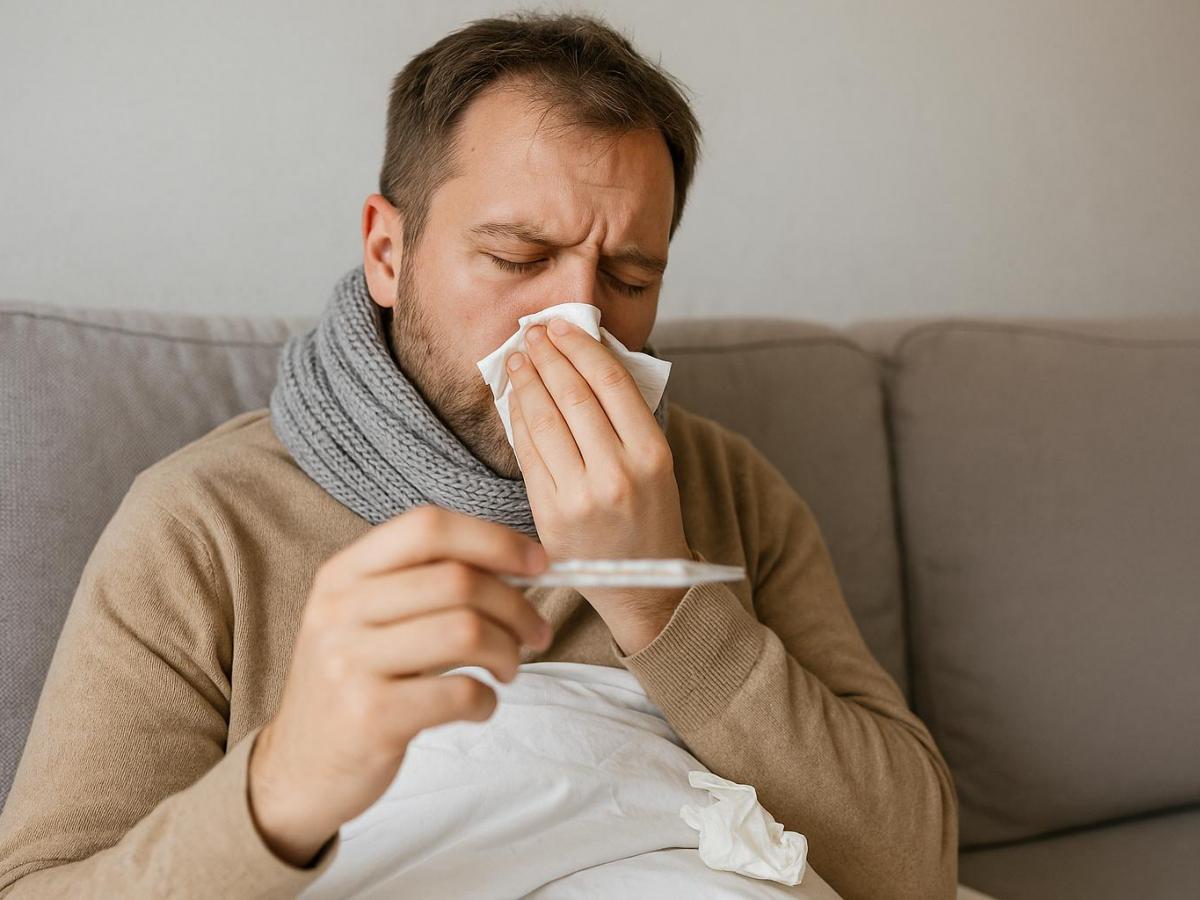
Russian health specialists say the current dominance of H3N2 influenza is likely to ease as population immunity builds, and they expect influenza B to become more prominent in the later part of the season. The shift could take place between late February and early March, according to laboratory and clinical experts.
Russia flu season outlook
At present most confirmed cases in Russia are caused by influenza A of the H3N2 subtype, often referred to as the Hong Kong flu. Lyubov Stankevich, director of laboratory medicine and production at LabQuest and Q-Clinic, said the virus has likely passed its peak. As more people recover or receive vaccination, the level of collective immunity rises and H3N2 finds it harder to spread.
“We regularly see one variant dominate early in the season before it is replaced by another that is better adapted to current conditions,” Stankevich said. She and other epidemiologists project a noticeable decline in H3N2 cases by the end of January or the start of February.

Historical surveillance across multiple seasons shows influenza B seldom dominates at the outset. It typically becomes active in the second half of the epidemic period. For that reason clinicians are preparing for a potential increase in B-type infections toward the end of February or in early March.
One key feature of influenza B is the potential to infect people who have already had influenza earlier in the same season. Immunity is type- and subtype-specific, so recovery from H3N2 does not guarantee protection against influenza B. “Patients who fell ill with flu in November or December can be reinfected later if a different virus circulates,” Stankevich warned.
Therapist Alexander Pankovetsky noted that viruses of type A are also highly mutable, and even within a subtype mutations can allow the virus to evade some immune responses. He said repeat infections are possible but are often milder because of partial immunity.
Transmission remains primarily via respiratory droplets produced when an infected person coughs, sneezes or talks. The virus can also survive for some time on frequently touched surfaces such as door handles, handrails and shared crockery. Contaminated hands transfer the virus to mucous membranes of the eyes, nose or mouth.
The incubation period is typically one to two days, although it can occasionally extend up to three days. Infectiousness is highest in the first two to three days after symptoms appear; patients may continue to shed virus for about a week even as symptoms ease.
Clinically, influenza often begins suddenly with high fever that can reach 39–40°C, severe chills, profound weakness and muscle and joint pain. Headaches concentrated around the forehead and eyes are common. Respiratory symptoms such as cough, sore throat and runny nose tend to develop later. These signs require prompt attention in young children, older adults and people with chronic illnesses.
Health authorities advise straightforward measures to reduce the risk of infection: regular handwashing with soap or hand sanitisers, avoiding close contact with people showing respiratory symptoms, ventilating indoor spaces and maintaining comfortable humidity levels. Those who develop symptoms are urged to stay at home and consult a medical professional.
As the season progresses, monitoring will continue to track shifts in dominant strains and to inform vaccination and treatment strategies. For now, clinicians emphasise vigilance and routine prevention as the best protection during the Russia flu season.
Key Takeaways:
- H3N2 (Hong Kong) influenza activity in Russia is expected to fall by late January to early February, creating space for other strains.
- Experts warn influenza B could gain prominence in the second half of the season, with cases possibly rising in late February to early March.
- Immunity to one influenza type does not guarantee protection against another, so reinfection remains possible.
- Standard precautions — hand hygiene, ventilation and staying home when unwell — remain the best defence during the Russia flu season.