PAS has insisted that its refusal to take up positions on the new Perlis state executive council is a matter of party principle and solidarity, not a challenge to the Perlis palace. The party said its actions were intended to signal disagreement with the conduct of several assemblymen that precipitated the resignation of the former Menteri Besar, PAS’s Shukri Ramli.
Perlis PAS exco decision and political context
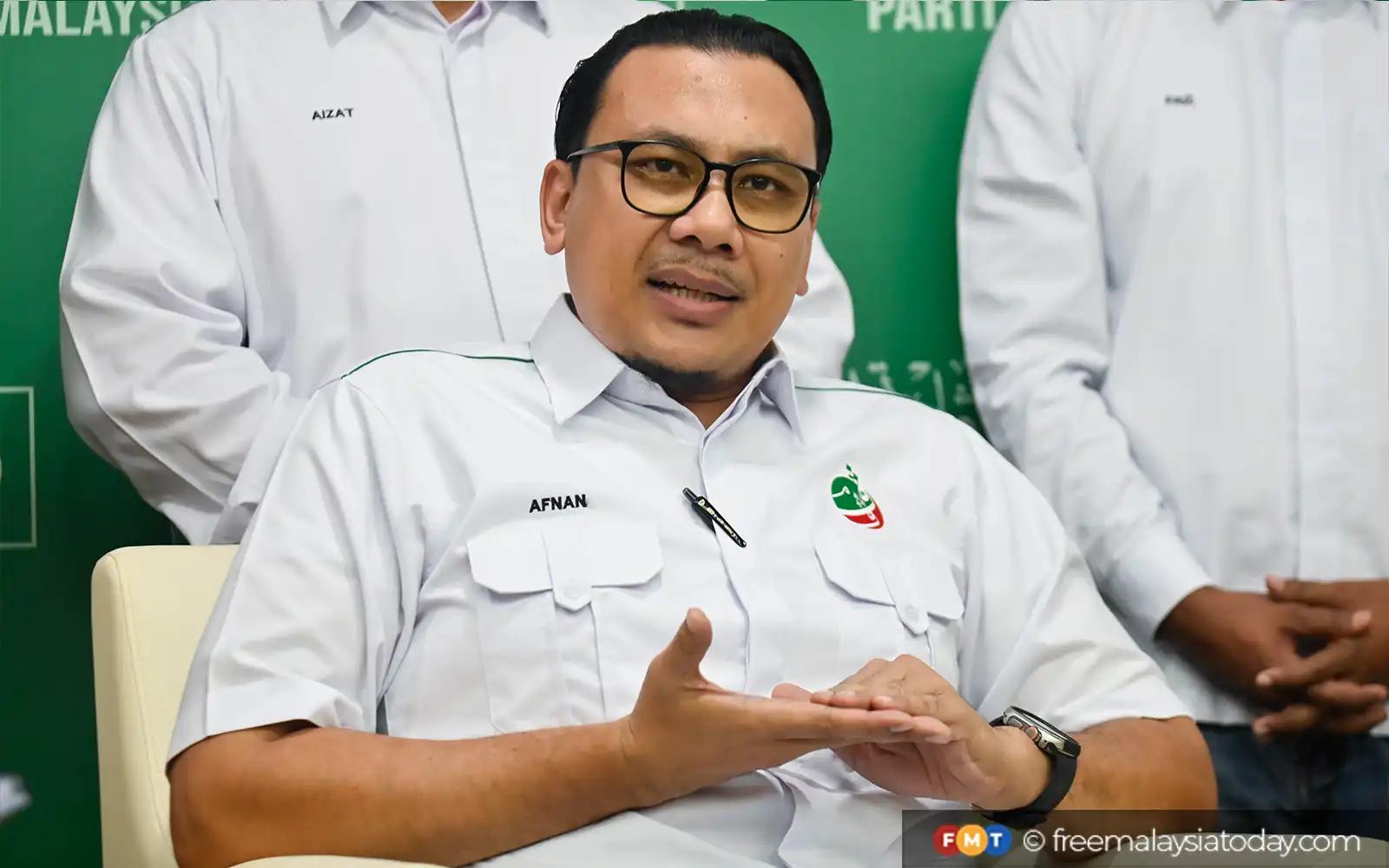
Speaking to reporters in Petaling Jaya, PAS Youth chief Afnan Hamimi Taib Azamudden said the party continues to support the Perlis government and respects the constitutional role of the Raja of Perlis, Tuanku Syed Sirajuddin Jamalullail. He rejected online claims that the party’s stance amounted to confrontation with the palace.
“Where is the confrontation with the palace? Which action is disrespectful to the Raja of Perlis? The answer is none,” Afnan said, adding that PAS’s six assemblymen were present at the swearing-in of the new Menteri Besar, Abu Bakar Hamzah, on 28 December. Their attendance, he said, demonstrated continued support for the state administration despite the party’s refusal to join the new executive council.

The decision follows a turbulent period in Perlis politics. Eight Perikatan Nasional assemblymen reportedly submitted statutory declarations to the ruler withdrawing their support for Shukri, prompting his resignation. Among those involved were three assemblymen whose PAS memberships were later terminated. Shukri has said he resigned on health grounds.
Perlis Bersatu chief Abu Bakar said earlier that the proposed state executive council would include only four assemblymen from Bersatu because PAS had opted not to be part of the new line-up. PAS secretary-general Takiyuddin Hassan confirmed the party’s exco members would step down as an expression of support for Shukri and reiterated that they would refuse any offers of exco positions in the incoming administration.
Legal process and parliamentary optics
PAS emphasised that all actions were taken within the framework of the constitutional monarchy and followed legal procedures. The party urged observers to distinguish between internal party decisions and acts that would amount to disrespect or constitutional breach.
Political analysts said PAS’s move may be designed to preserve party cohesion and signal to supporters that the party remains loyal to its leaders. At the same time, the decision reduces the risk of an internal split within the state administration by making clear PAS will not participate in a government it perceives to have been formed following defections.
Abu Bakar’s formation of a new cabinet drawn primarily from Bersatu will test the stability of the Perlis state administration. PAS’s continued presence at official ceremonies and its public insistence on respecting the Raja’s role suggest both a willingness to cooperate on governance and an effort to avoid escalating the dispute further.
For now, PAS appears to be balancing acts of protest and cooperation: declining executive office to register grievance while staying within the constitutional process and maintaining a working relationship with the state apparatus. Observers say future developments will depend on how the parties involved manage relations with the Raja and address the underlying grievances that led to the crisis.
Key Takeaways:
- PAS says its decision not to accept Perlis exco posts is a principled stand and an act of solidarity with former Menteri Besar Shukri Ramli.
- Perlis PAS exco move is framed as support for the state administration while rejecting actions by eight assemblymen that led to Shukri’s resignation.
- PAS leaders emphasise full respect for the Raja of Perlis and confirm adherence to constitutional and legal processes.