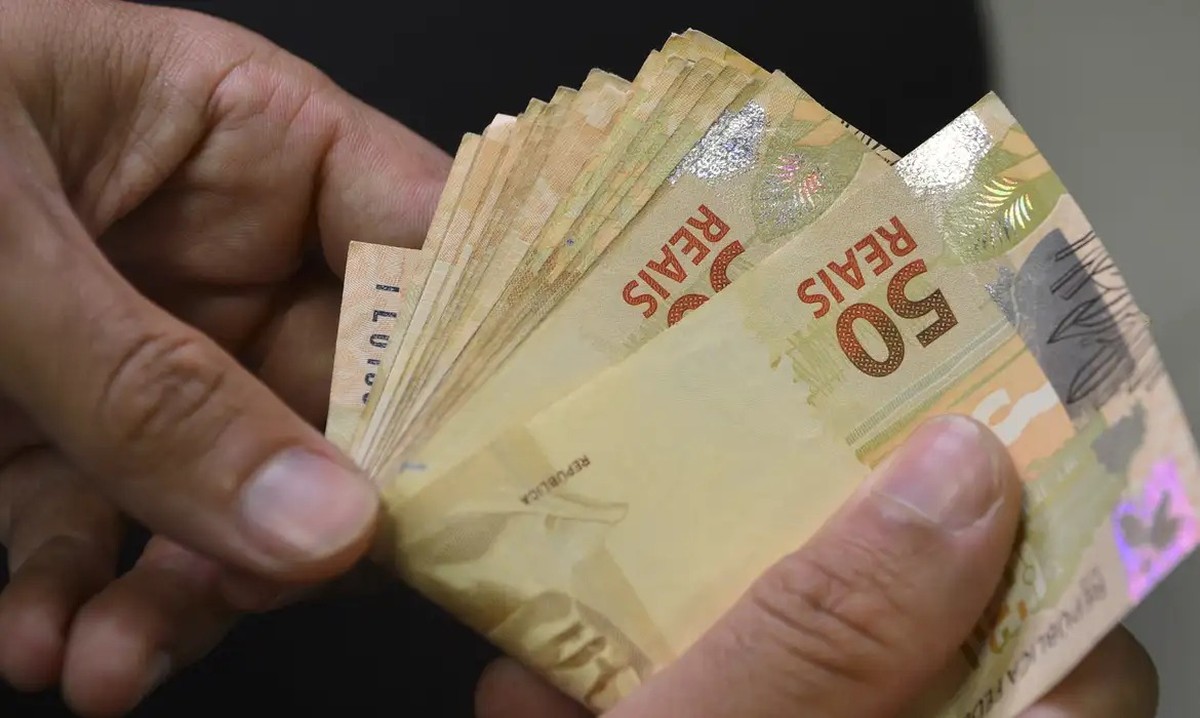
Brazil will implement a higher national minimum wage from 2026, with the monthly floor rising to R$1,621. The Ministry of Planning and Budget authorised an increase of R$103 over the 2025 level of R$1,518, representing a 6.79% adjustment. The decision aims to boost earnings for low-income workers and align wages with recent economic indicators.
Brazil minimum wage 2026
The rise to R$1,621 takes effect at the start of the new wage year and will apply to salaried workers covered by national labour rules. By raising the minimum wage, the government is effectively increasing the baseline for wages across sectors where the legal floor is observed. For many families, the additional income will help offset living-cost pressures that have persisted in recent years.
Beyond pay packets, the change has wider fiscal and social implications. Several social programmes and benefits in Brazil are indexed to the national minimum wage, so pensions and certain social transfers may see corresponding adjustments. That amplifies the reach of the policy, cushioning vulnerable households but also adding to public spending commitments.

Employers will face mixed effects. Larger firms and those with higher productivity should absorb the increase without major disruption. Small and medium-sized enterprises that operate with thin margins may feel the pressure on labour costs, particularly in labour-intensive sectors. Some businesses could respond by trimming hours, automating processes, or adjusting hiring plans.
Macroeconomic consequences will depend on how the increase interacts with inflation and growth. A modest, well-communicated rise can support domestic demand as low-income households typically spend additional income, strengthening consumption. However, if wage growth outpaces productivity, it could add to inflationary pressures, prompting the central bank to weigh monetary policy responses.
Policy makers must balance social objectives with fiscal prudence. The Ministry of Planning and Budget will need to factor higher wage-linked spending into budget forecasts for 2026 and beyond. This includes potential impacts on social security disbursements and public-sector payrolls that reference the minimum wage.
Labour unions and social movements are likely to welcome the adjustment as a step toward improving living standards, while business associations may press for compensatory measures to ease the burden on smaller firms. The government could consider targeted support for vulnerable businesses or incentives for productivity-enhancing investment to offset wage-related cost pressures.
For workers, the increase represents an immediate improvement in nominal income. Its real benefit will depend on inflation trends and how quickly wage gains translate into better household purchasing power. Observers will monitor consumer prices and employment indicators in the coming months to assess the policy’s net effect on living standards and the labour market.
Implementation details, including the formal decree and timeline for related benefit adjustments, will be published by the relevant ministries. The 2026 minimum wage decision signals the government’s short-term priorities for social protection and wages, while underscoring the need for complementary measures to sustain economic stability and inclusive growth.
Key Takeaways:
- Brazil minimum wage 2026 increased to R$1,621, up R$103 from 2025 (6.79%).
- The Ministry of Planning and Budget authorised the adjustment, affecting pay and social benefits tied to the minimum wage.
- Higher labour costs may strain some businesses but strengthen purchasing power for low-income workers.
- Government fiscal planning and inflation outlook will determine broader economic impact.