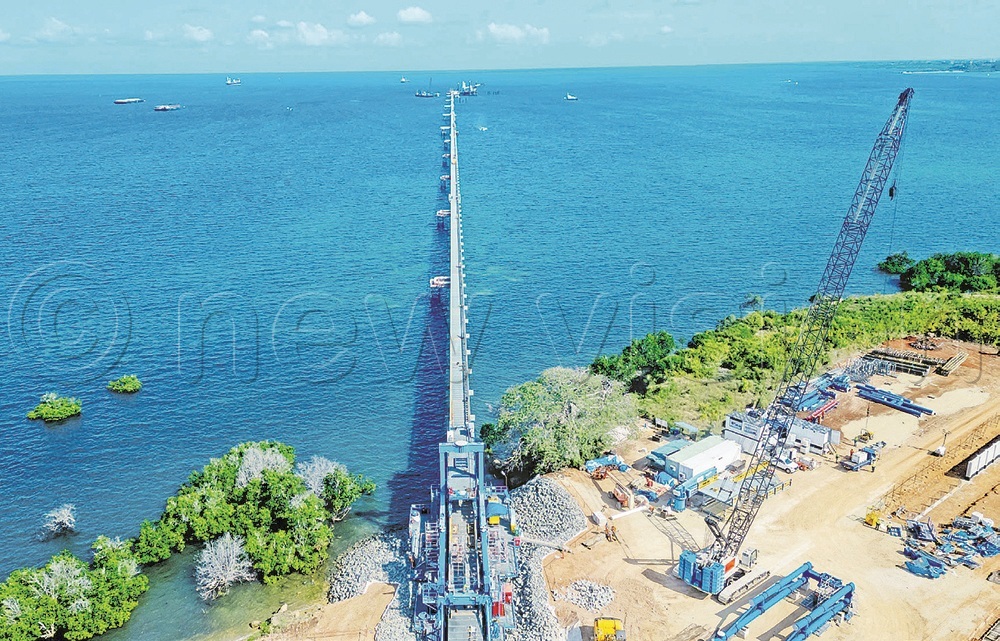
Uganda is preparing for a dramatic shift in its economic trajectory as commercial oil production in the west of the country draws near. Officials say the first barrels are expected to flow in the 2026/2027 financial year and that the new revenues could lift growth into double digits by 2026.
Uganda oil production set to reshape economy
President Yoweri Museveni set an upbeat tone in his New Year message, declaring that Uganda’s future is bright as the nation moves closer to its long awaited commercial oil output. Oil and gas development forms one of four strategic pillars in the government s plan to expand the economy from about 50 billion US dollars to 500 billion by 2040, alongside agro industrialisation, tourism and science and technology.
Central bank governor Michael Atingi Egoing emphasised prudent management of oil revenues at a December conference in Kampala. He said proceeds should finance durable assets such as human capital, infrastructure and institutions so that finite resources translate into lasting benefits.

The World Bank reinforced the positive outlook in its December economic update. It expects growth to accelerate as oil production begins in 2026/2027 and predicts substantial revenues in the year after. The bank noted robust and broad based growth in 2024/2025, supported by strong domestic demand and solid performance across agriculture, tourism, industry and services. Inflation remained below the central bank target and the external position improved thanks to rising coffee and gold exports.
Government projections are more bullish. In its National Budget Framework Paper for 2026/2027 to 2030/2031 the Ministry of Finance, Planning and Economic Development forecast growth of 10.4 percent by the end of 2026/2027, up from an estimated 6.6 percent in 2025/2026. The ministry said the start of oil production would generate significant revenues and spur productivity through linkages across sectors, lifting the size of the economy from just over 70 billion dollars to more than 81 billion within a year.
The World Bank also expects poverty to continue declining in 2026 and 2027 if current trends hold. That projection points to tangible gains for living standards if revenues are channelled into social services and investment that supports sustained growth.
Despite the optimism, experts warn of fiscal pressures. The World Bank highlighted a widening deficit and rising debt servicing costs as risks that could undermine long term gains. Analysts say a return to fiscal consolidation and strong governance will be necessary to ensure oil revenues do not fuel short term consumption or create vulnerabilities.
Implementation challenges remain. Building the necessary infrastructure, establishing transparent revenue management systems and ensuring local content in the oil sector will be crucial if the resource is to benefit the broader population. Stakeholders including government, development partners and the private sector will need to coordinate closely to translate oil wealth into lasting development.
As Uganda prepares for its first commercial oil output, the balance between opportunity and risk will determine whether the nation can secure the projected double digit growth and long term improvements in welfare. For now, policymakers and international institutions are united in urging careful stewardship of the new revenues to turn a one off natural resource into sustained prosperity.
Key Takeaways:
- Uganda oil production is expected to start in 2026 and could lift GDP into double digit growth.
- Officials and the World Bank predict rising revenues will fund infrastructure and human capital.
- Government forecasts show growth above 10 percent in 2026/2027 but warn of fiscal risks and rising debt costs.