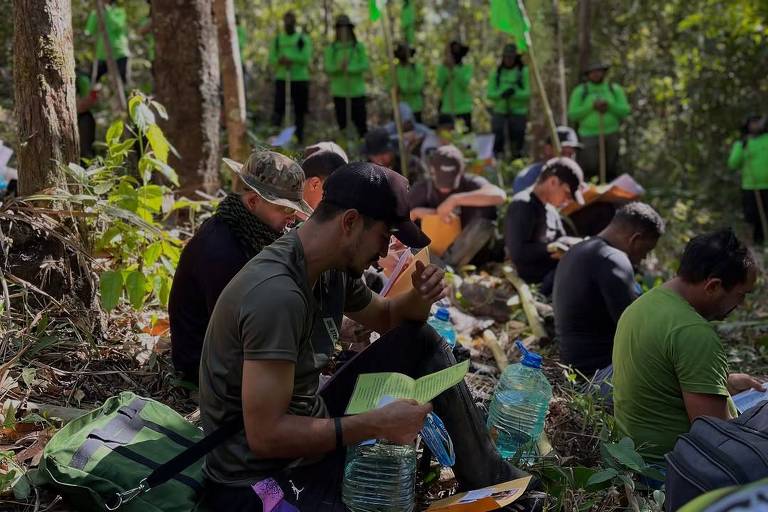
Across Brazil, a growing number of male-only retreats are combining strenuous physical challenges with explicit religious instruction to reshape ideas of masculinity. Projects such as Invictos Trekking, Guardiões and BravusCor stage mountain hikes, obstacle courses and cold baths alongside spiritual mentoring and homily-style coaching aimed at restoring a traditional male role in family and faith.
Brazilian men’s retreat movement
Organisers present the experiences as transformative. Invictos, based in Palmas, calls on participants to emulate an “invincible” faith rather than rely on personal strength. Guardiões, led by pastor Jason Diamantino, uses military imagery: participants march and attend services framed as enlistment in a divine army. The Catholic-rooted BravusCor markets itself on discipline, psychology and inspiration from saints and military heroes.
Despite differing denominational backgrounds, these initiatives share a mix of ritualised exertion and coaching rhetoric. They promise renewed confidence and a clearer sense of purpose, often with an explicit emphasis on the husband as provider and protector and the wife as supporter of the home. Public figures and coaches have lent visibility to the trend: the more prominent Legendários movement counts a roster of well-known personalities among its affiliates.

Participation costs vary. Invictos charges around R$200 for a 48-hour programme and says churches subsidise part of the expense. Legendários-style experiences command higher fees, sometimes above R$1,000. Organisers insist financial gain is not the primary aim and frame the events as ministry rather than commercial ventures.
Supporters argue the retreats meet a demand within conservative communities for spaces that address a perceived crisis of masculinity. Taylor Aguiar, an anthropologist, notes how evangelical churches in Brazil diversify their offerings to reach distinct audiences. Economist Deborah Bizarria links the phenomenon to Protestant traditions that encourage local innovation and multiple readings of scripture.
Critics raise concerns about gender roles and the blending of coaching techniques with theology. Some observers describe the model as a form of marketised religion where self-improvement language meets devotional practice. Questions persist about whether these retreats reinforce rigid expectations of men and women at a moment when gender roles are under wider social debate.
Organisers respond that their aim is to strengthen families and equip men to share household responsibilities more fairly. Pastors and spokespeople emphasise principles of care, honour and practical support, saying participants learn to assist with chores and child care as part of a broader commitment to family wellbeing.
The movement’s growth reflects broader cultural currents in Brazil. It taps into conservative sentiments, the prominence of evangelical networks and a buoyant coaching industry. Whether these retreats will evolve into a lasting social force or remain niche expressions of pious self-improvement depends on how churches, participants and critics negotiate questions about gender, faith and the public role of religion.
Key Takeaways:
- The Brazilian men’s retreat movement brings church-backed, male-only expeditions that combine physical challenges with spiritual mentoring.
- Groups such as Invictos, Guardiões and BravusCor borrow coaching techniques and attract high-profile endorsers while promoting traditional family roles.
- Organisers argue retreats strengthen faith and household duties; academics warn of marketised theology and gendered implications.