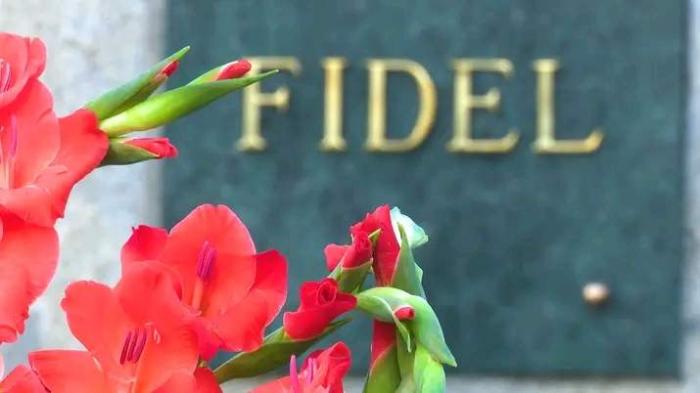
Residents of Santiago de Cuba opened the year-long centenary commemorations for Fidel Castro with a solemn public tribute at the Santa Ifigenia cemetery. A steady stream of people placed flowers at the monolith that holds the Commander in Chief’s ashes, and paid homage to other founding figures in Cuba’s history.
Fidel Castro centenary tribute draws Santiago de Cuba residents
The ceremony in the City of Heroes combined private mourning and public remembrance. Attendees offered varied expressions of respect at the funerary monument to the leader of the Revolution, while also laying tributes at the memorials to José Martí, Carlos Manuel de Céspedes and Mariana Grajales Cuello. These acts underscored the event’s broader purpose: to honour the historical figures who shaped Cuba’s independence and national identity.
Local officials presided over the commemorations. Beatriz Johnson Urrutia, the first secretary of the Provincial Committee of the Communist Party, and Manuel Falcón Hernández, the Governor, led both the cemetery observance and an earlier flag ceremony in Parque Céspedes. Their presence reinforced the official character of the centenary’s opening moments.

On the night of 31 December, a traditional flag-raising event at the former town hall in Parque Céspedes set the tone for the coming year. The event, a civic celebration first introduced by Emilio Bacardí in the early 20th century, brought residents together in a ritual that signals whether the national flag will fly into the year ahead. This continuity between past and present framed the centenary’s launch as both historical remembrance and living civic practice.
The Santa Ifigenia cemetery is a site of particular resonance in Santiago de Cuba. Beyond its role as a burial ground, it functions as a place of public memory where Cubans regularly gather to commemorate leaders and pivotal moments in the nation’s history. The decision to begin centenary activities at this site aligned with longstanding practices of state and public remembrance.
While the ceremonies were ceremonial and largely peaceful, they also reflected broader themes of identity and memory at play across the island. The inclusion of tributes to José Martí, widely regarded as Cuba’s national hero, and to independence-era figures such as Carlos Manuel de Céspedes and Mariana Grajales, positioned the Fidel Castro centenary within a longer national story. Organisers presented the event as a moment to reaffirm continuity with the struggles for independence and the subsequent processes that shaped Cuban nationality.
Observers noted the mix of official ritual and grassroots expression. Citizens arrived with floral offerings and spoke quietly at the monuments. For many, the day offered a chance to reflect on the leader’s legacy as the government prepares a calendar of events through 2026. For officials, the ceremonies provided an opportunity to lead public commemoration and present a narrative of historical continuity.
As the centenary unfolds, Santiago de Cuba’s opening tribute will likely be followed by further events across the island. The initial ceremonies set a tone of reverence and collective remembrance, beginning what officials describe as a year dedicated to honouring Fidel Castro’s life and the wider history of Cuba’s struggles for sovereignty.
Key Takeaways:
- Residents of Santiago de Cuba gathered at Santa Ifigenia cemetery to lay flowers at the monolith that holds Fidel Castro’s ashes.
- The Fidel Castro centenary tribute also honoured José Martí, Carlos Manuel de Céspedes and Mariana Grajales.
- Local leaders, including Beatriz Johnson Urrutia and Governor Manuel Falcón Hernández, presided over ceremonies that began on 31 December.