











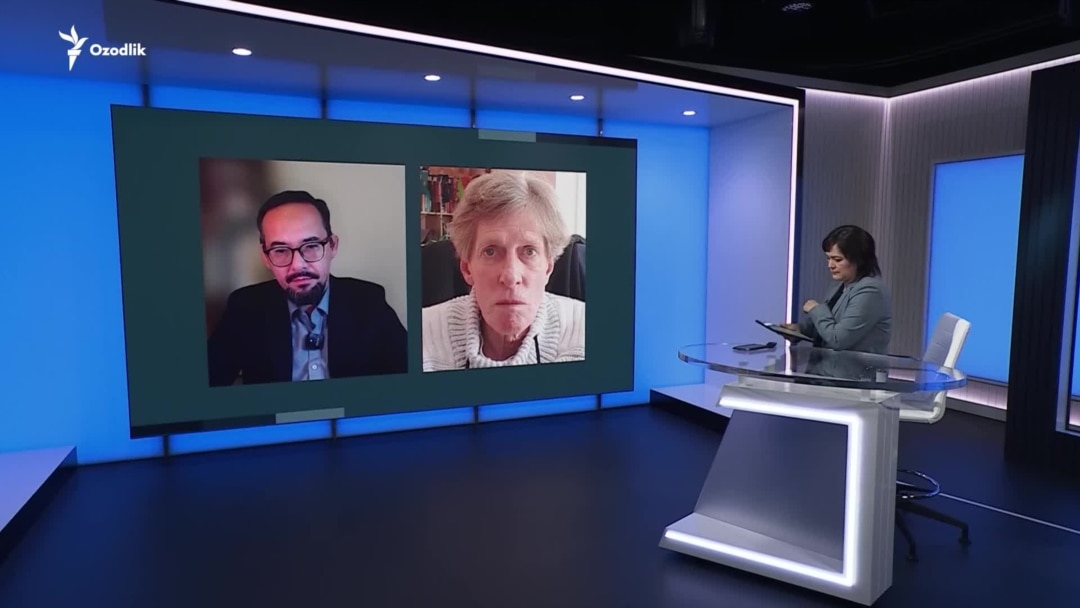
Broadcasters and analysts have reflected on what 2025 meant for Uzbekistan in a new multimedia year‑end programme that brought together economists, regional specialists and other experts. The hour‑long feature examined economic trends, reform efforts and the country’s evolving role in Central Asia, opening with an assessment from Uzbek economist Jamshid Muslimov and commentary from Bruce Pannier, a well‑known analyst of Central Asian affairs.
Uzbekistan 2025 expert perspectives
The programme placed economics at its centre. Muslimov outlined how government policy shifts and private sector activity shaped growth patterns through the year, while Pannier contextualised those developments within broader regional dynamics. Both speakers emphasised the interplay between domestic reforms and foreign economic ties, noting how investment, trade and regulatory changes influenced business sentiment.
Presenters and guests also considered social and everyday impacts. Viewers heard about labour market changes, public services, and the shifting expectations of Uzbek citizens after consecutive years of reform. Several experts highlighted the practical consequences of policy decisions on households and small businesses, arguing that macroeconomic indicators only tell part of the story.

Regional relations and diplomacy featured prominently. The programme explored how Uzbekistan’s relationships with neighbouring states and international partners evolved in 2025, and what that meant for trade corridors, energy cooperation and cross‑border investment. Analysts pointed to a mix of continuity and change as policymakers balanced national priorities with opportunities for external engagement.
Although the broadcast did not present a definitive scorecard, recurring themes emerged: a focus on gradual reform, attempts to attract foreign investment, and efforts to manage inflation and currency stability. Contributors discussed the challenges of balancing rapid economic opening with social stability and the need for transparent regulatory frameworks to sustain investor confidence.
Technical and cultural sectors received attention as well. Commentators examined the growth of local start‑ups and the expansion of digital services, which some experts said expanded access to banking, education and communication. Cultural initiatives and media coverage were noted as part of a wider conversation about national identity and social change.
The programme was produced as a multimedia package, with video available in multiple resolutions and an accompanying still image for online publication. The producers interspersed interviews, data visualisations and on‑the‑ground reporting to give viewers both high‑level analysis and tangible examples from towns and cities across Uzbekistan.
For policymakers and observers, the main takeaway was that 2025 was a year of cautious advancement rather than dramatic upheaval. Experts suggested that the coming months will test whether recent reforms translate into sustained improvements in living standards and increased integration with regional markets.
The broadcast invited a wide range of views and avoided simple verdicts, instead offering a platform for debate and further enquiry. As Uzbekistan moves into the next year, analysts recommended keeping an eye on investment flows, regulatory reform, and the social policies that will determine whether economic gains are widely shared.
Key Takeaways:
- Year‑end multimedia programme reviews the key political, economic and social developments in Uzbekistan during 2025.
- Economist Jamshid Muslimov and Central Asia analyst Bruce Pannier provide expert analysis on growth, reforms and regional ties.
- Discussion covers economic policy, foreign investment, social change and Uzbekistan’s place in regional geopolitics.








