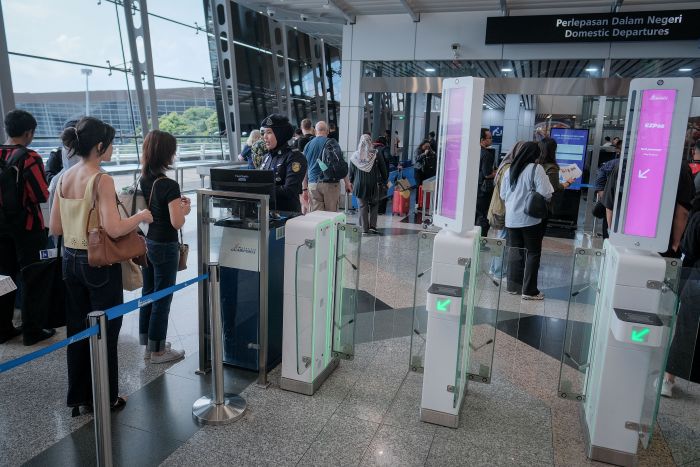
Malaysia Airports is accelerating upgrades across its network to ensure a smooth, welcoming arrival experience for visitors during Visit Malaysia 2026 (TMM2026). The operator says the initiative is designed to manage higher passenger volumes while maintaining steady operational performance at both international and domestic airports.
Malaysia Airports upgrades for TMM2026 deliver capacity and convenience
Datuk Mohd. Izani Ghani, Group Managing Director of Malaysia Airports, said the company is prioritising efficient asset use, stable operational processes and close collaboration with airlines to support increased connectivity. “All our airports operate under a coordinated national framework to ensure consistent service standards at every gateway,” he said.
The centrepiece of the programme is a comprehensive modernisation of Kuala Lumpur International Airport (KLIA) completed by 2025. More than 30 targeted improvements across Terminal 1 and Terminal 2 aim to speed passenger flow and increase inclusivity. Measures include upgraded passenger processing systems, expanded self-service options and enhanced public facilities and retail offerings.

Key operational upgrades already implemented at KLIA comprise enhanced check-in kiosks and Open Bag Drop, a vehicle access management system to ease roadside traffic near terminals, and the provision of 12,500 new luggage trolleys. Additional passenger support items include 100 free wheelchairs and 210 baby strollers.
Passenger-centric amenities have also been introduced, such as family-friendly restrooms, refreshed open-concept waiting areas, upgraded prayer rooms and the launch of a Calm Room in Terminal 2 for travellers with hidden disabilities. These changes reflect an emphasis on accessibility and comfort from arrival to departure.
Network upgrades and commercial experience
Malaysia Airports has accelerated similar upgrades at other major airports, including Penang International Airport and Kota Kinabalu International Airport, as well as selected domestic airports. Improvements cover the deployment of Self Service Bag Drop, cashless parking systems, escalator upgrades and refurbishments of prayer rooms and washrooms to create uniform service quality across the network.
Alongside physical upgrades, Malaysia Airports is expanding the commercial experience to showcase local creativity and offer greater choice to travellers. Retail and food and beverage offerings have been broadened to combine local brands with international names, introduce experiential pop-up activations and provide travel essentials.
Notable commercial additions at Terminal 2 include new outlets such as Arabica, Läderach, Fred’s, Rituals and Charlotte Tilbury. A themed activation with LEGO and an expanded Licence to Win campaign now open to non-purchasers are among the initiatives intended to enrich the airport experience.
Supporting route growth and inbound tourism
Malaysia Airports has also strengthened airline engagement with incentives to stimulate new and extended routes, complementing incentives under Tourism Malaysia’s Border and Charter Support Grant (GSPC) announced in the 2026 Budget. The grant enables airlines to undertake overseas marketing and promotion to attract inbound tourists via scheduled and charter services.
By combining infrastructure upgrades, improved passenger services and commercial enhancements with targeted airline incentives, Malaysia Airports aims to present a reliable and welcoming first impression for visitors to Malaysia during TMM2026 and to sustain improved connectivity beyond the event.
Key Takeaways:
- Malaysia Airports upgrades for TMM2026 focus on smoothing arrivals and boosting operational resilience across international and domestic gateways.
- Over 30 improvements at KLIA include enhanced self-service check-in, Open Bag Drop and new passenger amenities such as Calm Room and family-friendly facilities.
- Networkwide upgrades to Penang and Kota Kinabalu airports introduce Self Service Bag Drop, cashless parking and upgraded facilities to ensure consistent service quality.
- Commercial activations, airline engagement and incentives under the GSPC scheme support route growth and inbound tourism for Visit Malaysia 2026.