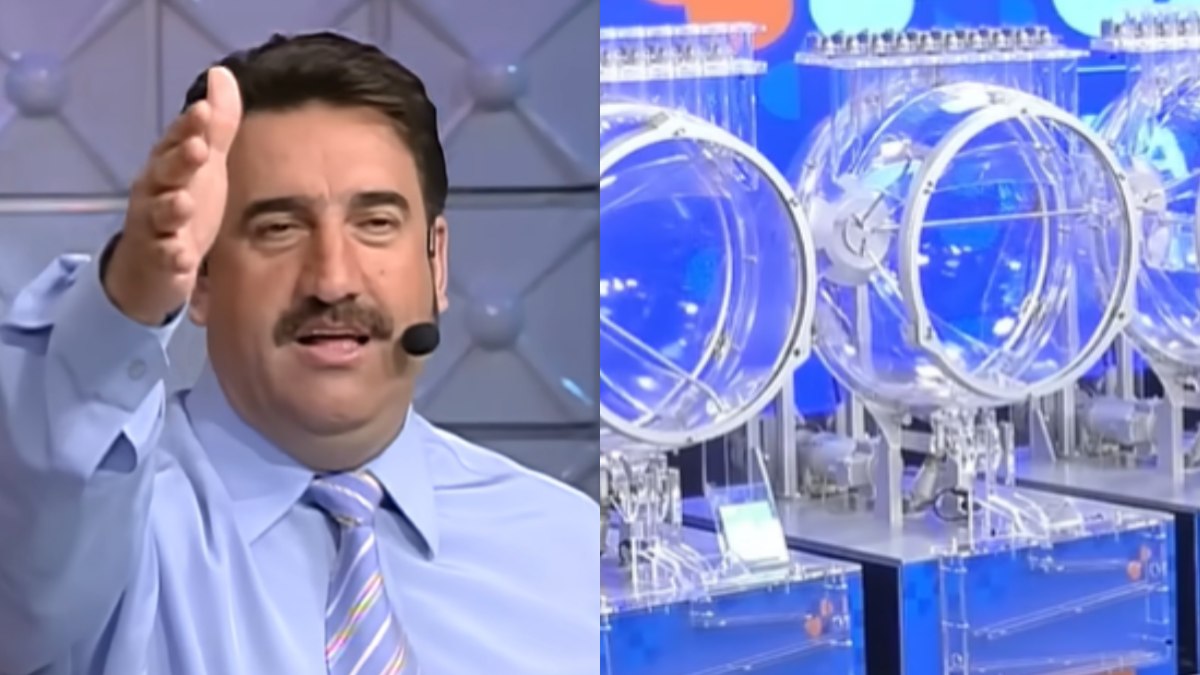
A technical and logistical bottleneck at Caixa Econômica Federal forced a delay in the Mega da Virada draw, moving the event from the intended evening of 31 December to the morning of 1 January. The postponement, together with glitches during the live transmission, became one of the most discussed stories on Brazilian social media as viewers shared jokes and memes.
Mega da Virada broadcast delay and public reaction
The decision to postpone the draw was attributed to unprecedented traffic on Caixa’s betting channels. According to the bank, systems recorded roughly 120,000 transactions per second while retail outlets registered nearly 4,800 bets per second. The surge in activity also pushed the top prize up from R$1 billion to R$1.09 billion, making it the largest sum ever offered in the lottery’s history.
On social media, users quickly compared the confused scenes in the televised draw to well known television routines. Several viewers likened the live coverage to the televised DNA tests on the Ratinho show, and others joked that the Tele Sena team — part of the Silvio Santos group famous for punctual draws — would have handled the event differently. Translated comments circulated widely, with some saying: “It looks like the Ratinho DNA test,” and others noting that “if Tele Sena ran it, this would not have happened.”
Despite the levity, the delay raised practical questions among bettors and observers. Caixa said the change aimed to ensure the integrity of the draw and to accommodate the unprecedented volume of participation. The lottery’s non-accumulation rule remains in force: if no ticket matches all six numbers, the prize fund is redistributed among the next tier of winners.
By the time the draw completed on the morning of 1 January, the Mega da Virada had produced six winning tickets. Caixa has confirmed the total prize pool and its distribution, while the wider public debate has focused on resilience and preparedness of the national lottery infrastructure during peak demand.
Media analysts noted that mass events driven by large jackpots often expose vulnerabilities in ticketing and broadcast systems. In this case, the episode combined technical strain with live-television unpredictability, a combination that proved fertile ground for humour. The comparison to entertainment shows underlined how quickly technical incidents can become cultural moments in Brazil’s highly connected online environment.
For many bettors the outcome softened any annoyance: longstanding rules and the eventual drawing of numbers meant winners were validated and prizes awarded. For regulators and Caixa, the episode will likely prompt a review of capacity and contingency planning for future high-volume events.
As Brazil’s national lottery continues to attract large numbers of participants, stakeholders will be watching whether operational changes follow and how Caixa manages peak demand next year. For the public, the incident delivered a mix of frustration, relief and entertainment, emblematic of how high-stakes events can capture national attention well beyond their financial stakes.
Key Takeaways:
- High demand forced the Mega da Virada broadcast delay, pushing the draw from 31 December to 1 January.
- The Mega da Virada broadcast delay sparked widespread memes, with comparisons to the Ratinho TV DNA test and Tele Sena draws.
- Caixa recorded unprecedented traffic — about 120,000 transactions per second — and the top prize rose to R$1.09 billion with six winners.