Key Takeaways:
- Traditional practices in Karamoja, Uganda, include customary bride capture and bride price, affecting girls’ rights and wellbeing.
- High rates of teenage pregnancy and early marriage create health, education and economic challenges for communities.
- Local voices and service providers call for strengthened education, health services and community dialogue to protect girls.

Away from Uganda’s major towns, communities in Karamoja continue to practise customs that shape family life and childhood. Local accounts describe young women being taken to live with their chosen partners after customary capture rituals, after which elders demand cattle as compensation. For many families, a girl remains a source of social status and wealth, with consequences for her education, health and future prospects.
Karamoja child marriage
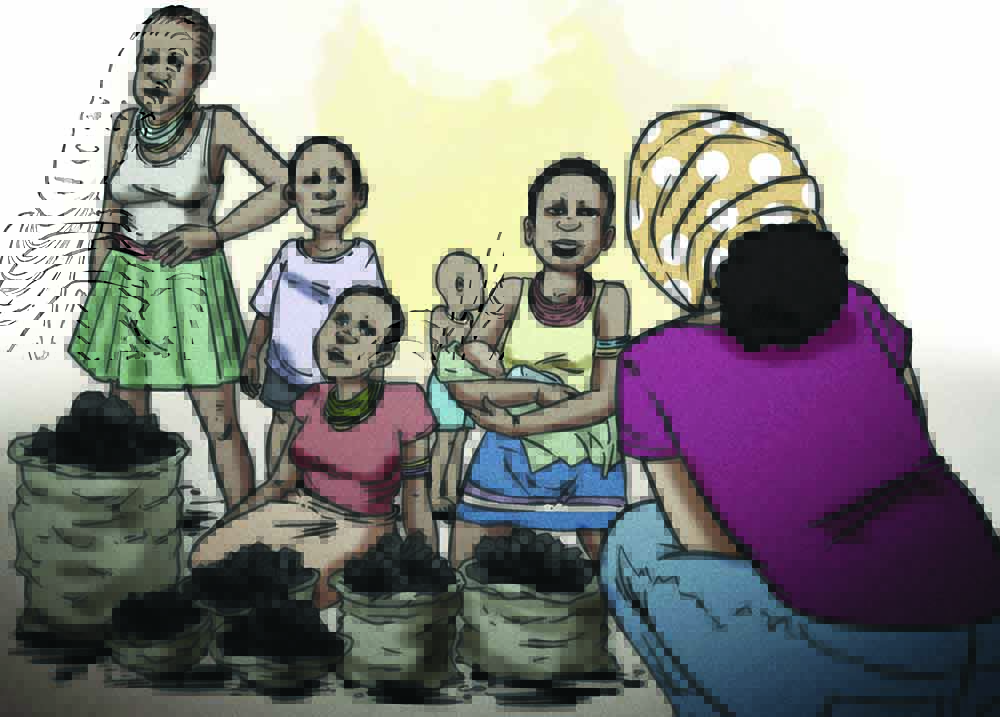
Those who work in the region say the practice often begins with a young man and woman leaving together. If a girl disappears from home for several days, her family may trace her and, on finding she has been taken, elders will negotiate cattle payments. The arrangement can result in early unions and teenage pregnancy. An image from Napak shows a journalist speaking to Mary, a teenage mother. Her story reflects the intersection of tradition, poverty and limited access to services.
The immediate impact on girls is clear. Early motherhood increases health risks during pregnancy and childbirth and frequently ends a girl’s schooling. School dropout rates among teenage mothers are high, reducing future employment opportunities and trapping families in cycles of poverty. Health workers in the region report strains on maternal and child health services where teenage pregnancies are common.
Community leaders offer a range of explanations for the persistence of these customs. For some households, cattle remain a primary measure of wealth and a bride price can secure social standing. For others, limited access to education, few livelihood options and weak law enforcement create conditions where traditional practices continue unchallenged.
Despite these pressures, local activists and some NGOs have begun to work with families and elders to change behaviour. Programmes that combine community dialogue with practical incentives — such as support to keep girls in school and access to reproductive health services — report modest successes. Teachers and health staff say that when families see clear alternatives to immediate bride price income, they are more likely to delay marriages and support continued education.
Legal frameworks exist to protect children, but enforcement remains inconsistent. Child protection officers and civil society groups urge a joined-up approach that pairs enforcement with prevention. That means improving access to quality education, expanding adolescent health services and creating economic alternatives for families that currently rely on bride price as a source of wealth.
Voices from Karamoja emphasise that change must be led by communities. Elders and religious leaders who accept the need for reform can influence wider behaviour. Initiatives that bring youths into the conversation, particularly young men, also show promise. Men who understand the health and social consequences of early marriage are more likely to support protective measures.
As Uganda and its partners consider development priorities for the region, addressing early marriage and teenage pregnancy in Karamoja will require sustained funding and coordinated policy action. Improving girls’ education and access to health services would not only protect individual rights but also contribute to the social and economic resilience of communities across Karamoja.