Key Takeaways:
- Zanjan heavy snowfall swept across many parts of the province, reducing visibility and hindering travel.
- Meteorological authorities issued warnings as blizzard conditions developed in higher and low-lying areas.
- Roads and services faced disruption while local agencies urged residents to limit travel and follow safety guidance.
Zanjan Hit by Heavy Snowfall and Severe Blizzard
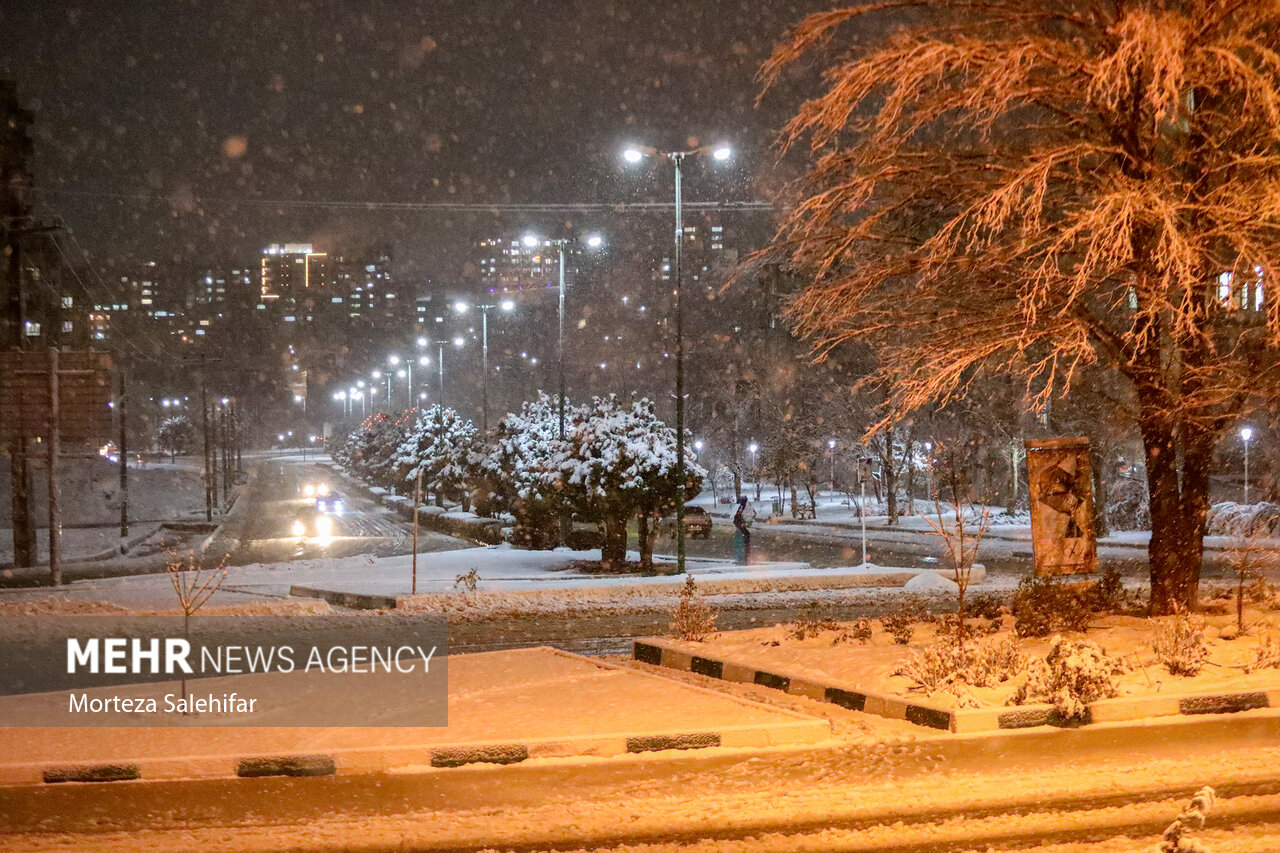
Heavy snowfall and severe blizzard conditions swept across Zanjan province on Tuesday, affecting multiple districts and disrupting travel and daily life. Provincial meteorological services reported widespread accumulation and strong winds that reduced visibility and made many roads hazardous.
Officials urged residents to exercise caution and avoid unnecessary journeys as local authorities monitored the situation. The national and regional weather services warned that conditions could persist in some areas, calling on drivers to prepare for icy surfaces and low visibility.
Zanjan heavy snowfall brings travel disruption
The Zanjan meteorological department said the storm brought sharp temperature drops and heavy, sustained snowfall in both urban and rural areas. In several parts of the province, snow and wind combined to create blizzard conditions that limited movement on main routes and secondary roads.
Road maintenance crews and emergency services mobilised to clear key arteries and assist stranded vehicles where possible. Local authorities emphasised that traffic restrictions might be necessary on affected routes until conditions improve and visibility returns to safe levels.
Schools and public services in neighbouring provinces have in some instances adjusted operations in response to winter weather, and residents in Zanjan were advised to stay informed through official channels for updates on closures or travel advisories.
The storm also placed pressure on transport and supply chains at a local level. Authorities encouraged businesses and public bodies to take contingency measures to maintain essential services, including ensuring adequate fuel supplies and on-call maintenance teams for power and heating systems.
Medical and emergency providers reiterated standard winter-safety guidance. They advised people to keep warm, check on elderly neighbours and avoid prolonged exposure to the cold. Motorists were reminded to carry emergency kits and to drive at reduced speed where conditions required.
Although the primary impact has been immediate disruption to road travel and daily routines, officials said they were monitoring secondary effects such as the potential for power outages and delays to deliveries. Crews remain on standby to respond to any incidents that arise as the weather system moves through the region.
Authorities also called for community cooperation. They asked residents to report dangerous conditions or stranded motorists to the emergency hotline so response teams could prioritise rescue and assistance where it is most needed.
Meteorological forecasters indicated that the worst of the storm may gradually ease as the system moves away, but warned of lingering cold and intermittent snow in higher elevations. The public was advised to keep checking forecasts and heed official guidance until conditions stabilise.
For now, the emphasis from provincial officials is on safety and preparedness. With Zanjan heavy snowfall affecting large areas, local agencies continue to coordinate clearance operations and emergency response to reduce disruption and protect the public.