Key Takeaways:
- Government orders holders of foreign exchange to inject currency into the market within one week.
- Officials say billions of dollars will enter Iran shortly, aiming to ease currency pressures.
- Policy move intended to stabilise exchange rates and improve importers’ access to foreign currency.

Tehran, 29 December 2025 — Iran’s Plan and Budget Organisation has announced that billions of dollars of foreign currency will enter the country within the next week, as authorities push to increase FX supply and calm recent market volatility.
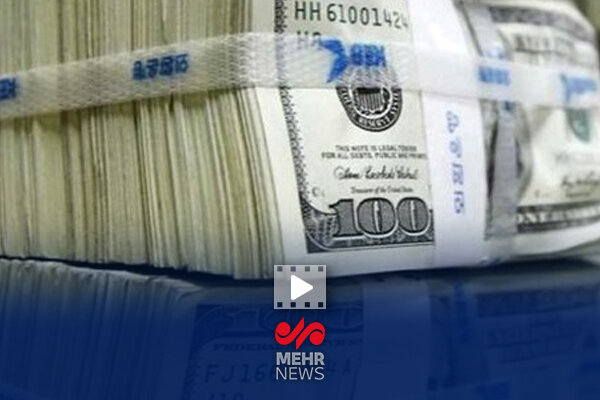
billions of dollars entering Iran
The deputy head of the organisation said that all companies and entities holding the nation’s foreign exchange resources have been ordered to place those funds on the market within seven days. The move is intended to increase liquidity, reduce pressure on the rial and improve the availability of currency for essential imports.
Officials did not detail the precise origins of the incoming funds, but characterised the inflows as sufficient to make a meaningful and rapid impact on exchange conditions. The directive applies to state-linked firms, exporters and other organisations that hold hard currency reserves.
Economic authorities have faced mounting challenges as fluctuations in the exchange rate have affected import costs and sharpened inflationary pressures. By compelling holders of foreign exchange to release reserves to the market, the government aims to narrow the gap between official and parallel market rates and to stabilise prices for businesses and consumers.
Market participants welcomed the announcement cautiously, saying that the timing, scale and transparency of the injections will determine their effectiveness. Traders and importers have long sought greater predictability in foreign exchange supply so that contractual obligations and supply chains can proceed without costly disruptions.
Analysts note that swift currency injections can provide immediate relief to FX markets, but sustained stability typically requires complementary measures such as clearer allocation mechanisms, improved foreign trade receipts and consistent monetary policy. Observers will be watching for follow-up steps from the Central Bank and the Ministry of Economy to ensure the easing is durable.
Earlier this month, Tehran saw public demonstrations and business complaints linked to currency volatility, underscoring the political as well as economic importance of stabilising foreign exchange. The Plan and Budget Organisation’s announcement signals a hands-on approach by the state to manage short-term shocks and restore confidence among importers, exporters and the wider public.
For exporters, the directive could change incentives depending on how the authorities manage conversion rates and repatriation rules. If exporters are offered competitive and transparent terms to convert foreign earnings into rials, they may be more willing to bring proceeds to the formal market, supporting official liquidity and narrowing parallel market activity.
International partners and trade counterparties will also be monitoring the development. A clearer FX environment could ease trade transactions and logistics, particularly for firms that rely on timely access to foreign currency for inputs, spare parts and intermediate goods.
In the coming days, traders, business associations and financial media will be assessing actual flows and pricing reactions. If the pledged inflows materialise and are channelled effectively, Iran could see a rapid easing of acute exchange market pressures. However, sustained improvement will depend on credible follow-through, transparent implementation and alignment with broader fiscal and monetary policies.
Authorities have asked market actors to co-operate with the directive and said they will monitor compliance. The next week is likely to be decisive in determining whether the announced inflows translate into a tangible and lasting improvement in currency market conditions.