Key Takeaways:
- Lockheed Martin proposes a global C‑130J production hub in India if selected to supply up to 80 transport aircraft, signalling a boost to India defence manufacturing.
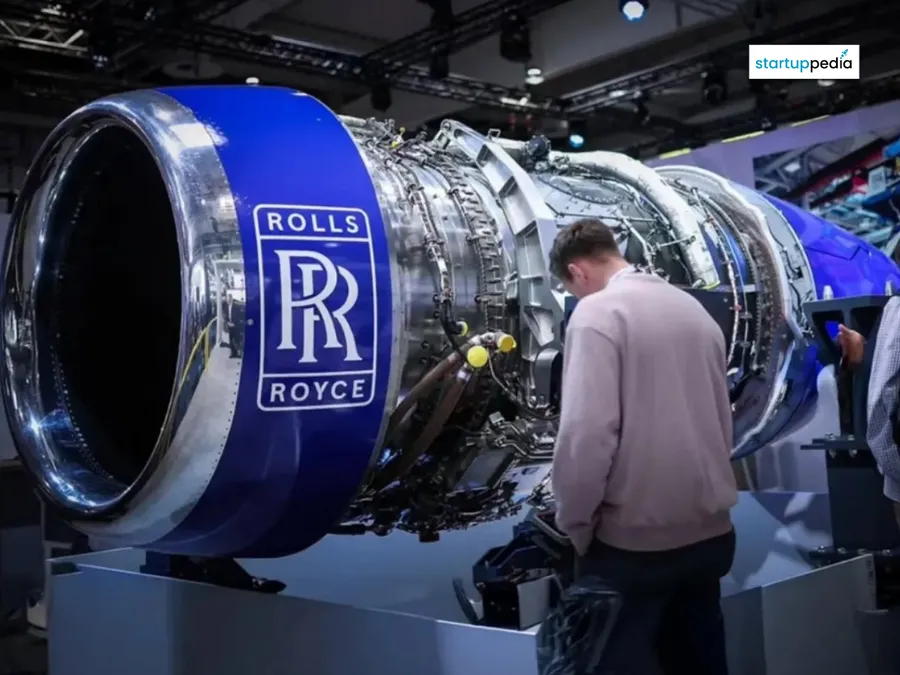
- Rolls‑Royce plans major investment to make India a third ‘‘home market’’, prioritising a next‑generation engine for the AMCA combat jet and naval propulsion technologies.
- Projects could deepen local supply chains, create skilled jobs and accelerate advanced engineering, including electric and hybrid marine propulsion derived from aero cores.

Lockheed Martin and Rolls‑Royce to build major manufacturing hubs in India
Two of the world’s leading aerospace and engineering groups have outlined plans for substantial investments in India that could reshape the country’s defence industrial base and technology capabilities. Lockheed Martin has pitched its C‑130J Super Hercules to India amid reports New Delhi may buy up to 80 military transport aircraft, while Rolls‑Royce says it intends to establish India as a major home market for engines and propulsion systems.
India defence manufacturing expansion
Lockheed Martin told local media that, if chosen, it would establish a global production hub in India for the C‑130J — the first such facility outside the United States. The company notes the C‑130J family has delivered more than 560 aircraft and logged in excess of three million flight hours, serving 28 operators across 23 countries. For India, a local production hub would bring manufacturing scale, sustainment capabilities and potential jobs for skilled engineers and technicians.
In a separate move, Rolls‑Royce has said it plans “big investment” in India and wants the country to become its third home market after the UK and the US. Sashi Mukundan, executive vice‑president of Rolls‑Royce India, identified priority areas including jet engines, naval propulsion, land systems and advanced engineering. A top priority is developing a next‑generation aero engine in India to power combat jets being designed under the Advanced Medium Combat Aircraft (AMCA) programme.
Rolls‑Royce also highlighted the cross‑sector advantages of aero‑engine technology. The company explained that electric and hybrid naval propulsion systems draw from the same core technologies used in aero engines, meaning an AMCA engine designed in India could contribute to developments in marine gas turbines and greener propulsion for naval vessels.
The plans come at a time when India is seeking to deepen domestic defence manufacturing under its self‑reliance agenda. Local production of the C‑130J, or components of its supply chain, would provide opportunities for technology transfer, manufacturing partnerships and long‑term sustainment work. Similarly, establishing engine design and production capabilities for the AMCA could anchor a high‑technology cluster that serves both military and civil markets.
Industry analysts say such investments would have broader economic and strategic benefits. Beyond direct employment, they could strengthen local supply chains, attract ancillary investment, and provide India with greater control over lifecycle support for critical platforms. For international partners, an Indian manufacturing base offers access to a large skilled workforce and a growing defence market.
There are operational and regulatory challenges ahead. Defence procurement decisions will require negotiation on offsets, technology transfer and intellectual property, while developing a next‑generation engine demands long timelines and sustained investment. Nonetheless, both companies signalled readiness to commit significant resources if commercial and policy conditions are met.
For New Delhi, the prospect of major foreign investment from Lockheed Martin and Rolls‑Royce aligns with its goal of building indigenous defence capability and expanding high‑end manufacturing. If realised, the projects would mark a notable step in India’s transition from arms importer to a regional hub for advanced defence systems and propulsion technology.