Key Takeaways:
- Zoho co-founder Sridhar Vembu credits India’s improved international standing to a decade of policy and diplomacy under Prime Minister Modi.
- Vembu argues that those who have lived abroad can see how India’s global image has transformed over the past ten years.
- Some netizens agreed, while others pointed to metrics such as tourist arrivals and passport strength to question the claim.
- Debate highlights the difference between diaspora perceptions and measurable indicators of international trust.

India’s global image has transformed, says Sridhar Vembu
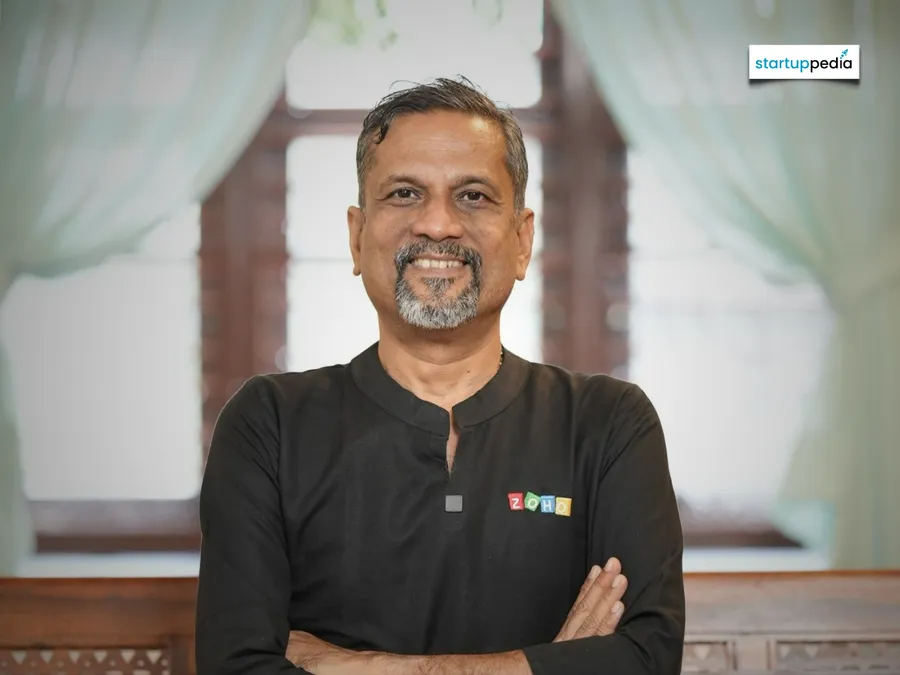
Zoho co-founder and former CEO Sridhar Vembu has said India’s international reputation has undergone a marked improvement over the past decade, crediting the change to Prime Minister Narendra Modi’s leadership. Vembu made the remarks in a post on X while responding to a journalist who warned against excessive reliance on performative diplomacy.
India’s global image
Vembu, who spent roughly 30 years living abroad, wrote that people who have lived overseas for long periods are well placed to perceive shifts in how India is viewed internationally. “Those of us who lived abroad for a long period know just how much India’s image abroad has transformed in the past 10 years,” he said, adding that this perception helps explain the prime minister’s popularity with the diaspora.
The comment sparked a mix of reactions online. Several users agreed with Vembu, saying India’s higher profile in technology, business and diplomatic forums has changed perceptions among foreign governments, investors and the Indian diaspora. Supporters pointed to increased international engagement by Indian firms, more high-level visits and growing cultural outreach as visible signals of change.
However, a range of critics disputed Vembu’s assessment, arguing that anecdotal impressions do not always align with measurable indicators. One user noted that foreign tourist arrivals have not risen as one might expect if global perceptions had significantly improved, and suggested that tourism statistics are a useful objective measure. Another pointed to passport mobility, noting that in 2025 only 59 countries permitted visa-free or visa-on-arrival access for Indian passport holders, and asked whether that reflected global trust.
Some commentators also urged a focus on domestic priorities. “We as a nation should be more concerned about the existing quality of life of an average citizen than what perception is carried by the global community and the Indian diaspora abroad,” one user wrote. The exchange highlighted a broader tension between reputation management and everyday policy outcomes.
Analysts say perceptions and hard indicators can move at different speeds. Diplomatic visibility, strategic partnerships and high-profile investments can raise a country’s profile quickly, yet factors such as consular access, visa agreements and tourism infrastructure often require sustained policy work and bilateral negotiation.
Vembu’s statement reopens a longstanding debate about how to measure a country’s progress on the world stage. For diaspora communities, image and esteem can matter for business, philanthropy and civic engagement. For domestic critics, improvements in image must eventually translate into tangible gains at home, including better mobility for citizens and higher standards of living.
Whether observers accept Vembu’s version of events depends in part on which indicators they prioritise. The exchange on X shows that while perceptions of India have indeed evolved for many, there remains a lively debate about the gap between international standing and concrete outcomes for citizens. As policy-makers pursue both reputation and results, the conversation is likely to continue.