Key Takeaways:
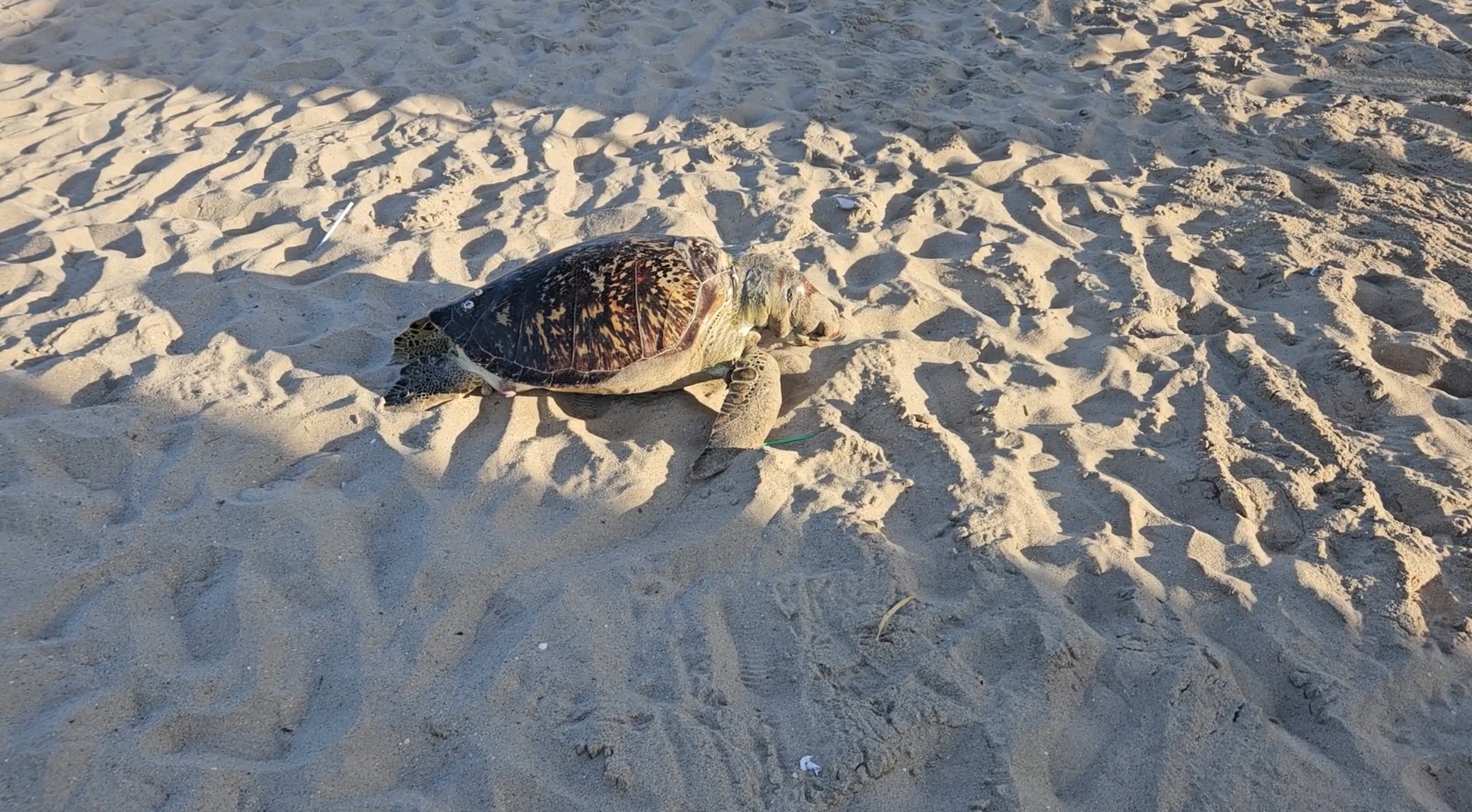
- Marine wildlife deaths in Brazil reported on the coast of Rio Grande do Norte after multiple animals washed ashore.
- A local merchant discovered a dead sea turtle close to the beach and a dolphin was also found; eyewitness accounts are being recorded.
- Authorities have been alerted and investigations will examine causes such as pollution, fishing interactions or disease.
- Environmental groups call for rapid testing and stronger coastal protections to prevent further marine wildlife deaths in Brazil.

Local residents and fishers on the coast of Rio Grande do Norte are mourning after several marine animals, including sea turtles and a dolphin, were discovered dead close to shore. The incidents, reported on the state’s coastline, prompted immediate calls for an investigation into the causes and for tighter measures to protect vulnerable marine species.
“We saw her floating out at sea. She was already moving towards the beach. When she reached about 50 metres from the shore I went out to her and pulled her in. I thought something was wrapped around her head, but when I saw her she was already dead,” said Luiz Felipe, a local merchant who recovered one of the turtles.
Understanding marine wildlife deaths in Brazil
Occurrences of dead marine animals washing up on Brazilian beaches raise concern among environmentalists, scientists and coastal communities. While isolated strandings can be caused by natural factors, a rise in such events can indicate broader threats including pollution, accidental capture in fishing gear, disease, harmful algal blooms or collisions with vessels.
Authorities were notified soon after the animals were found. State and federal environmental bodies typically collect carcasses for necropsy to determine cause of death and to look for signs of entanglement, ingestion of plastic, disease markers or chemical contamination. Results of those examinations can guide policy responses and immediate mitigation measures.
What officials and local groups say
Local environmental groups urged authorities to act quickly. “Prompt testing and transparent reporting are essential so we can understand whether this is an isolated event or part of a larger pattern affecting our coast,” said a representative of a regional conservation organisation. The groups also called for increased patrols and better waste-management practices in coastal communities.
Fisherfolk and beach users are often the first to notice unusual marine incidents. Their testimonies help investigators build a timeline and identify potential human-related causes like discarded fishing lines or increased shipping traffic. Community cooperation will be crucial if authorities step up monitoring or implement short-term fishing restrictions while investigations proceed.
Marine wildlife deaths in Brazil carry ecological and economic implications. Sea turtles and dolphins are important both ecologically and as draws for tourism. Losses among these species can disrupt local ecosystems and affect communities that rely on sustainable coastal tourism.
Experts say preventive measures can reduce such incidents: improved waste management to prevent plastic entering the sea, adoption of fishing practices that reduce bycatch, rapid response teams to rescue and rehabilitate stranded animals, and public education on how to report marine mammals and turtles in distress.
Authorities are expected to publish findings once necropsy and toxicology tests conclude. In the meantime, local organisations will continue to collect information and push for measures to limit further incidents along the Rio Grande do Norte coast. Community members are urged to report strandings to designated environmental hotlines and to avoid handling carcasses without guidance from trained personnel.
Photo credit: original news image