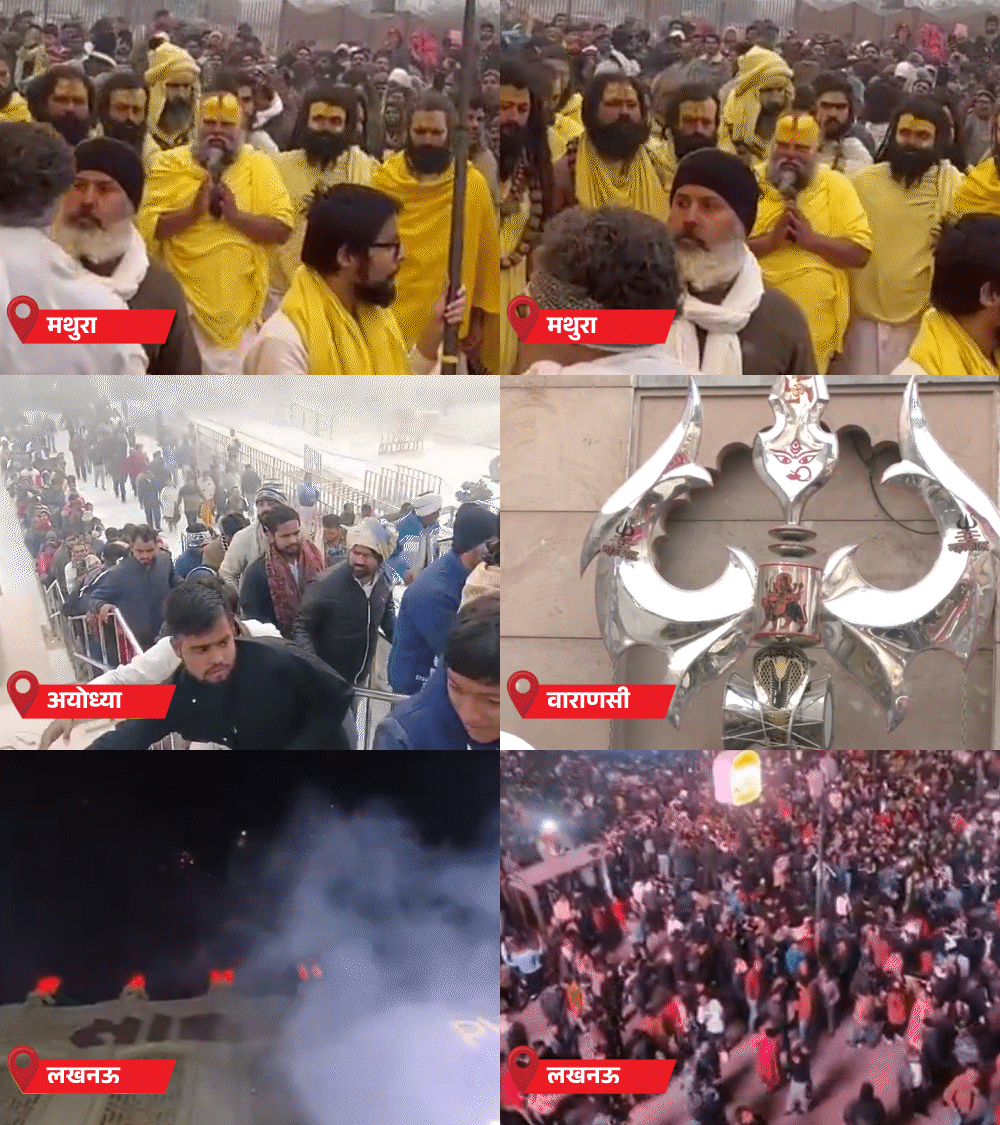
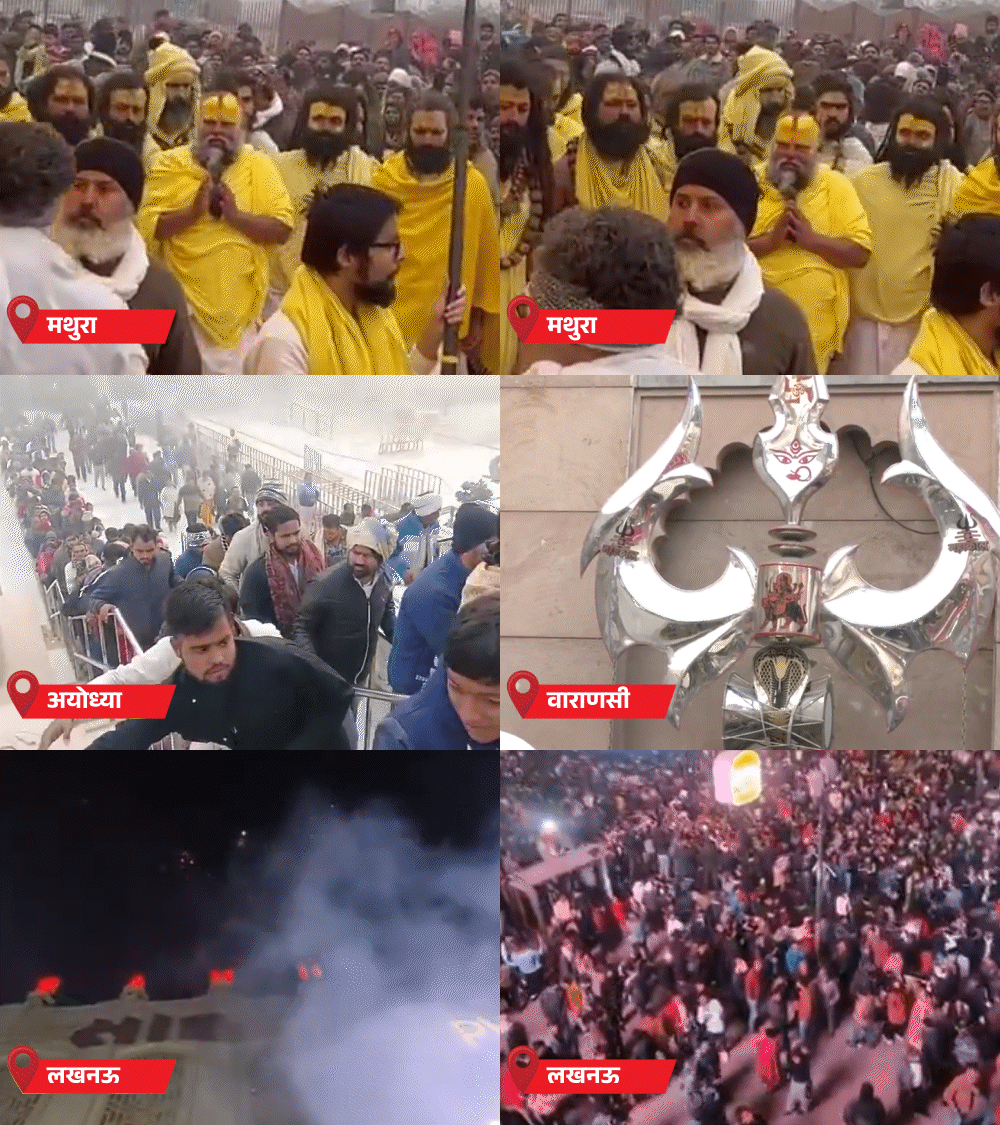
Millions of devotees gathered at India’s most revered pilgrimage centres to begin the new year with religious observance, with younger worshippers playing a prominent role. Local authorities reported that around 25 lakh people visited the temple towns of Ayodhya, Kashi (Varanasi) and Mathura on New Year’s Day, a surge that organisers and officials described as peaceful and orderly.
The wave of visitors included a notable presence of Gen-Z pilgrims, many of whom chose temple darshan as their way of welcoming 2026. Social media footage and reports from the ground showed young people taking part in traditional rituals, offering prayers and sharing short videos of their visits. The participation of younger generations is being seen by cultural commentators as a sign of renewed engagement with heritage sites and religious customs.

India New Year temple visits attract youth and boost local tourism
Officials in Ayodhya, Kashi and Mathura reported heavy but managed footfall throughout the day. Temple administrations coordinated with local police, health services and civil agencies to maintain queues, provide first-aid, and facilitate smooth entry and exit points. Temporary assistance booths and help desks were set up to aid senior citizens and those unfamiliar with the routes.
Local businesses and vendors welcomed the influx, saying the New Year rush provided an early boost to hospitality and retail sectors. Hoteliers, transport operators and food stalls in and around the pilgrimage zones noted higher-than-usual bookings and sales. While religious observance was at the heart of the visits, the economic ripple effects for towns dependent on pilgrimage tourism were immediately visible.
Security measures included increased police patrols, surveillance at key junctions and coordination with disaster management teams. Officials emphasised that advance planning and clear communication with devotees helped prevent bottlenecks and ensured that rituals proceeded without major incidents. Medical teams remained on standby and mobile vaccination and health advisories were circulated in crowded areas.
Religious leaders and temple trustees highlighted the importance of keeping traditions alive while adapting to modern needs. Many temples introduced timed entry slots and digital information boards to manage crowds more effectively. These measures appeared to resonate with younger visitors, who used digital tools to plan visits or share their experiences online.
Observers noted a broader trend of cultural tourism rising among younger Indians, who balance digital lifestyles with periodic engagement in community and faith-based activities. The New Year gatherings offered a rare view of intergenerational participation, where families and groups of friends came together to mark the occasion.
As the celebrations moved into the first week of the year, authorities urged visitors to follow safety guidelines, respect local customs and use official channels for information. Temple administrations said they would review arrangements and public feedback to refine crowd-management for forthcoming festivals.
For now, the blend of tradition and youthful participation provided a distinctly contemporary face to India’s New Year observances, underlining the continuing significance of pilgrimage in social and economic life.
Key Takeaways:
- India New Year temple visits saw significant youth participation, with Gen-Z visible in major pilgrimage centres.
- Authorities reported around 25 lakh devotees across Ayodhya, Kashi and Mathura on New Year’s Day, boosting local tourism.
- Temple administrations and police deployed crowd-management and health measures to ensure safe darshan.