











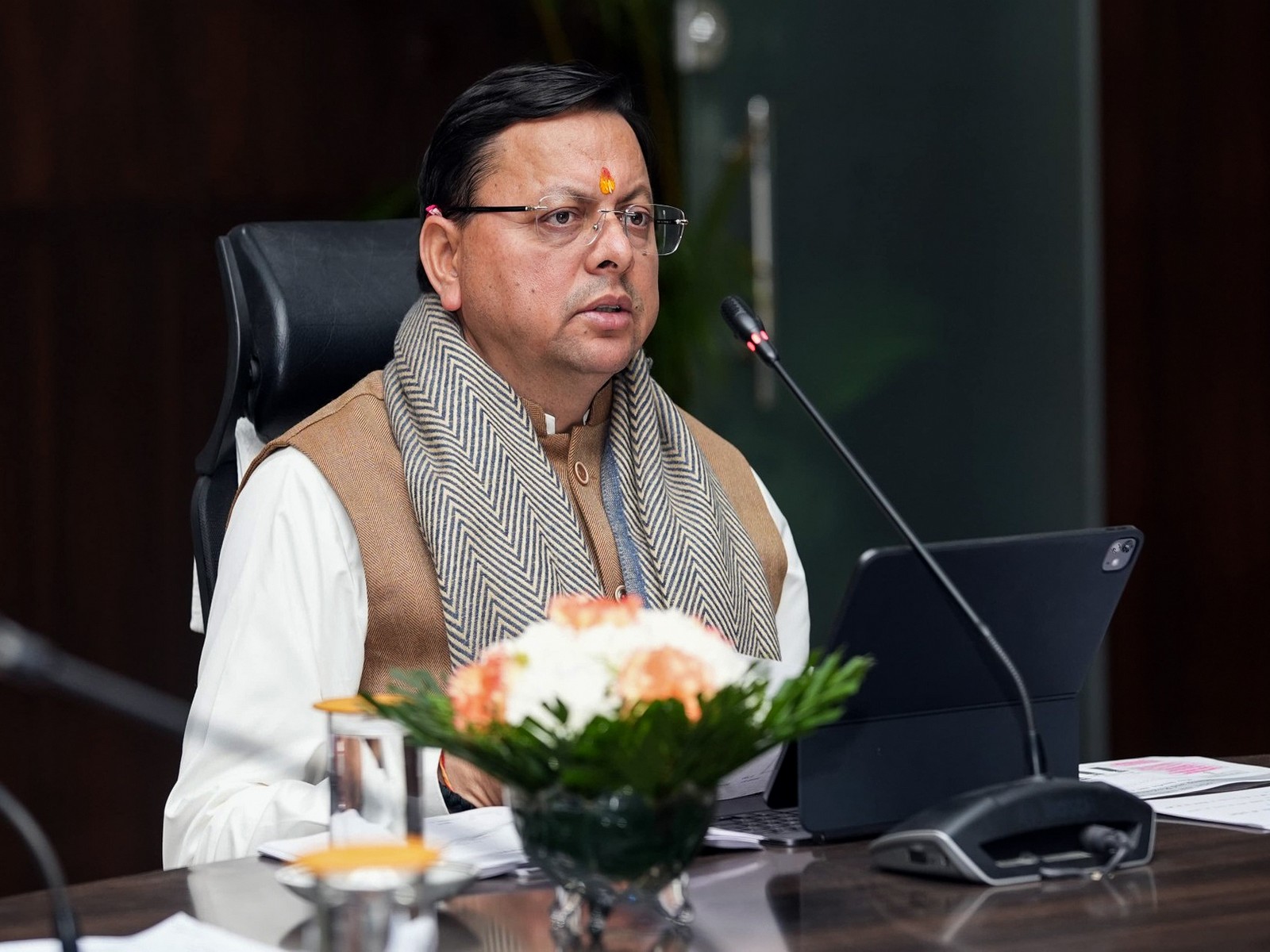
The Uttarakhand Chief Minister’s Office has set out a results-oriented agenda for 2026 that places good governance, economic self-reliance and environmental protection at the centre of the state’s development drive. Guided by the national leadership of Prime Minister Narendra Modi, the administration intends to deliver visible improvements in income and living standards for citizens across the Himalayan state.
Uttarakhand 2026 roadmap priorities and targets
The government has made transparent, accountable and technology-driven governance its foremost objective. E-governance will become mandatory across all departments, with digital file systems, online services and strict timelines for delivery. A declared zero-tolerance policy on corruption will be backed by faster grievance redressal and time-bound public services.
Strengthening connectivity is a parallel priority. Roads, rail and air links will be accelerated to improve access to healthcare, education and emergency services in remote and mountainous areas. Key projects named for prioritisation include completion of the Char Dham All-Weather Road, advancement of the Rishikesh-Karnaprayag rail line, expansion of helicopter services and construction of strategic border roads.

Rural economy and the focus on farmers
Agriculture and horticulture form the backbone of the economic strategy for 2026. The administration aims to boost farmers’ incomes through large-scale polyhouse farming, technical support, enhanced subsidies and strengthened market linkages. The Kiwi Mission is a flagship effort to turn Uttarakhand into a leading kiwi producer, increasing returns from small landholdings and creating export opportunities.
Value chains for apples, pears and walnuts will be reinforced to generate local employment and reduce outward migration. Officials say the combined measures will make hill farming more remunerative and sustainable while building resilience in supply chains.
Tourism, skills and women’s participation
Tourism remains a key economic driver. Authorities plan to make the Char Dham Yatra safer and more technologically enabled while promoting winter, adventure and eco-tourism, along with homestay schemes. The government intends to channel tourism growth into jobs for local youth and women, supported by skills training and technical education.
To boost private-sector employment, policy measures will encourage startups, IT parks and investment in industry. Recruitment processes will be transparent and time-bound. Schemes such as Lakhpati Didi and expanded self-help group initiatives aim to integrate women into the mainstream economy through entrepreneurship and targeted support.
Environment and outcomes expected in 2026
Environmental conservation remains a long-term commitment. The plan includes forest protection, river and water-source rejuvenation, and strengthening of disaster early warning systems. Officials say the integrated approach—combining infrastructure, agriculture, tourism and conservation—should yield visible outcomes in 2026, with benefits reaching citizens across the state.
Chief Minister Pushkar Singh Dhami emphasised empowerment of youth and women as central to the programme. He said the government’s aim is to build a strong, self-reliant Uttarakhand where farmers prosper, young people find opportunity and women are active partners in growth.
With a detailed implementation push and technology-led governance, the state plans to turn its 2026 roadmap into measurable results that improve livelihoods and strengthen resilience across Uttarakhand.
Key Takeaways:
- Uttarakhand 2026 roadmap prioritises transparent, technology-driven governance and mandatory e-governance across departments.
- Agriculture push focuses on polyhouse farming, the Kiwi Mission and high-value hill crops to raise farmers’ incomes and curb migration.
- Transport projects including Char Dham roads, Rishikesh-Karnaprayag rail and expanded heli services will improve access to services in remote areas.
- Tourism, women’s empowerment and environmental conservation are integrated to expand local employment and sustainable growth.








