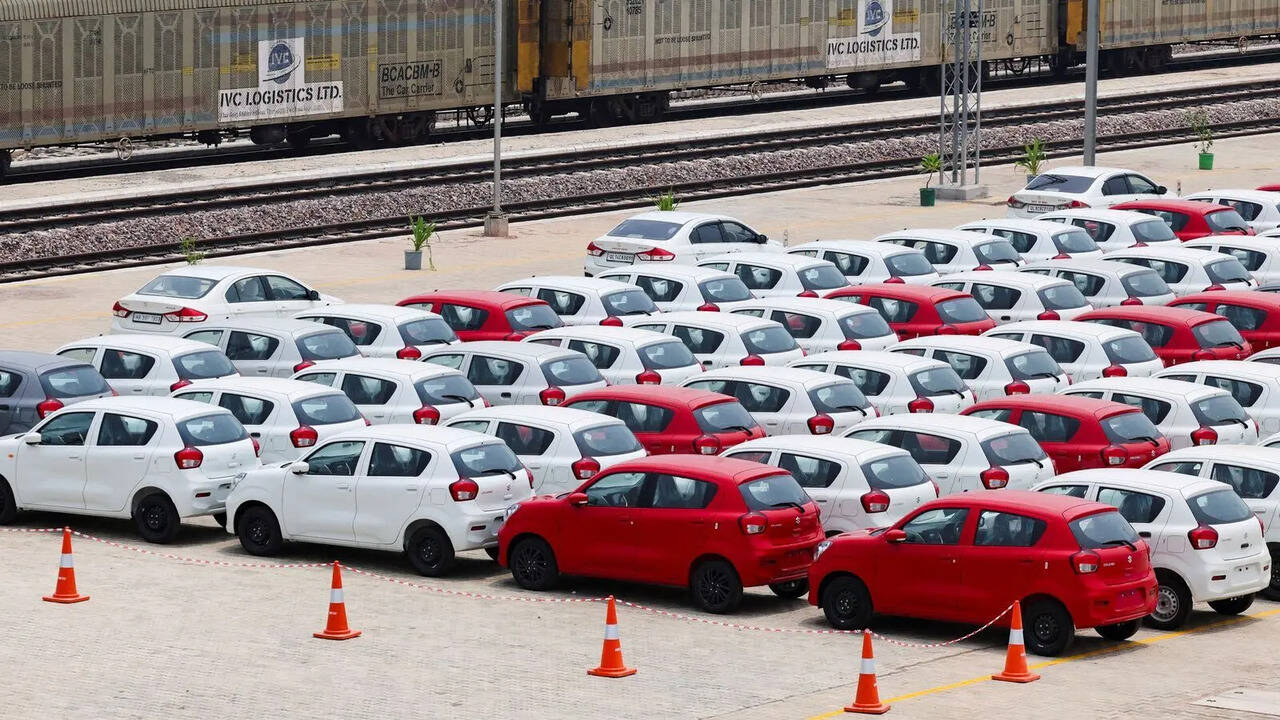
The Indian passenger vehicle market posted record sales in 2025 as tax cuts and a healthy monsoon bolstered demand across small towns and cities. Manufacturers from Maruti Suzuki to Mahindra & Mahindra, Toyota and Kia reported heightened buyer interest, with Tata Motors overtaking Hyundai to take second place in the domestic market.
Indian passenger vehicle sales surge in 2025
Market leader Maruti Suzuki recorded a 2.8% increase in sales to 18.4 lakh vehicles in 2025 and retained its position as India’s top passenger vehicle exporter for a fifth straight year, shipping just under 4 lakh units. Maruti’s senior executive officer for marketing and sales, Partho Banerjee, said demand picked up sharply among first-time buyers and in smaller towns after the government reduced the goods and services tax on certain vehicles.
“Traction among first-time buyers improved, especially for small cars such as the Alto and WagonR,” Banerjee said, adding that the company expected momentum to continue into 2026 if the monsoon remained favourable. He forecast the auto industry could sustain growth of around 6-7% in the coming year under current tailwinds.

Tata Motors climbed ahead of Hyundai to become the country’s second-largest passenger vehicle maker, a notable reshuffle in market positions. The Indian arm of Hyundai recorded a 6.6% decline in sales over the year. Meanwhile, Mahindra & Mahindra closed 2025 with its highest-ever SUV volumes; SUVs now make up 56% of the company’s passenger vehicle sales.
Industry executives credited several policy and macroeconomic factors for the upturn. The government’s GST reductions late in the year reduced the entry cost for many models, while the income tax relief introduced in February helped increase disposable income and purchasing power. A good monsoon also supported rural incomes, which in turn lifted demand for vehicles in smaller towns and semi-urban markets.
Quarterly figures showed a particularly strong fourth quarter (October–December), when the GST cuts came into effect and the monsoon’s positive impact on incomes filtered through to retail demand. The combination of fiscal relief, favourable weather and renewed buyer confidence led to a broader recovery than some analysts had anticipated.
Manufacturers reported that incentives and model refreshes also played a part in sustaining interest. Several brands accelerated promotional activity and launched new variants targeted at value-conscious buyers, helping to convert interest into sales.
Looking ahead, the consensus among industry leaders is cautious optimism. Continued policy support, stable fuel prices and a repeat of good monsoon conditions would underpin further growth in 2026. However, analysts warned that global supply-chain disruptions, changes in interest rates or a dip in rural incomes could temper momentum.
The record performance of 2025 has important implications for India’s automotive sector. Higher domestic volumes and robust export shipments signal stronger manufacturing activity and potential job support across supply chains. For policy makers, the results underline how targeted tax measures and income support can stimulate consumption in capital goods sectors such as automobiles.
As carmakers gear up for 2026, the industry will be watching closely for sustained demand across urban and rural markets and whether policy adjustments continue to favour broader affordability.
Key Takeaways:
- Indian passenger vehicle sales reached record levels in 2025, aided by GST cuts and income-supporting measures.
- Maruti Suzuki led domestic volumes and exports, while Tata Motors rose to become the second-largest player.
- SUVs now account for 56% of sales for Mahindra & Mahindra; GST and income tax relief boosted purchasing power.
- Strong monsoon and stimulus measures point to continued growth in Indian passenger vehicle sales into 2026.