











Key Takeaways:
- São Paulo authorities identified 13 beaches as unsuitable for bathing at the New Year due to pollution risks.
- The warning highlights São Paulo beach water quality risks after heavy rain, when runoff raises faecal coliform levels.
- Officials advise waiting up to 24 hours after heavy rain before entering the sea in affected areas.

São Paulo authorities have declared 13 beaches along the state coastline unsuitable for bathing during the New Year period, issuing a health advisory after tests showed elevated levels of faecal contamination following recent heavy rain.
São Paulo beach water quality advisory after heavy rain
Public-health officials say rainwater acts like a squeegee, sweeping pollutants and impurities from urban areas into coastal waters and increasing the concentration of faecal coliforms in samples. Lamparelli, an official involved in water monitoring, warned that these spikes in contamination can pose a risk to swimmers and recommended a period of caution.
“The rainwater works like a squeegee, carrying dirt and impurities from the whole city to the sea. With that, the amount of faecal coliforms per water sample increases. Our recommendation is that, after a heavy rain, people wait up to 24 hours before entering the sea in the area where it rained,” Lamparelli said.
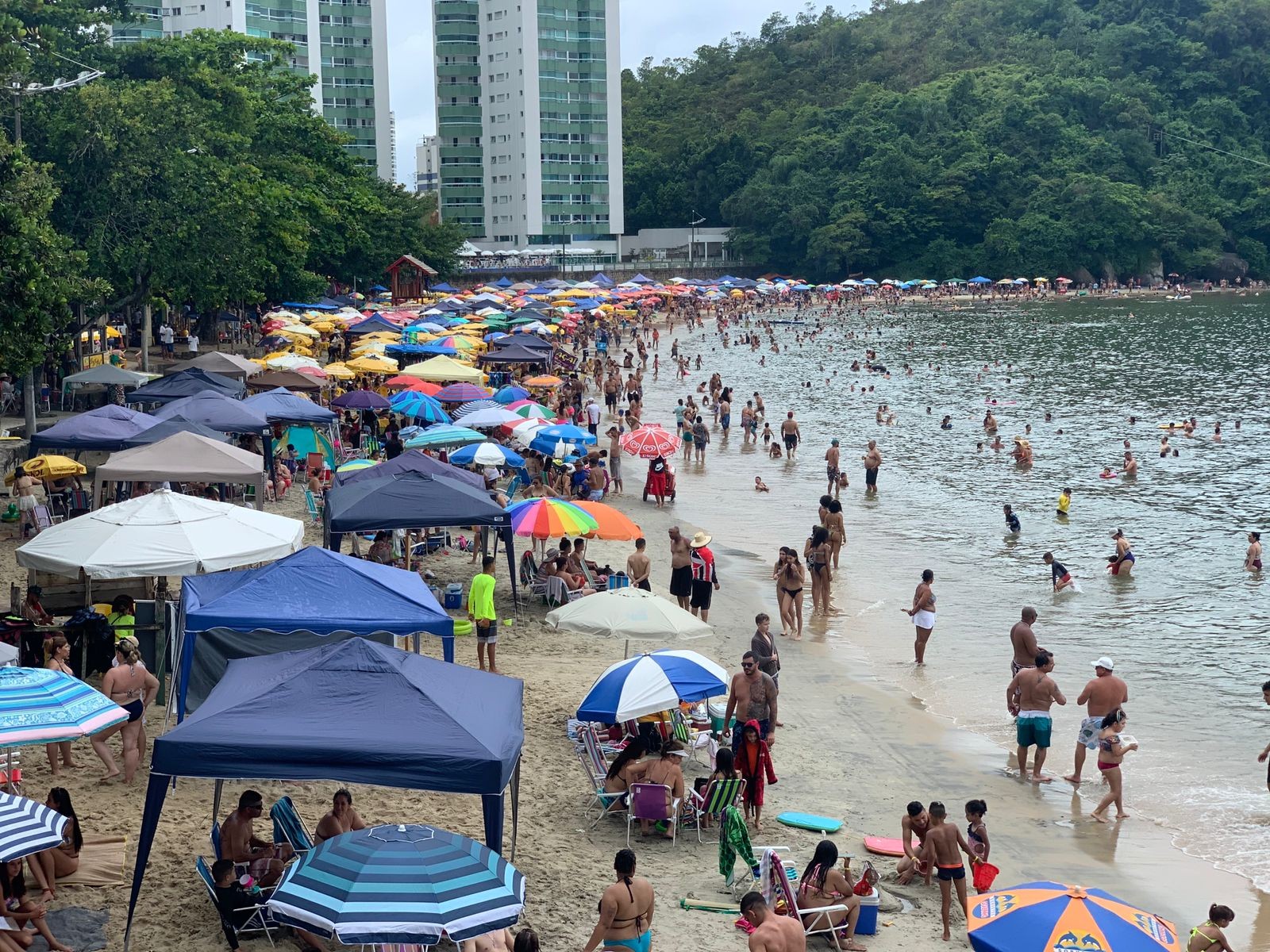
The advisory comes at a time when the coastline generally attracts large numbers of visitors for New Year celebrations, increasing the potential public-health impact. Officials stressed that contamination levels can vary quickly depending on the intensity of rainfall, the condition of drainage systems and the proximity of river mouths or stormwater outlets.
Local environmental monitoring agencies perform routine sampling along the coast, particularly during holiday periods when beach use peaks. When results exceed established safety thresholds, beaches are listed as unsuitable for bathing to protect swimmers from gastro-intestinal and other infections associated with faecal contamination.
Residents and tourists were urged to heed the warnings. Authorities recommended avoiding swimming in discoloured water, steering clear of areas close to storm drains or river outflows during and immediately after storms, and seeking alternative recreational options until water quality returns to safe levels.
While short-term advisories are often linked to storm-driven runoff, long-term improvements require investment in urban drainage, wastewater treatment and pollution control across the watershed. Campaigns to reduce litter and to maintain stormwater infrastructure can help reduce the volume of contaminants reaching the sea after heavy rains.
For those planning New Year activities, authorities advised checking official beach suitability lists maintained by state environmental bodies and municipal health departments. Information is usually updated frequently during holiday periods to reflect the latest sampling results.
Visitors uncertain about a beach’s status should contact local authorities or consult municipal websites for current guidance. Taking simple precautions, such as waiting the recommended 24 hours after heavy rain before bathing, can significantly reduce the risk of illness.
Image: Coastal monitoring teams continue sampling along the São Paulo coast to track water quality before and after holiday crowds arrive. (Image source: original report)








