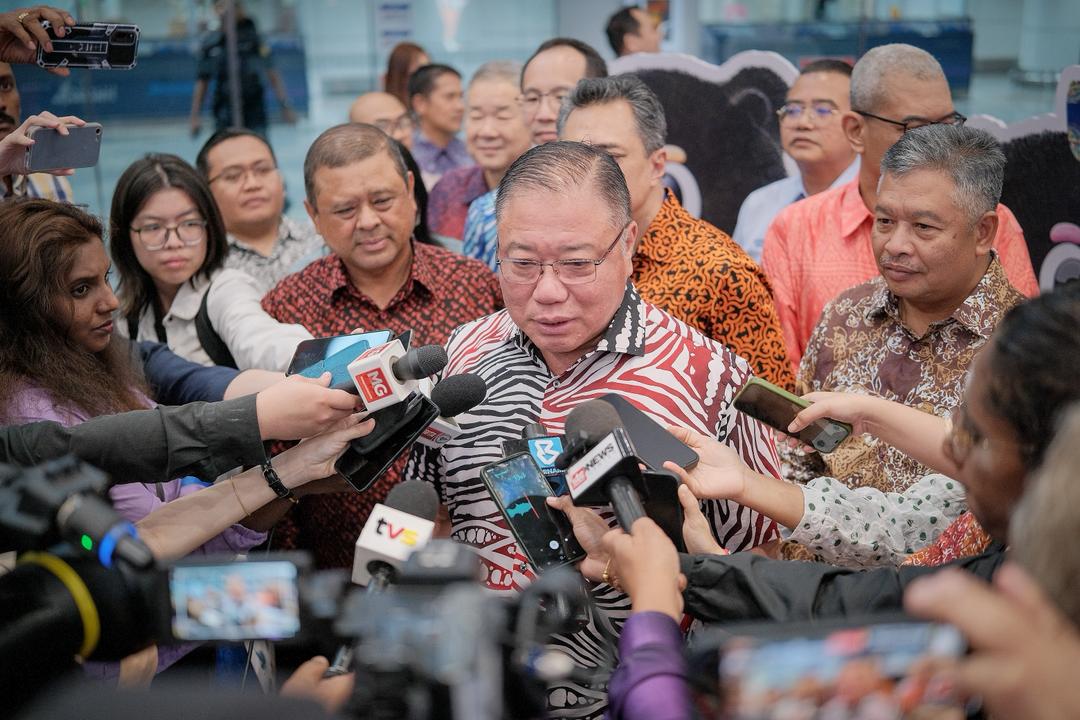
The Malaysian government has launched an intensified national campaign for Visit Malaysia 2026 (VM2026), positioning the year as more than a tourism drive. Officials say VM2026 is intended to showcase Malaysia as a stable, harmonious and confident destination that can compete on the global stage.
Tourism, Arts and Culture Minister Datuk Seri Tiong King Sing said the effort requires co-ordination across ministries, state governments, airlines, industry operators and ordinary citizens. He warned that tourism flourishes only in a secure and inclusive environment and urged political leaders and public figures to exercise care in speech and conduct to avoid creating perceptions that could deter visitors.
Malaysia tourism 2026 will highlight stability and service quality
“Visitors must feel safe and welcomed,” Tiong said, stressing that Malaysia must present a confident image that reflects social harmony. The ministry has already rolled out a promotional strategy that combines digital platforms, conventional media and collaborations with influencers to raise the country’s profile overseas.

Central to the government’s approach is the Malaysia Tourism Quality Assurance (MyTQA) system. MyTQA sets phased service standards across multiple subsectors, including cultural attractions, nature, marine sites, adventure tourism and MICE. The certification scheme is designed to improve the visitor experience and attract higher‑value tourists and long‑haul markets.
“MyTQA provides clear service benchmarks that help the industry level up,” said the minister. The initiative also targets greater visibility and accessibility through partnerships with both local and international carriers, with plans to expand direct routes to key destinations such as Penang, Sabah, Sarawak and Langkawi.
Officials emphasise that government action alone will not determine VM2026’s success. Private sector investment, product innovation and improved service standards in hotels, resorts and tour operations are critical. The ministry has called on hoteliers and tourism entrepreneurs to invest, innovate and elevate service delivery to meet international expectations.
Part of the campaign’s aim is to distribute tourism benefits more evenly. The ministry is prioritising community‑based tourism and homestay programmes so that rural communities can share in growth. Authorities say development must be balanced with environmental protection and the preservation of cultural heritage to maintain the authenticity that international visitors seek.
Tiong underlined the importance of efficient border procedures and digital services at airports to improve the arrival experience. Simplifying immigration processes and enhancing digital facilities are viewed as practical steps to increase convenience for travellers and strengthen Malaysia’s standing as a competitive destination.
Ministry officials also reiterated a plea to avoid politicising issues of race and religion, warning such debates could harm visitor perceptions of safety and undermine Malaysia’s international image. They said the country’s reputation for genuine hospitality remains one of its strongest assets, and the sincerity of local service staff and communities often resonates more powerfully than any advertising campaign.
As VM2026 gains momentum, the government hopes a coordinated public‑private campaign, backed by quality assurance benchmarks and improved connectivity, will translate into sustained arrivals and broader economic benefits for the nation.
Key Takeaways:
- Malaysia tourism 2026 is a national drive emphasising political stability, social harmony and welcoming hospitality to boost international arrivals.
- Quality assurance through MyTQA and partnerships with local and international airlines aim to attract higher-value and long-haul tourists.
- Promotion combines digital campaigns, influencers and overseas outreach while urging caution against politicising race and religion to protect visitor confidence.
- Focus on balanced development will direct benefits to rural communities, homestays and heritage destinations while safeguarding environment and culture.